


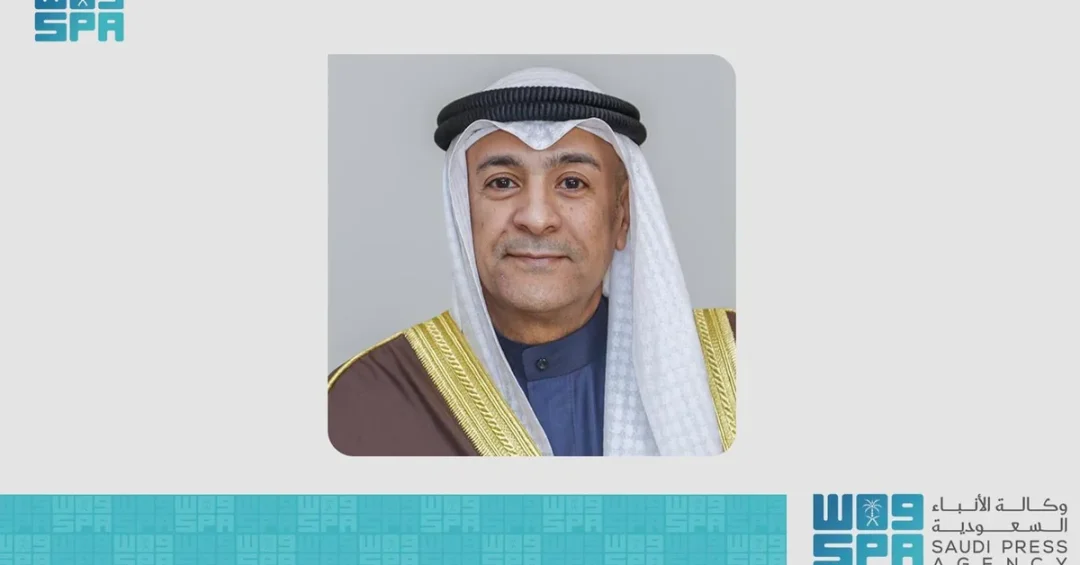
Gulf Cooperation Council (GCC) Secretary-General Jasem Mohamed Al-Budaiwi met with NATO Secretary-General’s Special Representative for the Southern Neighbourhood Javier Colomina on Thursday during the 79th session of the United Nations General Assembly (UNGA 79) in New York, according to the Saudi Press Agency (SPA). The meeting underscored the GCC’s active engagement in global diplomacy and its commitment to addressing regional and international challenges through dialogue and cooperation.
Context and Background
The 79th session of the United Nations General Assembly brings together world leaders to discuss pressing global issues, including security, development, and humanitarian crises. The GCC, a political and economic alliance of six Arab states—Bahrain, Kuwait, Oman, Qatar, Saudi Arabia, and the United Arab Emirates—plays a vital role in regional stability and prosperity. NATO, the North Atlantic Treaty Organization, is a political and military alliance comprising 32 member countries. The meeting between Al-Budaiwi and Colomina reflects the GCC’s ongoing efforts to build bridges with international organizations and to enhance cooperation on matters of mutual interest.
Key Details
During the meeting, Secretary-General Al-Budaiwi provided an overview of the GCC’s position on various regional and global matters. He addressed the current developments in Gaza and Lebanon, highlighting the importance of de-escalation and the need for sustainable solutions to ongoing conflicts. The discussions also focused on strategies to strengthen ties between the GCC General Secretariat and the NATO Secretariat. Both sides explored avenues for enhanced dialogue, information sharing, and joint efforts to promote security and stability in the region and beyond.
Implications and Impact
The meeting between GCC and NATO officials carries significant implications for regional and international security. By engaging with NATO, the GCC demonstrates its proactive approach to addressing shared challenges such as terrorism, maritime security, and cyber threats. This dialogue also reinforces the GCC’s role as a reliable partner in global efforts to maintain peace and stability. For NATO, cooperation with the GCC offers valuable insights into regional dynamics and opens channels for collaboration on issues of common concern. The meeting underscores the importance of multilateralism and the potential for enhanced GCC-NATO relations to contribute to a more secure and prosperous world.
Vision 2030 Alignment
Saudi Arabia, under the leadership of the Custodian of the Two Holy Mosques King Salman bin Abdulaziz Al Saud and Crown Prince Mohammed bin Salman, is a key member of the GCC and a strong advocate for international cooperation. The Kingdom’s Vision 2030 reform plan emphasizes the importance of global engagement, economic diversification, and security partnerships. The GCC Secretary-General’s meeting with the NATO representative aligns with Vision 2030’s objectives of strengthening Saudi Arabia’s international standing and contributing to regional stability. Through such diplomatic efforts, the Kingdom continues to play a pivotal role in fostering peace, security, and prosperity both regionally and globally.
20 Questions
Q1. Who met during the 79th session of the United Nations General Assembly?
A1. GCC Secretary-General Jasem Mohamed Al-Budaiwi and NATO Secretary-General’s Special Representative for the Southern Neighbourhood Javier Colomina met during UNGA 79.
Q2. What is the GCC?
A2. The Gulf Cooperation Council is a political and economic alliance of six Arab states: Bahrain, Kuwait, Oman, Qatar, Saudi Arabia, and the United Arab Emirates.
Q3. What is NATO?
A3. NATO, the North Atlantic Treaty Organization, is a political and military alliance of 32 member countries from North America and Europe.
Q4. Where did the meeting take place?
A4. The meeting took place in New York during the 79th session of the United Nations General Assembly.
Q5. What did Secretary-General Al-Budaiwi provide during the meeting?
A5. He provided an overview of the GCC’s position on various regional and global matters, including developments in Gaza and Lebanon.
Q6. What was discussed regarding Gaza and Lebanon?
A6. The discussions centered on the current developments in Gaza and Lebanon, with a focus on de-escalation and the need for sustainable solutions.
Q7. What strategies were discussed between the GCC and NATO?
A7. Strategies to strengthen ties between the GCC General Secretariat and the NATO Secretariat were discussed, including enhanced dialogue and information sharing.
Q8. Why is this meeting significant?
A8. It reflects the GCC’s active engagement in global diplomacy and its commitment to addressing regional and international challenges through cooperation with NATO.
Q9. What are the implications for regional security?
A9. The meeting promotes dialogue on shared security challenges such as terrorism, maritime security, and cyber threats, contributing to stability in the region.
Q10. How does this meeting align with Saudi Arabia’s Vision 2030?
A10. It aligns with Vision 2030’s emphasis on global engagement and security partnerships, enhancing Saudi Arabia’s international standing.
Q11. What is the role of the GCC in regional stability?
A11. The GCC plays a vital role in promoting political and economic stability among its member states and in the broader Middle East region.
Q12. Who is Javier Colomina?
A12. Javier Colomina is the NATO Secretary-General’s Special Representative for the Southern Neighbourhood, focusing on NATO’s relations with countries in the region.
Q13. Who is Jasem Mohamed Al-Budaiwi?
A13. Jasem Mohamed Al-Budaiwi is the Secretary-General of the Gulf Cooperation Council, representing the interests of its member states.
Q14. What is UNGA 79?
A14. UNGA 79 is the 79th session of the United Nations General Assembly, a major annual gathering of world leaders to discuss global issues.
Q15. What are the shared goals of the GCC and NATO?
A15. Both organizations aim to promote security, stability, and cooperation, addressing common threats and fostering international peace.
Q16. How might this meeting affect GCC-NATO relations?
A16. It could lead to strengthened cooperation, increased dialogue, and joint initiatives on security and defense matters.
Q17. What is the Southern Neighbourhood in NATO’s context?
A17. NATO’s Southern Neighbourhood refers to regions in the Middle East and North Africa, where NATO seeks to build partnerships and enhance security.
Q18. What is the significance of the GCC’s engagement with NATO?
A18. It demonstrates the GCC’s proactive approach to international diplomacy and its willingness to collaborate on global security issues.
Q19. How does this meeting reflect Saudi Arabia’s foreign policy?
A19. It reflects Saudi Arabia’s commitment to multilateralism and its active role in promoting regional and global stability through alliances.
Q20. What can be expected from future GCC-NATO cooperation?
A20. Future cooperation may include joint efforts on counterterrorism, maritime security, and capacity building, contributing to a safer world.
Reader Feedback
We value your thoughts. Please share your feedback on this article.
Your feedback helps us improve our coverage.