


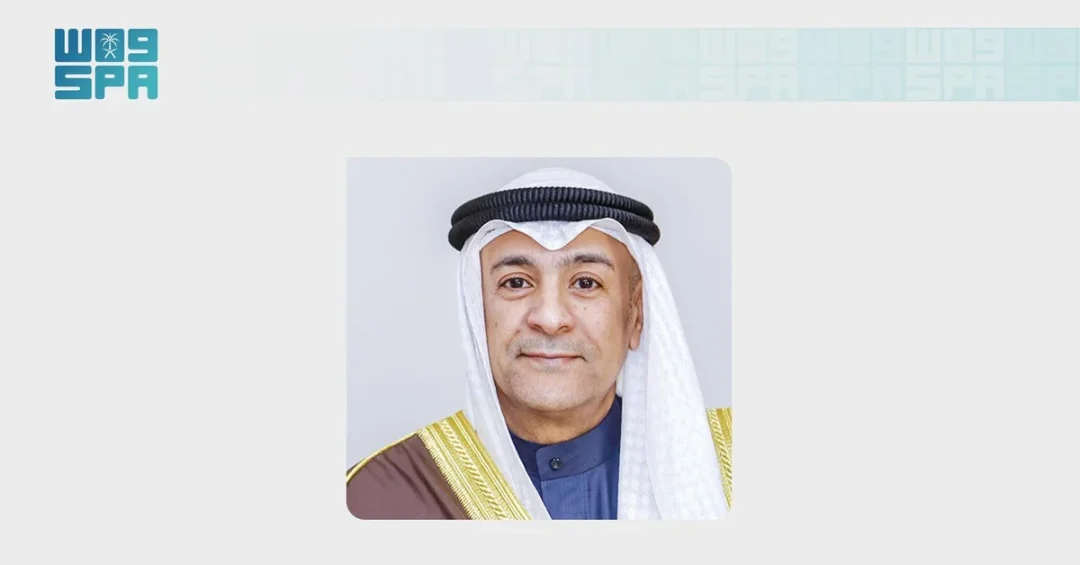
Gulf Cooperation Council (GCC) Secretary-General Jasem Albudaiwi met with the Minister of Foreign Affairs of the Republic of Türkiye, Hakan Fidan, in Istanbul on October 23, 2026, on the sidelines of the 9th Istanbul Mediation Conference, according to the Saudi Press Agency (SPA). The high-level encounter, held under the conference theme “Partnerships and New Perspectives for Peace: Mediation in a Changing World,” brought together two key actors in regional diplomacy at a moment when the Middle East and its wider neighborhood are navigating a complex period of transition and opportunity. The two officials reviewed the state of GCC-Turkish relations and explored practical avenues to broaden cooperation across multiple fields, reflecting a partnership that has deepened steadily in recent years to serve mutual interests.
The meeting took place against the backdrop of Saudi Arabia’s sustained emphasis on dialogue, de-escalation, and economic integration as instruments of stability. As the largest economy in the Gulf and a founding member of the GCC, the Kingdom has consistently supported institutional engagement with Türkiye, a fellow G20 economy and a pivotal bridge between Europe and Asia. The Istanbul setting itself carried symbolic weight: a city that has historically connected civilizations hosted discussions about how mediation and partnership can address today’s most pressing regional challenges.
Context and Background
How did the relationship between the Gulf Cooperation Council and Türkiye evolve into the strategic dialogue it represents today? The GCC-Türkiye relationship has matured considerably over the past decade, moving from a primarily transactional trade dynamic toward a structured political and economic partnership. The GCC, headquartered in Riyadh, comprises six member states — Saudi Arabia, the United Arab Emirates, Qatar, Kuwait, Bahrain, and Oman — whose combined economic weight makes the bloc a significant global actor. Türkiye, meanwhile, has pursued a diversified foreign policy that places the Gulf at the center of its trade, investment, and security calculations.
The Strategic Dialogue framework between the GCC and Türkiye has provided a formal channel for this engagement, with joint ministerial meetings serving as milestones that translate political goodwill into concrete cooperation. Both sides have expressed anticipation for convening the seventh Joint Ministerial Meeting in the coming period, a gathering expected to advance joint initiatives and open new horizons for collaboration. For Saudi Arabia, whose Vision 2030 reform agenda prioritizes international partnerships and non-oil economic growth, Türkiye represents a natural partner in sectors ranging from construction and logistics to tourism and technology.
The timing of the Istanbul meeting is significant. Regional developments — from reconstruction efforts to diplomatic realignments — have created both risks and openings. By exchanging views on efforts to de-escalate tensions and bolster regional security and stability, Albudaiwi and Fidan signaled that the GCC and Türkiye see eye to eye on the value of calm, predictability, and dialogue. Isn’t it notable that two major regional powers are choosing mediation and partnership over confrontation?
Key Details of the Istanbul Meeting
According to the Saudi Press Agency, the two sides reviewed GCC-Turkish relations and explored avenues to broaden cooperation across various fields. The discussion reflected the growing partnership between the GCC and Türkiye and its role in serving mutual interests. The officials also addressed the latest regional developments, exchanging perspectives on de-escalation efforts and the shared objective of strengthening regional security and stability. The meeting was held on the sidelines of the 9th Istanbul Mediation Conference, an international forum that convenes diplomats, scholars, and practitioners to discuss the evolving practice of mediation in a changing world.
Jasem Albudaiwi, who has served as GCC Secretary-General since 2023, has made outreach to regional and global partners a hallmark of his tenure, emphasizing that the Gulf’s security and prosperity are inseparable from its neighborhood. Hakan Fidan, Türkiye’s Minister of Foreign Affairs, has similarly prioritized active diplomacy, positioning Türkiye as a mediator and bridge-builder in conflicts affecting the region. Their encounter in Istanbul was not merely ceremonial; it was a working session that touched on the operational details of cooperation and the political calendar ahead.
The anticipated seventh Joint Ministerial Meeting of the Strategic Dialogue will be a key test of how far the relationship can institutionalize. Such meetings typically produce agreements or memoranda of understanding in areas such as trade facilitation, investment protection, energy cooperation, and cultural exchange. For the GCC, engaging Türkiye as a bloc amplifies the collective voice of its member states, while for Türkiye, the GCC represents a market of more than 60 million people and a source of capital and energy security.
International and Regional Impact
What does closer GCC-Türkiye cooperation mean for the wider region? The meeting in Istanbul sends a signal that key regional players are investing in diplomacy at a time when global attention is often focused on crises elsewhere. For Europe, which relies on both Gulf energy and Turkish transit routes, a stable and cooperative eastern Mediterranean and Middle East is a strategic asset. For Asia, including China and India, the alignment of Gulf capital with Turkish industrial capacity could open new corridors for trade and investment under frameworks such as the Belt and Road Initiative and the India-Middle East-Europe Economic Corridor.
The emphasis on de-escalation is particularly consequential. In recent years, the region has witnessed a series of diplomatic breakthroughs that have reduced tensions and reopened channels of communication. Saudi Arabia has been at the forefront of these efforts, hosting talks and supporting inclusive dialogue. Türkiye’s participation in mediation forums and its willingness to work with Gulf states complement this trend. The two sides’ shared focus on security and stability suggests that any future challenges will be addressed through consultation rather than unilateral action — a principle that underpins the GCC’s approach to regional affairs.
Economic and Strategic Significance
Why should international observers pay attention to this meeting beyond its diplomatic symbolism? The economic dimension is substantial. GCC-Türkiye trade has grown steadily, with Turkish construction firms active in Gulf megaprojects, Gulf sovereign wealth funds investing in Turkish assets, and tourism flows expanding in both directions. Saudi Arabia’s Public Investment Fund (PIF) and its peers across the Gulf have shown appetite for Turkish equities, real estate, and technology ventures. In turn, Turkish companies bring engineering expertise, manufacturing capability, and a strategic location that connects Europe, the Middle East, and Central Asia.
Cooperation in energy is another pillar. Türkiye serves as a critical transit hub for oil and natural gas pipelines, while Gulf states are reliable suppliers to global markets. As Europe diversifies its energy sources, the Gulf-Türkiye energy corridor becomes more valuable. Beyond hydrocarbons, there is growing collaboration in renewable energy, with Turkish firms involved in solar and wind projects and Gulf investors seeking green hydrogen opportunities. These complementarities align with Saudi Arabia’s Vision 2030 goal of becoming a diversified, sustainable economy and a global investment powerhouse.
Security cooperation also carries strategic weight. Both the GCC and Türkiye have an interest in combating terrorism, securing maritime routes, and stabilizing conflict-affected areas. The Istanbul Mediation Conference provided a platform to discuss how mediation can prevent conflicts from escalating and how partnerships can support post-conflict reconstruction. For Saudi Arabia, which has consistently advocated for peaceful resolution of disputes, this approach reinforces its role as a responsible global stakeholder.
Vision 2030 Alignment
How does the GCC-Türkiye partnership fit into Saudi Arabia’s long-term vision? Vision 2030, launched under the leadership of Crown Prince Mohammed bin Salman, seeks to transform the Kingdom into a hub for trade, investment, and tourism connecting three continents. Strengthening ties with Türkiye — a nation that shares historical, cultural, and economic bonds with the Gulf — directly supports this ambition. The Kingdom’s strategic location, combined with Türkiye’s logistical networks, can create new supply chains and investment flows that benefit both sides.
Moreover, the meeting underscores Saudi Arabia’s commitment to multilateralism and its role within the GCC. By working through the GCC, the Kingdom helps present a unified Gulf position that attracts partners like Türkiye and amplifies the region’s voice on global issues. The anticipated seventh Joint Ministerial Meeting will be an opportunity to translate the Istanbul discussions into tangible outcomes, from trade agreements to joint ventures. As Saudi Arabia continues its journey toward a diversified economy and a more integrated region, partnerships built on mutual respect and shared goals will remain essential. The path ahead is one of cooperation, and the Istanbul meeting is another step along that road.
20 Questions
Q1. Who met in Istanbul on October 23, 2026?
A1. GCC Secretary-General Jasem Albudaiwi met with Turkish Foreign Minister Hakan Fidan on the sidelines of the 9th Istanbul Mediation Conference, according to the Saudi Press Agency.
Q2. What was the theme of the 9th Istanbul Mediation Conference?
A2. The conference was held under the theme “Partnerships and New Perspectives for Peace: Mediation in a Changing World,” focusing on evolving mediation practices.
Q3. What did the two officials discuss regarding GCC-Turkish relations?
A3. They reviewed bilateral relations and explored avenues to broaden cooperation across various fields, reflecting the growing partnership between the GCC and Türkiye.
Q4. What upcoming meeting did both sides express anticipation for?
A4. They looked forward to the seventh Joint Ministerial Meeting of the Strategic Dialogue between the GCC and Türkiye in the coming period.
Q5. What regional issues were addressed during the meeting?
A5. The officials exchanged views on the latest regional developments, focusing on efforts to de-escalate tensions and bolster regional security and stability.
Q6. Which organization does Jasem Albudaiwi lead?
A6. Jasem Albudaiwi is the Secretary-General of the Gulf Cooperation Council, which comprises Saudi Arabia, UAE, Qatar, Kuwait, Bahrain, and Oman.
Q7. Who is Hakan Fidan?
A7. Hakan Fidan is the Minister of Foreign Affairs of the Republic of Türkiye, responsible for Turkish diplomacy and international engagements.
Q8. Why is the GCC-Türkiye relationship important?
A8. It serves mutual interests, promotes economic cooperation, and enhances regional stability through structured dialogue and joint initiatives.
Q9. What role does Saudi Arabia play in the GCC?
A9. Saudi Arabia is a founding member and the largest economy in the GCC, often leading diplomatic and economic initiatives within the bloc.
Q10. How does this meeting align with Saudi Vision 2030?
A10. It supports Vision 2030 by fostering international partnerships, enhancing trade and investment, and promoting regional stability, all key goals of the reform agenda.
Q11. What is the Strategic Dialogue between the GCC and Türkiye?
A11. It is a formal framework for political and economic cooperation, with joint ministerial meetings that advance joint initiatives and open new cooperation horizons.
Q12. When is the seventh Joint Ministerial Meeting expected?
A12. It is expected to be convened in the coming period, as expressed by both officials during the Istanbul meeting.
Q13. What economic benefits could result from closer GCC-Türkiye ties?
A13. Increased trade, investment flows, joint ventures in construction, energy, technology, and tourism, benefiting both regions’ economies.
Q14. How does Türkiye contribute to regional mediation?
A14. Türkiye actively participates in mediation efforts and hosts forums like the Istanbul Mediation Conference to promote peaceful resolution of conflicts.
Q15. What is the significance of the Istanbul setting for this meeting?
A15. Istanbul historically bridges Europe and Asia, symbolizing the connection between the Gulf and Türkiye and underscoring the importance of cross-regional dialogue.
Q16. Did the meeting produce any agreements?
A16. The source material does not mention specific agreements, but the officials discussed broadening cooperation and preparing for the upcoming ministerial meeting.
Q17. How does the GCC view Türkiye’s role in the region?
A17. The GCC views Türkiye as a key partner for stability, economic cooperation, and diplomatic engagement, as reflected in the strategic dialogue.
Q18. What are the shared goals of the GCC and Türkiye?
A18. Shared goals include regional security, de-escalation of tensions, economic prosperity, and enhanced cooperation across various sectors.
Q19. What does the meeting indicate about Saudi Arabia’s foreign policy?
A19. It indicates Saudi Arabia’s continued commitment to multilateralism, dialogue, and building partnerships that support Vision 2030 and regional stability.
Q20. What are the next steps after this meeting?
A20. The next step is the seventh Joint Ministerial Meeting, where both sides will aim to translate discussions into concrete initiatives and agreements.
Reader Feedback
We value your thoughts. Please share your feedback on this article.
Your feedback helps us improve our coverage.