


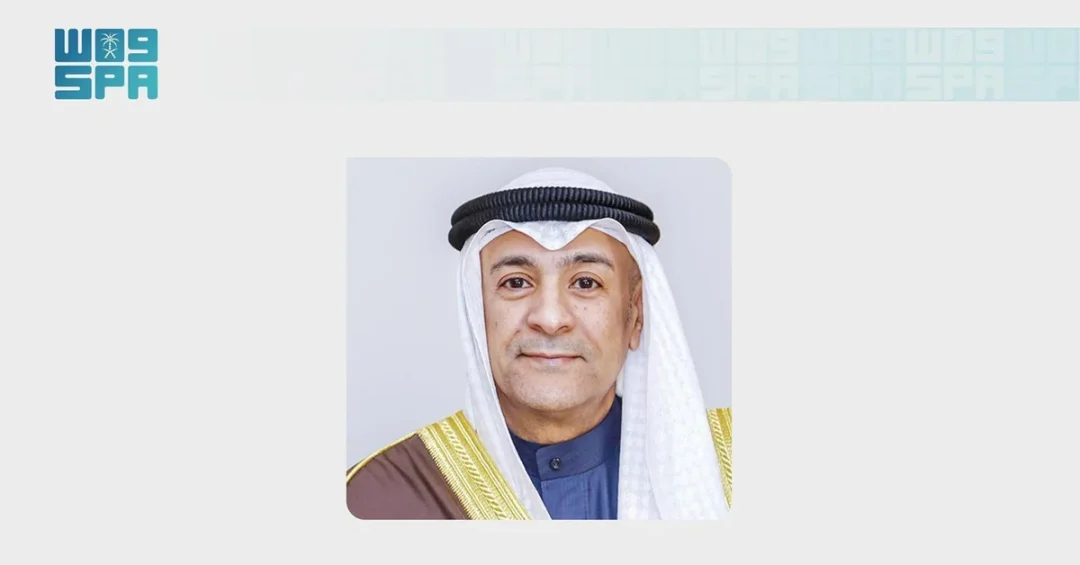
Manama, October 7, 2026 — The Secretary-General of the Gulf Cooperation Council (GCC), Jasem Mohamed Albudaiwi, affirmed that small and medium-sized enterprises (SMEs) are a driving force behind the national visions of GCC member states and a cornerstone of regional economic integration. Speaking at the Sixth Consultative Meeting between the Ministers of Commerce and Industry of the GCC and Gulf Entrepreneurs, held in Manama and chaired by Bahrain’s Minister of Industry and Commerce, Abdulla bin Adel Fakhro, Albudaiwi underscored the vital role of SMEs in advancing shared Gulf prosperity.
Context and Background
The consultative meeting convened in Manama, bringing together commerce and industry ministers from all GCC member states alongside a diverse group of Gulf entrepreneurs. The gathering serves as a critical platform to identify challenges facing the SME sector, devise practical solutions, and reinforce the directives of GCC leaders to prioritize SMEs as engines of economic diversification and job creation.
According to the Saudi Press Agency (SPA), the meeting reflects a sustained commitment to fostering an enabling environment where small businesses can thrive and contribute meaningfully to economic integration across the region.
Key Details
In his address, Secretary-General Albudaiwi highlighted that the consultative meeting reaffirms the importance of public-private partnerships, particularly with SMEs. He emphasized the commitment to establishing a continuous dialogue platform between policymakers, decision-makers, and entrepreneurs. This engagement aims to accelerate economic growth across GCC states while addressing regional and international economic challenges confronting the Gulf private sector.
Albudaiwi also pointed out that the meeting serves to overcome obstacles facing SMEs by crafting appropriate solutions guided by the vision of GCC leaders. The presence of ministers and entrepreneurs together underscores a collaborative approach to empowering small businesses and enhancing their role in achieving economic integration among member states.
Implications and Impact
The outcomes of this meeting are expected to bolster the SME ecosystem across the Gulf, facilitating access to funding, markets, and innovation. Strengthened public-private dialogue will help align policies with the needs of entrepreneurs, driving sustainable growth and resilience. For Saudi Arabia, this aligns with the Kingdom’s own efforts to diversify its economy and support SMEs as part of Vision 2030.
Regionally, the GCC’s unified approach to SME empowerment signals a maturing economic bloc capable of adapting to global challenges. It also reinforces the Gulf’s attractiveness as a destination for investment and entrepreneurship, contributing to long-term stability and prosperity.
Vision 2030 Alignment
Saudi Arabia’s Vision 2030 places SMEs at the heart of its economic transformation, targeting an increase in their contribution to GDP from 20% to 35% by 2030. The GCC’s collective focus on SMEs complements the Kingdom’s national strategies, such as the SMEs Support Fund and Monsha’at, which empower entrepreneurs and foster innovation. As the GCC drives regional integration, Saudi Arabia remains a key player in advancing shared goals and ensuring a prosperous future for all member states.
20 Questions
Q1. What did the GCC Secretary-General say about SMEs?
A1. Jasem Mohamed Albudaiwi stated that SMEs play a pivotal role in achieving the national visions of GCC member states and advancing joint Gulf action.
Q2. Where was the Sixth Consultative Meeting held?
A2. The meeting was held in Manama, Bahrain, on October 7, 2026.
Q3. Who chaired the meeting?
A3. Bahrain’s Minister of Industry and Commerce, Abdulla bin Adel Fakhro, chaired the meeting as Chairman of the current session.
Q4. Who attended the meeting?
A4. The meeting was attended by commerce and industry ministers from GCC member states and a group of Gulf entrepreneurs.
Q5. What is the purpose of the consultative meeting?
A5. It aims to identify challenges facing SMEs, work to overcome them, and devise solutions guided by GCC leaders’ directives.
Q6. Why are SMEs important for GCC economies?
A6. SMEs are crucial for economic diversification, job creation, and achieving the national visions of GCC member states.
Q7. What did Albudaiwi say about public-private partnerships?
A7. He emphasized their importance, particularly with SMEs, and the commitment to establishing a dialogue platform between policymakers and entrepreneurs.
Q8. How does the meeting support economic growth?
A8. By facilitating dialogue and addressing challenges, the meeting helps accelerate economic growth across GCC states.
Q9. What role does Saudi Arabia play in this context?
A9. Saudi Arabia is a key advocate for SMEs, aligning with Vision 2030 goals to increase their GDP contribution.
Q10. What are the national visions of GCC member states?
A10. These are long-term economic diversification plans, such as Saudi Vision 2030, aimed at reducing oil dependence and fostering sustainable growth.
Q11. How does the GCC support SMEs?
A11. Through consultative meetings, policy directives, and fostering an enabling environment for growth and integration.
Q12. What challenges do SMEs face in the Gulf?
A12. Challenges include access to finance, regulatory hurdles, and market competition, which the meeting seeks to address.
Q13. What is the significance of the dialogue platform?
A13. It connects policymakers with entrepreneurs to ensure policies are responsive to private sector needs.
Q14. How does this meeting align with Vision 2030?
A14. It complements Vision 2030 by promoting SME growth, economic diversification, and public-private collaboration.
Q15. What are the expected outcomes of the meeting?
A15. Enhanced support for SMEs, improved policies, and stronger regional economic integration.
Q16. Who is Jasem Mohamed Albudaiwi?
A16. He is the Secretary-General of the Gulf Cooperation Council, advocating for regional cooperation and economic development.
Q17. What is the GCC?
A17. The Gulf Cooperation Council is a regional intergovernmental union comprising six Arab states of the Persian Gulf.
Q18. How do SMEs contribute to economic integration?
A18. They enhance cross-border trade, foster innovation, and create jobs, driving closer economic ties among member states.
Q19. What is Saudi Arabia’s target for SME GDP contribution?
A19. Saudi Arabia aims to raise the SME sector’s contribution to GDP from 20% to 35% by 2030.
Q20. What is Monsha’at?
A20. Monsha’at is Saudi Arabia’s Small and Medium Enterprises General Authority, dedicated to supporting and empowering SMEs.
Reader Feedback
We value your thoughts. Please share your feedback on this article.
Your feedback helps us improve our coverage.