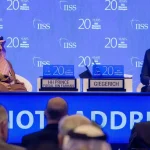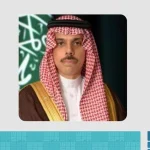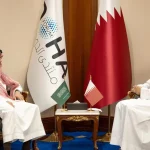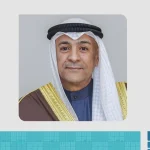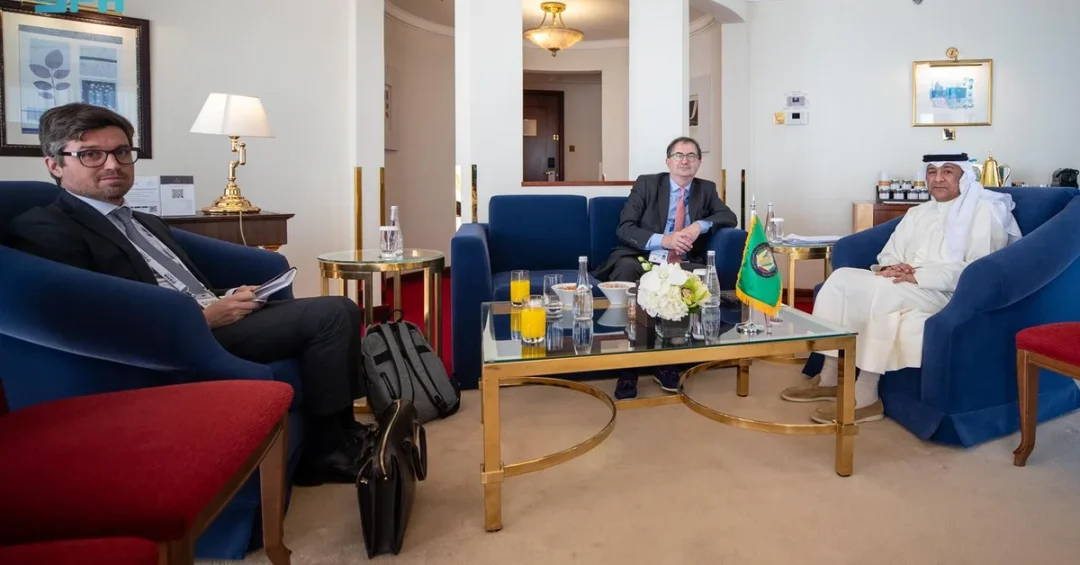
Secretary General of the Gulf Cooperation Council (GCC) Jasem Mohamed Albudaiwi received Swiss Special Envoy to the Middle East and North Africa Ambassador Wolfgang Amadeus Brülhart in Doha on December 7, 2024, on the sidelines of the 22nd Doha Forum, according to the Saudi Press Agency (SPA). The meeting brought together two senior diplomatic figures for discussions on regional and international developments and on ways to strengthen relations between the GCC and Switzerland in areas of mutual interest. The encounter reflects the continuing expansion of the GCC’s diplomatic outreach beyond its immediate neighborhood and its growing engagement with European partners on matters of shared concern.
Held against the backdrop of one of the region’s most prominent annual gatherings of policymakers, the Albudaiwi–Brülhart meeting underscores how multilateral forums increasingly serve as platforms for bilateral diplomacy. The Doha Forum, hosted by the State of Qatar, draws heads of state, foreign ministers, envoys and analysts from around the world, and its margins have become a productive setting for quiet, substantive exchanges. For the GCC, whose six member states — the Kingdom of Saudi Arabia, the United Arab Emirates, Qatar, Kuwait, Bahrain and Oman — collectively represent one of the world’s most strategically significant economic blocs, such engagements are part of a deliberate strategy of broadening partnerships. For Switzerland, the meeting signals a sustained interest in understanding and cooperating with a region whose stability matters to global trade, energy markets and humanitarian corridors. The SPA report confirms the meeting took place and identifies its participants and general themes, while the broader significance lies in what sustained GCC–Swiss dialogue can enable in the months and years ahead.
Context and Background
Why does a meeting between a Gulf bloc and a Swiss envoy matter to readers far from both Riyadh and Bern? The GCC, established in 1981, has evolved from a regional coordination body into a global interlocutor on energy, security, trade and investment. Its Secretary General, Jasem Mohamed Albudaiwi, a seasoned Kuwaiti diplomat who assumed the role in 2023, has prioritized deepening the Council’s international partnerships. Switzerland, meanwhile, has long maintained a foreign policy tradition of neutrality, mediation and humanitarian engagement, and its appointment of a Special Envoy for the Middle East and North Africa reflects a recognition that the region’s trajectory affects European and global stability. Ambassador Wolfgang Amadeus Brülhart brings extensive diplomatic experience to a portfolio focused on dialogue and conflict resolution.
The Doha Forum, now in its 22nd edition, has become a fixture on the international diplomatic calendar. It convenes decision-makers to discuss governance, security, economic development and humanitarian affairs. For officials like Albudaiwi and Brülhart, the forum’s margins offer a chance to conduct diplomacy away from the formal constraints of scheduled summits. The SPA report notes that the two officials discussed regional and international developments and explored ways to enhance GCC–Swiss relations in their countries’ mutual interest. That framing is significant: it indicates a relationship that is not merely ceremonial but oriented toward practical cooperation. The GCC’s engagement with European partners has expanded in recent years across trade, investment, climate, health and cultural exchange, and Switzerland’s combination of financial expertise, humanitarian credibility and diplomatic reach makes it a natural interlocutor.
Key Details
The SPA report identifies the participants, the location and the date with precision: Secretary General Jasem Mohamed Albudaiwi received Ambassador Wolfgang Amadeus Brülhart in Doha on December 7, 2024, on the sidelines of the 22nd Doha Forum. It states that the two officials discussed regional and international developments and explored ways to enhance GCC–Swiss relations in their countries’ mutual interest. These elements — who met, where, when and on what broad themes — form the verified core of the story as released through official Saudi channels. The report does not disclose specific agreements, timetables or joint initiatives, and this article does not speculate beyond what the official account provides.
What the meeting does demonstrate is the routine, professional character of high-level Gulf diplomacy. The GCC Secretary General maintains an active schedule of bilateral meetings with envoys, ministers and international organization heads, particularly during major forums. Switzerland’s Special Envoy for the Middle East and North Africa operates within a foreign policy framework that emphasizes dialogue, good offices and humanitarian engagement. When two such officials meet, the agenda typically spans conflict de-escalation, humanitarian access, economic cooperation and the exchange of perspectives on regional trends. The SPA account confirms the broad themes of regional and international developments and bilateral relations, leaving open the door to follow-up contacts through diplomatic channels. Such meetings are often stepping stones: they build familiarity, identify shared interests and prepare the ground for more formal engagements between the GCC and the Swiss Confederation.
International and Regional Impact
How does dialogue between the GCC and a European envoy contribute to regional stability? The Middle East and North Africa remains a region of profound importance to global security, energy supply and trade routes. Switzerland’s decision to appoint a special envoy for the region reflects a European recognition that sustained engagement — rather than episodic crisis management — is necessary. By meeting with the GCC Secretary General, Ambassador Brülhart gains direct insight into the perspectives of six Gulf states whose positions shape outcomes on issues ranging from Yemen and Sudan to maritime security and humanitarian access. For the GCC, engaging with Switzerland offers a channel to European thinking and to a state known for its mediation role. Such exchanges can help align expectations, reduce misunderstandings and identify areas where cooperation is feasible.
At the regional level, the meeting reinforces the GCC’s role as a diplomatic hub. The Council’s member states have increasingly positioned themselves as conveners and mediators, hosting talks and supporting humanitarian initiatives. The presence of the GCC Secretary General at the Doha Forum, and his willingness to meet with a wide range of international counterparts, signals that the Council is open for business diplomatically. For Switzerland, the encounter is part of a broader European effort to maintain lines of communication with Gulf capitals. The mutual interest cited by SPA — enhancing GCC–Swiss relations — points to a relationship with room to grow in trade, investment, education, tourism and cultural exchange, all areas where both sides have complementary strengths.
Economic and Strategic Significance
What economic and strategic opportunities could flow from stronger GCC–Swiss ties? Switzerland is a global hub for finance, pharmaceuticals, precision manufacturing and commodity trading, and it maintains one of the world’s most competitive economies. The GCC states, led by Saudi Arabia’s Vision 2030 transformation, are pursuing economic diversification, foreign investment and knowledge transfer. There is natural complementarity: Swiss expertise in financial services, insurance, logistics and life sciences can support Gulf diversification goals, while Gulf markets and sovereign wealth funds offer Swiss companies partners and capital. The GCC–Switzerland relationship also has a trade dimension. The GCC has pursued free trade agreements with various partners, and European states have strong commercial interests in the Gulf. While the SPA report does not announce any new trade initiative, the discussion of enhancing relations in mutual interest is consistent with a broader pattern of growing economic engagement.
Strategically, Switzerland’s neutrality and mediation capacity give it a distinctive value in a region where trust is a scarce commodity. For the GCC, cultivating ties with a neutral European state can support diplomatic flexibility and provide additional channels for dialogue on sensitive issues. For Switzerland, the Gulf is a source of investment, energy and political relevance. The meeting on the sidelines of the Doha Forum thus carries significance beyond its immediate agenda: it is a building block in a relationship that both sides appear to view as worth investing in. The GCC’s collective weight — representing a significant share of global oil and gas reserves and a fast-growing non-oil economy — makes it an attractive partner. Switzerland’s global network and reputation for reliability make it a valuable counterpart.
Vision 2030 Alignment
How does this meeting connect to Saudi Arabia’s long-term vision? Vision 2030, the Kingdom’s comprehensive reform strategy launched under the leadership of Crown Prince Mohammed bin Salman, aims to diversify the economy, strengthen international partnerships and position Saudi Arabia as a global hub for diplomacy, business and culture. The GCC, as a regional bloc that includes the Kingdom, serves as a force multiplier for these goals. When the GCC Secretary General engages with international envoys, he advances a collective agenda that aligns with Saudi Arabia’s objectives: stable neighborhoods, open trade routes, investment flows and constructive global engagement. The meeting with Ambassador Brülhart is a small but meaningful example of this outward-looking approach.
For international readers, the takeaway is that the GCC and its member states, including Saudi Arabia, are actively building bridges with European partners. The Kingdom’s Vision 2030 places a premium on international cooperation, whether through hosting major events, attracting foreign investment, or supporting diplomatic initiatives. The GCC–Swiss dialogue reflects a wider trend of Gulf states expanding their global networks and presenting themselves as reliable partners on shared challenges. As the 22nd Doha Forum continues to facilitate such exchanges, the relationships forged on its margins — like the Albudaiwi–Brülhart meeting — may well contribute to a more stable, prosperous and interconnected region. The official Saudi account via SPA provides the factual foundation; the broader trajectory points to deepening engagement between the Gulf and Europe in the years ahead.
20 Questions
Q1. Who received the Swiss Special Envoy to the Middle East and North Africa?
A1. Secretary General of the Gulf Cooperation Council Jasem Mohamed Albudaiwi received Swiss Special Envoy Ambassador Wolfgang Amadeus Brülhart, according to the Saudi Press Agency.
Q2. Where did the meeting take place?
A2. The meeting took place in Doha, Qatar, on the sidelines of the 22nd Doha Forum, as reported by the Saudi Press Agency.
Q3. When did the meeting occur?
A3. The meeting occurred on December 7, 2024, according to the official Saudi Press Agency report.
Q4. What is the Doha Forum?
A4. The Doha Forum is a major international gathering of policymakers, heads of state and experts that discusses global governance, security and economic issues.
Q5. What topics were discussed at the meeting?
A5. The two officials discussed regional and international developments and explored ways to enhance GCC–Swiss relations in their countries’ mutual interest.
Q6. Who is Jasem Mohamed Albudaiwi?
A6. Jasem Mohamed Albudaiwi is the Secretary General of the Gulf Cooperation Council, a seasoned Kuwaiti diplomat who assumed the role in 2023.
Q7. Who is Wolfgang Amadeus Brülhart?
A7. Ambassador Wolfgang Amadeus Brülhart is Switzerland’s Special Envoy to the Middle East and North Africa, focusing on dialogue and regional engagement.
Q8. What is the Gulf Cooperation Council?
A8. The GCC is a regional bloc founded in 1981 comprising Saudi Arabia, the UAE, Qatar, Kuwait, Bahrain and Oman, coordinating on political and economic matters.
Q9. Why is this meeting significant?
A9. It reflects the GCC’s expanding diplomatic outreach and Switzerland’s sustained engagement with the Middle East and North Africa region.
Q10. Did the meeting produce any agreements?
A10. The official SPA report does not mention specific agreements; it states that the officials discussed regional developments and ways to enhance relations.
Q11. How does this relate to Saudi Arabia?
A11. Saudi Arabia is a founding and influential GCC member, and the meeting advances the bloc’s collective diplomacy, which aligns with the Kingdom’s Vision 2030 goals.
Q12. What is Switzerland’s role in the region?
A12. Switzerland maintains a foreign policy of neutrality and mediation, and its special envoy works to support dialogue and humanitarian engagement in the region.
Q13. What are the potential economic benefits of stronger GCC–Swiss ties?
A13. Enhanced ties could boost trade, investment, financial services cooperation and knowledge exchange, complementing Gulf economic diversification efforts.
Q14. How does the GCC engage with European partners?
A14. The GCC maintains dialogue with European states on trade, investment, climate, health and cultural exchange, seeking mutually beneficial partnerships.
Q15. What is the 22nd Doha Forum?
A15. It is the 22nd edition of Qatar’s flagship international policy forum, held in Doha, where global leaders discuss pressing regional and global issues.
Q16. Was this meeting announced by official Saudi channels?
A16. Yes, the Saudi Press Agency, the Kingdom’s official news agency, reported the meeting on December 7, 2024.
Q17. What does ‘mutual interest’ mean in this context?
A17. It refers to areas where both the GCC states and Switzerland can benefit, such as trade, investment, stability and diplomatic cooperation.
Q18. How does the GCC support regional stability?
A18. The GCC promotes dialogue, economic integration and collective security among its members and engages international partners to address shared challenges.
Q19. What is Vision 2030 and how does it connect?
A19. Vision 2030 is Saudi Arabia’s reform strategy to diversify the economy and strengthen global partnerships; GCC diplomacy supports these objectives.
Q20. What might happen next after this meeting?
A20. Follow-up contacts through diplomatic channels are likely, potentially leading to deeper GCC–Swiss cooperation on shared priorities in the future.
Reader Feedback
We value your thoughts. Please share your feedback on this article.
Your feedback helps us improve our coverage.