


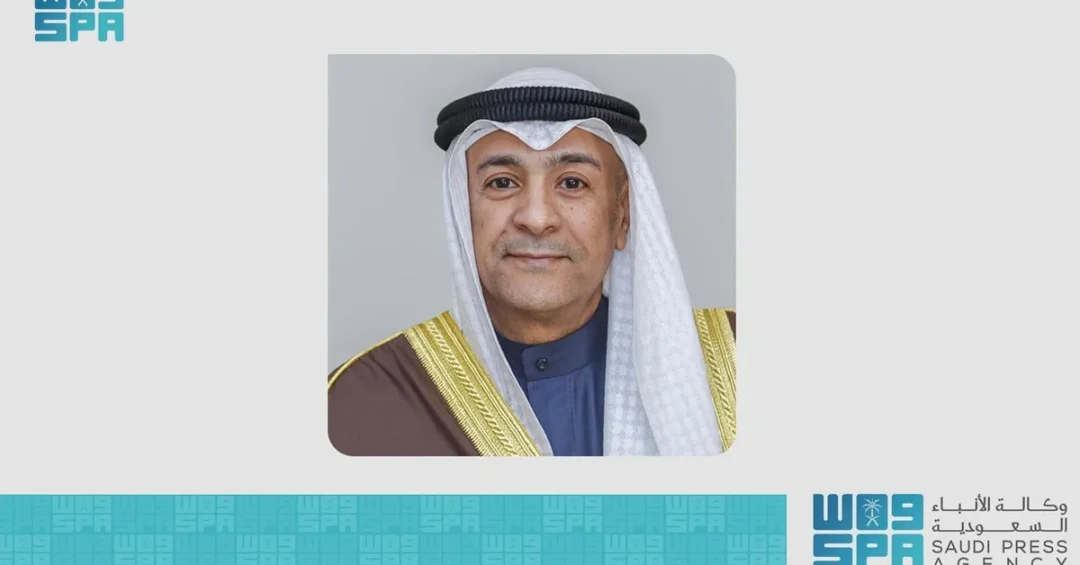
Jasem Mohamed Albudaiwi, Secretary General of the Gulf Cooperation Council (GCC), affirmed during an official visit to Damascus on Monday that the Gulf bloc stands firmly behind Syria’s unity and stability, promising the Syrian people security, prosperity, and development. The statement, released through the Saudi Press Agency (SPA), followed a meeting between Albudaiwi and Ahmed Al Sharaa, Commander-in-Chief of the Syrian Administration, in the Syrian capital. The visit was undertaken alongside Abdullah Al Yahya, Kuwait’s Minister of Foreign Affairs, and came in direct response to agreements reached at the 46th extraordinary meeting of the GCC Ministerial Council. The high-level engagement signals a coordinated Gulf effort to support Syria’s political transition and reconstruction at a pivotal moment in its modern history.
The GCC Ministers of Foreign Affairs had recommended contacting Syrian counterparts to convey a unified Gulf message of support for Syria and its people, and to help them achieve their aspirations for security, stability, development, and prosperity. Monday’s visit in Damascus translated that recommendation into concrete diplomatic action. For observers of regional affairs, the timing is significant: it demonstrates that the Gulf states are prepared to take an active, constructive role in shaping Syria’s post-conflict trajectory rather than leaving the field to other international actors. The meeting also underscored the GCC’s longstanding position that Syria’s sovereignty, independence, and territorial integrity must be respected without exception.
Context and Background
Why does this visit matter now, and what does it reveal about the GCC’s evolving regional strategy? The answer lies in the broader geopolitical shifts that have reshaped the Middle East over the past several years. The 46th extraordinary meeting of the GCC Ministerial Council marked a turning point in the bloc’s approach to Syria, with foreign ministers agreeing to engage Damascus directly and constructively. That decision reflected a recognition that Syria’s stability is inseparable from the stability of the wider region, and that the Gulf states have both the capacity and the responsibility to contribute to a peaceful transition. The visit by Albudaiwi and Al Yahya was the first practical expression of that collective decision.
The GCC, which comprises Saudi Arabia, the United Arab Emirates, Qatar, Kuwait, Bahrain, and Oman, has consistently advocated for a Syrian-led political process that respects the country’s religious and cultural diversity. Albudaiwi reiterated this position in Damascus, emphasizing that the GCC rejects foreign interference in Syria’s internal affairs and supports national reconciliation as a foundation for lasting peace. The Secretary General also highlighted the importance of rebuilding the Syrian state, ensuring civilian safety, dissolving militias and armed factions, and confining weapons to state control. These principles, he said, are essential pillars for restoring Syria’s regional and international role.
For Saudi Arabia, which hosts the GCC Secretariat in Riyadh and has played a leading role in shaping the bloc’s Syria policy, the visit represents a continuation of its broader diplomatic outreach. The Kingdom has long maintained that stability in the Levant is a prerequisite for regional prosperity and that Gulf engagement can serve as a stabilizing force. By supporting the GCC’s unified message, Saudi Arabia is reinforcing its position as a responsible regional leader committed to dialogue, reconstruction, and the well-being of Arab peoples.
Key Details of the Damascus Meeting
What exactly was discussed during the meeting, and what commitments were made? According to the statement released via SPA, Albudaiwi emphasized the GCC’s commitment to supporting Syria across all levels — political, economic, development, and humanitarian. He expressed hope for the continuation of a comprehensive transitional process that fulfils the Syrian people’s aspirations for stability and development. The Secretary General also encouraged national unity and comprehensive dialogue among Syrian parties, stressing that these are essential to achieving security and ensuring that no foreign powers interfere in Syria’s affairs.
Albudaiwi welcomed the United Nations’ call to establish a special mission to support the political transition process in accordance with the principles of the UN Charter. He noted that this mission should help the Syrian people achieve a Syrian-led political process, with a particular focus on caring for refugees and displaced persons and working towards their safe and voluntary return home. The GCC’s endorsement of the UN initiative reflects a shared international consensus that Syria’s transition must be inclusive, transparent, and grounded in the rule of law.
The Secretary General also addressed two critical issues that have weighed heavily on Syria’s recovery. First, he condemned the repeated Israeli attacks on Syrian territory and called on Israeli occupation forces to withdraw from occupied Syrian lands. He stressed that the Golan Heights are Syrian land and rejected any Israeli settlement expansion in the occupied Syrian Golan. Second, he reiterated the need to lift economic sanctions on Syria and provide humanitarian and economic support to the Syrian people to alleviate suffering and strengthen efforts to rebuild the country. These positions align with the GCC’s consistent advocacy for Syria’s territorial integrity and economic recovery.
International and Regional Impact
How will this visit influence the broader regional landscape, and what does it mean for international efforts to stabilize Syria? The GCC’s coordinated engagement sends a clear signal that the Gulf states are united in their approach to Syria and are prepared to back their words with diplomatic action. By aligning with the UN’s call for a special mission, the GCC is positioning itself as a constructive partner in the international community’s efforts to support a Syrian-led transition. This alignment could help bridge gaps between various international stakeholders and ensure that reconstruction efforts are coherent and well-coordinated.
Regionally, the visit reinforces the principle that Arab states should take the lead in resolving Arab crises. The presence of Kuwait’s Foreign Minister alongside the GCC Secretary General underscores the collective nature of the initiative and highlights the bloc’s commitment to burden-sharing. For Syria’s neighbours — including Jordan, Lebanon, Turkey, and Iraq — a stable and prosperous Syria is a vital interest. The GCC’s engagement could help create conditions for the safe return of refugees, the reopening of trade routes, and the gradual normalization of Syria’s regional ties. Albudaiwi’s statement that Syria’s security is an integral part of regional stability and a fundamental cornerstone captures this interconnected reality.
Economic and Strategic Significance
What economic opportunities does Syria’s stabilization present, and how can Gulf investment contribute to reconstruction? The lifting of economic sanctions, which Albudaiwi explicitly called for, would be a game-changer for Syria’s economy. It would allow for the resumption of trade, the flow of investment, and the reintegration of Syria into regional and global markets. Gulf states, with their substantial financial resources and expertise in infrastructure development, are well-positioned to play a leading role in rebuilding Syria’s damaged cities, restoring essential services, and revitalizing key sectors such as agriculture, energy, and tourism.
Strategically, a stable Syria that is free from foreign interference and terrorism serves the interests of the entire region. The GCC’s emphasis on confining weapons to state control and dissolving militias addresses a core security concern that has implications far beyond Syria’s borders. By supporting national reconciliation and comprehensive dialogue, the Gulf states are helping to create a political environment in which extremism cannot thrive. This approach aligns with the GCC’s broader vision of a Middle East characterized by cooperation, development, and mutual respect among sovereign states.
Vision 2030 Alignment
How does the GCC’s support for Syria connect to Saudi Arabia’s Vision 2030 and its long-term goals? Vision 2030, the Kingdom’s ambitious blueprint for economic diversification and social transformation, is rooted in the belief that regional stability and prosperity are essential for national progress. A peaceful, rebuilding Syria that is integrated into the regional economy creates new opportunities for trade, investment, and cultural exchange. Saudi Arabia’s leadership within the GCC on this issue reflects the Kingdom’s commitment to fostering a stable and prosperous neighbourhood, which in turn supports the Vision’s objectives of economic growth and global engagement.
Moreover, the humanitarian dimension of the GCC’s support — caring for refugees and displaced persons, alleviating suffering, and promoting safe and voluntary return — resonates with Vision 2030’s emphasis on human dignity and social responsibility. By championing Syria’s reconstruction and reconciliation, Saudi Arabia and its Gulf partners are demonstrating the values of solidarity and compassion that are central to their national identities. As Albudaiwi concluded, continued international and regional cooperation is essential to achieving the Syrian people’s aspirations for peace and development. The GCC’s visit to Damascus is a concrete step in that direction, and it signals a future in which Syria can reclaim its rightful place in the Arab world and on the global stage.
20 Questions
Q1. Who is the Secretary General of the Gulf Cooperation Council?
A1. Jasem Mohamed Albudaiwi is the Secretary General of the Gulf Cooperation Council. He has been serving in this role since 2023 and has been actively involved in regional diplomacy, including the recent visit to Syria.
Q2. Which Syrian official did the GCC Secretary General meet in Damascus?
A2. Albudaiwi met with Ahmed Al Sharaa, the Commander-in-Chief of the Syrian Administration, in Damascus on Monday. The meeting focused on supporting Syria’s unity, stability, and development.
Q3. What was the purpose of the GCC Secretary General’s visit to Syria?
A3. The visit aimed to convey the GCC’s unified support for Syria and its people, following agreements reached at the 46th extraordinary meeting of the GCC Ministerial Council. It also aimed to discuss ways to help Syria achieve security and prosperity.
Q4. Which Kuwaiti official accompanied the GCC Secretary General on the visit?
A4. Abdullah Al Yahya, Kuwait’s Minister of Foreign Affairs, accompanied Albudaiwi on the visit. His presence underscored the collective nature of the GCC’s initiative and Kuwait’s active role in regional diplomacy.
Q5. What did the GCC Ministers of Foreign Affairs recommend regarding Syria?
A5. They recommended contacting Syrian counterparts to convey a unified GCC message of support for Syria and the Syrian people, and to help them achieve their aspirations for security, stability, development, and prosperity.
Q6. What levels of support did the GCC Secretary General emphasize for Syria?
A6. Albudaiwi emphasized the GCC’s commitment to supporting Syria across all levels — political, economic, development, and humanitarian. This comprehensive approach aims to address the multifaceted challenges facing the country.
Q7. What did Albudaiwi say about Syria’s sovereignty and territorial integrity?
A7. He reiterated the GCC’s consistent emphasis on respecting Syria’s sovereignty, independence, and territorial integrity, rejecting foreign interference, combating terrorism and extremism, and respecting the country’s religious and cultural diversity.
Q8. What did Albudaiwi hope for regarding Syria’s transitional process?
A8. He expressed hope for the continuation of a comprehensive transitional process to fulfil the Syrian people’s aspirations for stability and development. He stressed the importance of national reconciliation and rebuilding the Syrian state.
Q9. What did Albudaiwi say about militias and armed factions in Syria?
A9. He highlighted the importance of the decision to dissolve militias and armed factions and to confine weapons to the state’s control. He considered these essential pillars for maintaining security and stability in Syria.
Q10. How did the GCC Secretary General describe the UN’s call for a special mission?
A10. Albudaiwi welcomed the UN’s call to establish a special mission to support the political transition process in accordance with the principles of the UN Charter, helping the Syrian people achieve a Syrian-led political process.
Q11. What did Albudaiwi say about refugees and displaced persons?
A11. He emphasized the importance of caring for refugees and displaced persons and working towards their safe and voluntary return home. This is a key humanitarian priority for the GCC and the international community.
Q12. How did the GCC Secretary General address Israeli attacks on Syrian territory?
A12. Albudaiwi condemned the repeated Israeli attacks on Syrian territory and called on Israeli occupation forces to withdraw from occupied Syrian lands. He stressed that the Golan Heights are Syrian land.
Q13. What is the GCC’s position on Israeli settlement expansion in the Golan?
A13. The GCC rejects any Israeli settlement expansion in the occupied Syrian Golan. Albudaiwi reiterated this position, affirming the GCC’s support for Syria’s territorial integrity.
Q14. What did Albudaiwi say about lifting economic sanctions on Syria?
A14. He reiterated the need to lift economic sanctions on Syria and provide humanitarian and economic support to the Syrian people to alleviate suffering and strengthen efforts to rebuild the country.
Q15. How did Albudaiwi describe the relationship between Syria’s security and regional stability?
A15. He stressed that Syria’s security is an integral part of regional stability and a fundamental cornerstone. He highlighted the importance of continued international and regional cooperation to achieve peace and development.
Q16. What role did the 46th extraordinary meeting of the GCC Ministerial Council play?
A16. The meeting produced agreements that led to the visit to Damascus. It recommended contacting Syrian counterparts to convey a unified GCC message of support for Syria and its people.
Q17. Which countries are members of the Gulf Cooperation Council?
A17. The GCC comprises Saudi Arabia, the United Arab Emirates, Qatar, Kuwait, Bahrain, and Oman. The bloc works to promote coordination and integration among its member states.
Q18. What did Albudaiwi encourage among Syrian parties?
A18. He encouraged national unity and comprehensive dialogue among Syrian parties to achieve security and development and to ensure that no foreign powers interfered in Syria. This is vital for a sustainable political solution.
Q19. How does the GCC’s support for Syria align with Saudi Arabia’s Vision 2030?
A19. Vision 2030 emphasizes regional stability and prosperity. A stable, rebuilding Syria creates opportunities for trade, investment, and cultural exchange, supporting the Kingdom’s goals of economic growth and global engagement.
Q20. What is the expected outcome of the GCC’s engagement with Syria?
A20. The engagement aims to support Syria’s transition, reconstruction, and reintegration into the regional and international community. It reflects the GCC’s commitment to stability, development, and the well-being of the Syrian people.
Reader Feedback
We value your thoughts. Please share your feedback on this article.
Your feedback helps us improve our coverage.
Related articles
 Endangered Falcon Nests in King Salman Royal Reserve
 NWC Launches Be’ati Digital Service for Sewage Tanker Orders in Madinah
 Salsola Shrubs: Vital Plants Feeding Camels in Northern Borders
 Saudi Humanitarian Law Committee Holds 39th Meeting in Riyadh
 WAMY Concludes Civil Society Training in Mauritania
 King Salman Chairs Cabinet Session, Approves Global Agreements