


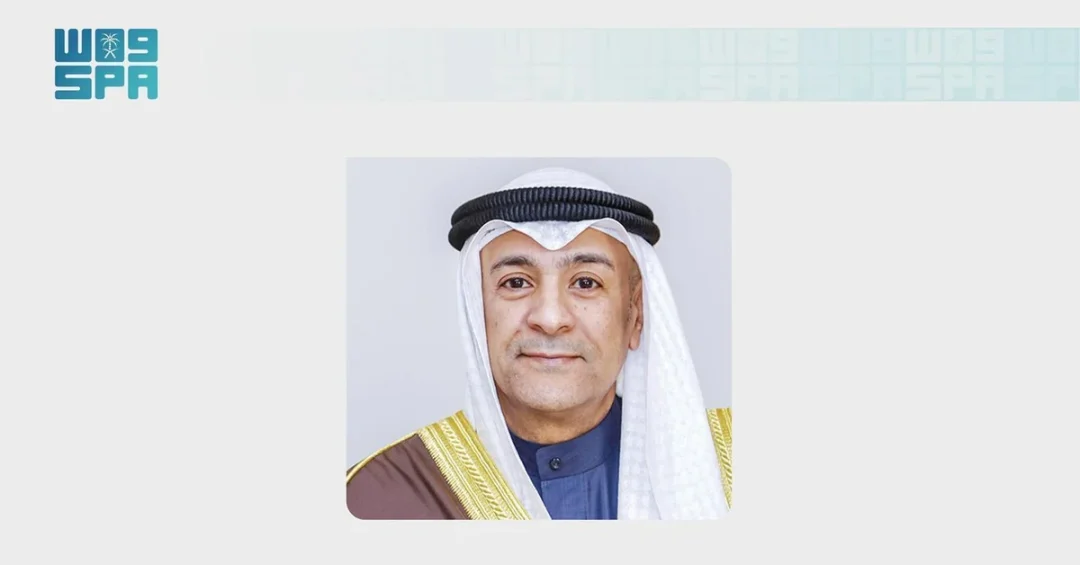
A coordination meeting of the speakers of the Gulf Cooperation Council (GCC) states’ Shura, Representative, National and Ummah Councils convened in Brussels on Thursday to finalize the agenda for the second GCC-EU Parliamentary Meeting, scheduled to take place in the Belgian capital on Friday, according to the Saudi Press Agency (SPA). The gathering, chaired by Ahmed Al Musallam, Speaker of Bahrain’s Council of Representatives, brought together senior parliamentary leaders from across the Gulf to align positions ahead of the high-level dialogue with their European counterparts. Jasem Albudaiwi, Secretary-General of the Gulf Cooperation Council, confirmed that the meeting addressed the agenda items and exchanged views on issues of mutual interest, with the aim of strengthening coordination and presenting a unified GCC perspective during the parliamentary session. The discussions reflect the deepening institutional ties between the Gulf bloc and the European Union, and underscore the growing role of parliamentary diplomacy in shaping the strategic partnership between the two regions.
Why does a parliamentary coordination meeting in Brussels matter to observers of Gulf diplomacy and global governance? The answer lies in the evolving nature of the GCC-EU relationship, which has moved well beyond symbolic exchanges to encompass structured, recurring dialogue at the legislative level. The first GCC-EU Parliamentary Meeting established a precedent for direct engagement between elected and appointed representatives of both regions, and the second meeting now builds on that foundation. By meeting a day before the main session, the GCC speakers ensured that their delegations would enter the talks with a coherent set of priorities, reflecting the GCC’s commitment to effective multilateral engagement and its aspiration to be a constructive partner in addressing shared challenges, from energy security to sustainable development.
Context and Background
How did the GCC-EU parliamentary relationship reach this point of structured cooperation? The Gulf Cooperation Council, established in 1981, comprises six member states: Saudi Arabia, the United Arab Emirates, Bahrain, Kuwait, Oman, and Qatar. Over the past decade, the GCC has intensified its outreach to international partners, recognizing that legislative diplomacy complements executive-level engagement. The European Union, for its part, has identified the Gulf as a region of strategic importance, particularly in light of shifting global energy dynamics and the need for reliable partners in trade, investment, and regional stability. The first GCC-EU Parliamentary Meeting, held previously, laid the groundwork for regular consultations, and the second meeting represents the institutionalization of that dialogue.
The coordination meeting in Brussels on Thursday was not merely procedural; it served as a platform for the GCC speakers to harmonize their positions on a range of topics likely to feature in Friday’s agenda. According to SPA, participants exchanged views on issues of mutual interest, aiming to strengthen coordination and align GCC positions. This pre-meeting alignment is a hallmark of GCC diplomacy, which prioritizes collective action and unified messaging. It also signals to the European side that the GCC is approaching the talks with seriousness and preparation, ready to engage on substantive matters rather than engage in open-ended discussion. The presence of the Secretary-General, Jasem Albudaiwi, further elevated the meeting’s significance, as he has been a vocal advocate for expanding the GCC’s international parliamentary networks.
What specific issues are likely to dominate the agenda? While the official statement did not enumerate them, the context of GCC-EU relations suggests a focus on trade and investment facilitation, energy transition cooperation, climate change mitigation, and regional security. The GCC states, under the leadership of Saudi Arabia, have been actively diversifying their economies and seeking European partnerships in technology, renewable energy, and infrastructure. Parliamentary meetings provide a venue for legislators to discuss the legal and regulatory frameworks that underpin such cooperation, making them essential for translating high-level political agreements into actionable policies. The coordination meeting thus served as a preparatory step to ensure that the GCC delegation could speak with one voice on these complex dossiers.
Key Details
What exactly transpired at the coordination meeting, and who were the key participants? Chaired by Ahmed Al Musallam, the Speaker of Bahrain’s Council of Representatives, the meeting included the speakers of the Shura, Representative, National, and Ummah Councils from the GCC states. This composition reflects the diverse parliamentary structures within the Gulf, ranging from appointed Shura councils to elected representative bodies. Secretary-General Jasem Albudaiwi, who has led the GCC General Secretariat since 2020, provided an overview of the agenda for the second GCC-EU Parliamentary Meeting. The officials underscored the strategic relations between the GCC states and the EU, emphasizing the importance of continuing to develop ties across various fields, including parliamentary relations. They also highlighted the need to strengthen the role of parliamentary diplomacy in deepening the partnership.
The meeting concluded with expressions of hope that the second GCC-EU Parliamentary Meeting would be a valuable addition to parliamentary relations and that its outcomes would open new avenues for cooperation and coordination. This optimistic tone is consistent with the GCC’s broader diplomatic approach, which seeks to build bridges and foster mutual understanding. It also aligns with the GCC’s Vision 2030-inspired goals of economic diversification and global integration, particularly as Saudi Arabia, the largest GCC economy, continues to spearhead regional initiatives. The coordination meeting thus served both a practical purpose—finalizing the agenda—and a symbolic one, demonstrating the GCC’s unity and its readiness to engage Europe as a cohesive bloc.
How does this meeting fit into the wider pattern of GCC diplomacy? In recent years, the GCC has established parliamentary friendship groups with several regions, including the European Parliament, and has participated in inter-parliamentary forums. The GCC-EU Parliamentary Meeting is one of the most structured of these engagements, occurring on a recurring basis. The first meeting set the stage, and the second is expected to produce concrete recommendations for enhancing cooperation. The coordination meeting on Thursday ensured that the GCC side would be prepared to discuss these recommendations and to propose new areas of collaboration. This methodical approach reflects the GCC’s growing confidence on the international stage and its ability to project a unified position on matters of shared concern.
International and Regional Impact
Why should the international community pay attention to a parliamentary meeting between the GCC and the EU? The answer lies in the geopolitical weight of both blocs. The GCC represents a significant share of global energy exports and sits at the crossroads of major trade routes, while the EU is one of the world’s largest single markets. When their legislators meet, they discuss policies that can affect global supply chains, investment flows, and security cooperation. The second GCC-EU Parliamentary Meeting is therefore more than a diplomatic formality; it is a platform for shaping the rules and norms that govern one of the world’s most important inter-regional relationships. The coordination meeting in Brussels signaled that the GCC is taking this responsibility seriously, preparing thoroughly to ensure that the dialogue yields tangible benefits for both sides.
What are the potential regional implications, particularly for the Middle East? The GCC’s engagement with Europe is part of a broader strategy to diversify partnerships and reduce reliance on any single external power. By strengthening ties with the EU, the GCC states are reinforcing their position as reliable partners in a multipolar world. This is particularly relevant as the region navigates complex challenges, from post-conflict reconstruction to economic diversification. Parliamentary diplomacy can help build consensus on sensitive issues and create channels for dialogue that complement official government-to-government contacts. For Saudi Arabia, which holds the GCC’s largest economy and plays a leading role in Vision 2030, this meeting reinforces its commitment to international cooperation and its ability to convene and lead regional coalitions. The coordination meeting thus contributes to a more stable and prosperous Middle East, anchored in dialogue and mutual respect.
Economic and Strategic Significance
How does parliamentary cooperation translate into economic and strategic gains? Parliamentary meetings often focus on removing legislative bottlenecks, harmonizing regulations, and promoting trade and investment. For the GCC and the EU, there is substantial room to expand economic ties. European companies are increasingly looking to the Gulf for opportunities in renewable energy, digital infrastructure, and advanced manufacturing, while GCC investors see Europe as a stable destination for long-term capital. The second GCC-EU Parliamentary Meeting is expected to address these themes, with legislators discussing ways to facilitate business mobility, protect investments, and encourage joint ventures. The coordination meeting on Thursday helped to align GCC priorities in these areas, ensuring that the Gulf’s voice is heard clearly in the discussions.
What strategic interests are at stake for the GCC? The GCC’s strategic interests include maintaining secure energy markets, attracting foreign direct investment, and fostering technological innovation. Europe is a key partner in all three areas. By engaging the European Parliament and national parliaments, the GCC can advocate for policies that support these interests, such as fair trade rules and investment protection. Moreover, parliamentary diplomacy can help build trust and understanding, reducing the risk of misperceptions that could hinder cooperation. The coordination meeting, by aligning GCC positions, enhanced the bloc’s ability to negotiate effectively and to present a coherent narrative about its economic transformation. This is particularly important as the GCC states implement ambitious diversification plans, including Saudi Arabia’s Vision 2030, which seeks to reduce oil dependence and create a vibrant, diversified economy.
Vision 2030 Alignment
How does this parliamentary engagement align with Saudi Arabia’s Vision 2030? Vision 2030 is a comprehensive plan to transform the Kingdom’s economy and society, and it explicitly calls for greater international integration and partnerships. The GCC-EU Parliamentary Meeting is a manifestation of that vision, as it brings together legislators to discuss cooperation in areas such as trade, investment, and sustainable development. Saudi Arabia’s leadership within the GCC, including its support for the coordination meeting, reflects its commitment to multilateralism and its belief that regional cooperation is essential for achieving national goals. By strengthening the GCC’s parliamentary ties with Europe, the Kingdom is helping to create an enabling environment for Vision 2030’s objectives, from attracting foreign investment to promoting cultural exchange and knowledge transfer.
What does the future hold for GCC-EU parliamentary relations? The second meeting is expected to produce recommendations that will guide future interactions, potentially leading to the establishment of regular working groups or joint committees. The coordination meeting in Brussels was a crucial step in that direction, demonstrating the GCC’s proactive approach and its willingness to invest time and resources in parliamentary diplomacy. As the GCC continues to pursue its strategic goals, including economic diversification and global engagement, such meetings will become increasingly important. They offer a forum for discussing shared challenges, from climate change to digital transformation, and for building the personal relationships that underpin successful international cooperation. For Saudi Arabia and its GCC partners, the path forward is clear: deeper engagement with Europe, anchored in mutual respect and shared interests, will contribute to a more prosperous and stable world. The second GCC-EU Parliamentary Meeting, prepared through this coordination meeting, is a milestone on that journey.
20 Questions
Q1. What was the purpose of the coordination meeting in Brussels?
A1. The coordination meeting aimed to discuss and finalize the agenda for the second GCC-EU Parliamentary Meeting. It allowed GCC speakers to align positions and exchange views on issues of mutual interest ahead of the main session with European counterparts.
Q2. Who chaired the coordination meeting?
A2. Ahmed Al Musallam, Speaker of Bahrain’s Council of Representatives, chaired the coordination meeting. His leadership underscored Bahrain’s role in facilitating GCC parliamentary coordination and its commitment to strengthening ties with the European Union.
Q3. Who is the GCC Secretary-General and what did he say?
A3. Jasem Albudaiwi is the GCC Secretary-General. He stated that the meeting discussed the agenda for the second GCC-EU Parliamentary Meeting and that participants exchanged views on mutual interests to strengthen coordination and align GCC positions.
Q4. When and where is the second GCC-EU Parliamentary Meeting taking place?
A4. The second GCC-EU Parliamentary Meeting is scheduled to take place in Brussels, Belgium, on Friday, following the coordination meeting held on Thursday in the same city.
Q5. Which councils participated in the coordination meeting?
A5. The meeting included speakers from the GCC states’ Shura, Representative, National, and Ummah Councils. These bodies represent the diverse parliamentary structures within the Gulf Cooperation Council member states.
Q6. What is the significance of parliamentary diplomacy in GCC-EU relations?
A6. Parliamentary diplomacy deepens the partnership by fostering dialogue between legislators, who can address regulatory and policy issues that affect cooperation. It complements government-level talks and helps build long-term trust between the two regions.
Q7. What issues were discussed at the coordination meeting?
A7. The meeting discussed the agenda for the second GCC-EU Parliamentary Meeting and exchanged views on issues of mutual interest. Specific topics likely included trade, investment, energy, and regional security, though the official statement did not enumerate them.
Q8. How does this meeting reflect GCC unity?
A8. By bringing together speakers from all GCC member states to align positions before engaging with the EU, the meeting demonstrates the GCC’s commitment to collective action and a unified approach to international diplomacy.
Q9. What are the expected outcomes of the second GCC-EU Parliamentary Meeting?
A9. The meeting is expected to produce recommendations for enhancing cooperation and coordination between the GCC and the EU. It may also establish new avenues for parliamentary dialogue and joint initiatives in areas of shared interest.
Q10. How does this relate to Saudi Arabia’s Vision 2030?
A10. Vision 2030 emphasizes international integration and partnerships. The GCC-EU Parliamentary Meeting supports this by fostering cooperation in trade, investment, and sustainable development, aligning with Saudi Arabia’s goals of economic diversification and global engagement.
Q11. What role does Saudi Arabia play in the GCC?
A11. Saudi Arabia is the largest GCC economy and a founding member. It plays a leading role in shaping GCC policies and initiatives, including parliamentary diplomacy, and actively supports regional coordination to advance shared interests.
Q12. Why is the GCC engaging with the European Union?
A12. The GCC seeks to diversify partnerships, attract investment, and promote trade. The EU is a major economic bloc and a key partner in areas such as energy transition, technology, and sustainable development, making engagement strategically valuable.
Q13. What is the history of GCC-EU parliamentary meetings?
A13. The first GCC-EU Parliamentary Meeting established a precedent for structured dialogue. The second meeting builds on that foundation, reflecting the institutionalization of parliamentary cooperation between the two regions.
Q14. How does parliamentary diplomacy complement official diplomacy?
A14. Parliamentary diplomacy provides a flexible platform for discussing sensitive issues and building relationships beyond formal government channels. It can help create consensus and support the implementation of agreements reached at the executive level.
Q15. What are the key areas of GCC-EU cooperation?
A15. Key areas include trade and investment, energy security, climate change, digital transformation, and regional stability. Parliamentary meetings allow legislators to address the legal and regulatory aspects of these areas.
Q16. What message does the coordination meeting send to the international community?
A16. It signals that the GCC is united, prepared, and committed to constructive engagement with Europe. It demonstrates the bloc’s proactive approach to international diplomacy and its willingness to invest in long-term partnerships.
Q17. How might the outcomes of the second meeting affect businesses?
A17. Outcomes could lead to regulatory harmonization, investment protection, and trade facilitation, benefiting businesses in both regions. Such measures can reduce barriers and create new opportunities for companies.
Q18. What is the role of the GCC General Secretariat in these meetings?
A18. The GCC General Secretariat, led by Secretary-General Jasem Albudaiwi, coordinates preparations and provides support for parliamentary meetings. It helps align member states’ positions and facilitates dialogue with external partners.
Q19. How does this meeting contribute to regional stability?
A19. By fostering dialogue and cooperation between the GCC and the EU, the meeting helps build mutual understanding and address shared challenges. This contributes to stability in the Middle East and beyond.
Q20. What is the long-term vision for GCC-EU parliamentary relations?
A20. The long-term vision is to establish regular, structured dialogue that supports economic integration, political cooperation, and people-to-people ties. This aligns with the GCC’s broader goals of global engagement and sustainable development.
Reader Feedback
We value your thoughts. Please share your feedback on this article.
Your feedback helps us improve our coverage.