


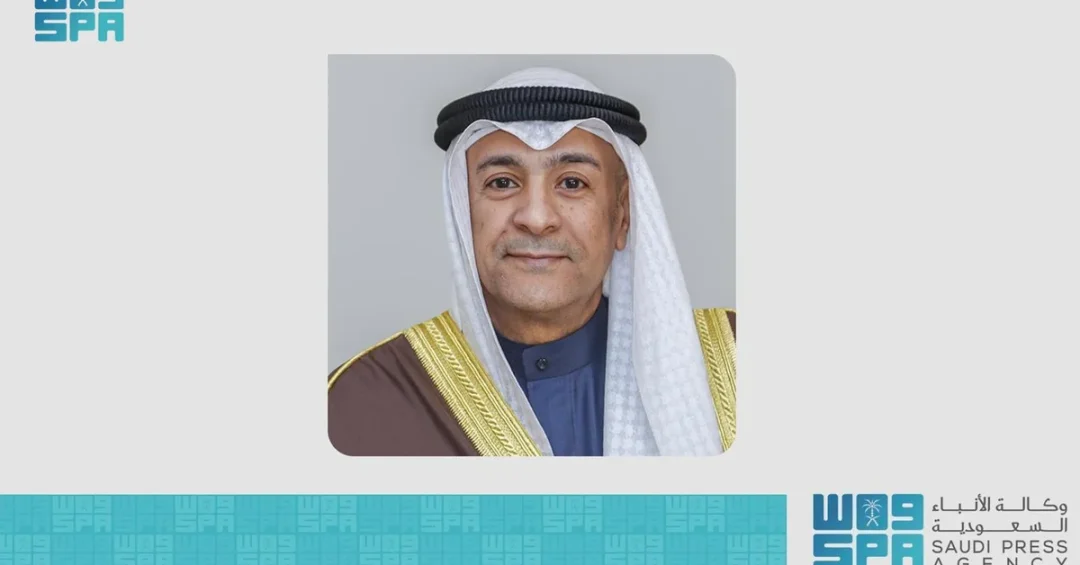
Riyadh, March 16, 2025 — The Secretary-General of the Gulf Cooperation Council (GCC), Jasem Albudaiwi, affirmed that GCC member states are taking significant and valuable steps to combat Islamophobia, describing Islam as a religion of love, tolerance, and understanding that advocates for peace, coexistence, and respect for cultural and religious diversity. The statement was made on the occasion of the International Day to Combat Islamophobia, observed annually on March 15, highlighting the Gulf region’s commitment to promoting mutual respect and dialogue among peoples and cultures.
Context and Background
The International Day to Combat Islamophobia, designated by the United Nations, serves as a global platform to raise awareness about the challenges faced by Muslims worldwide and to foster a culture of tolerance. In this context, Albudaiwi emphasized that all joint Gulf statements, at every level, reaffirm the importance of promoting dialogue and mutual respect while rejecting anything that fuels hatred and extremism. These statements call for intensified international efforts to reinforce these principles across societies, spread a culture of religious tolerance, dialogue, and coexistence, and condemn all offensive remarks against Islam, Muslims, and Islamic civilization.
Albudaiwi pointed to the efforts of GCC states in this regard, including the proposal to establish a GCC Scientific Observatory to Combat Extremism through the Committee of Ministers of Islamic Affairs and Endowments in GCC countries. This initiative is essential to enhance the true image of Islam and counter hate campaigns. The secretary-general reiterated the firm positions and resolutions of GCC states in rejecting terrorism and extremism, regardless of their sources, and their absolute rejection of all forms and manifestations of these threats, as well as any justifications or motivations behind them.
Key Details
He underscored that terrorism is not linked to any religion, culture, nationality, or ethnic group, and that tolerance and coexistence among nations and peoples are fundamental principles upon which GCC societies are built, as reflected in their interactions with others. Albudaiwi also condemned all acts of terrorism, emphasizing the sanctity of human life and rejecting any harm to civilians and civilian facilities such as schools, places of worship, and hospitals. He urged the international and regional communities to maintain ongoing coordination to confront terrorist groups and sectarian militias that threaten security and undermine stability.
Furthermore, the secretary-general highlighted the commitment to eradicating sources of terrorist financing and supporting international efforts to combat terrorism. These measures align with the GCC’s broader strategy to promote peace and security both regionally and globally, ensuring that the values of moderation and tolerance are upheld.
Implications and Impact
The GCC’s proactive stance on combating Islamophobia and extremism carries significant implications for regional and international relations. By fostering dialogue and understanding, the Gulf states contribute to global efforts to bridge cultural divides and promote peaceful coexistence. This approach not only enhances the image of Islam but also strengthens diplomatic ties and collaborations with other nations and international organizations.
Moreover, the establishment of the GCC Scientific Observatory to Combat Extremism demonstrates a concrete commitment to countering hate campaigns through education and research. This initiative is expected to serve as a model for other regions, showcasing how collective action can effectively address shared challenges. The GCC’s emphasis on eradicating terrorist financing also reinforces global security frameworks, contributing to the stability of international financial systems.
Vision 2030 Alignment
Saudi Arabia’s Vision 2030, a comprehensive plan to diversify the economy and enhance quality of life, aligns closely with the GCC’s efforts to promote tolerance and combat extremism. By fostering a culture of dialogue and coexistence, the Kingdom supports the vision’s objectives of building a vibrant society and a thriving economy. These efforts also reinforce Saudi Arabia’s role as a leader in regional stability and global diplomacy, contributing to a more peaceful and prosperous world.
20 Questions
Q1. What is the International Day to Combat Islamophobia?
A1. The International Day to Combat Islamophobia is observed annually on March 15, as designated by the United Nations, to raise awareness about the challenges faced by Muslims and promote tolerance and understanding worldwide. It serves as a global platform to counter negative stereotypes and foster mutual respect among diverse cultures and religions.
Q2. Who is Jasem Albudaiwi?
A2. Jasem Albudaiwi is the Secretary-General of the Gulf Cooperation Council (GCC), a regional intergovernmental organization comprising six Arab states. He plays a key role in promoting cooperation and unity among GCC member countries, addressing regional and international issues, and advocating for peace and stability.
Q3. What are the GCC states doing to combat Islamophobia?
A3. GCC states are taking significant steps to combat Islamophobia, including promoting dialogue, mutual respect, and religious tolerance through joint statements and initiatives. They are also establishing a GCC Scientific Observatory to Combat Extremism to enhance the true image of Islam and counter hate campaigns.
Q4. What is the GCC Scientific Observatory to Combat Extremism?
A4. The GCC Scientific Observatory to Combat Extremism is a proposed initiative by the Committee of Ministers of Islamic Affairs and Endowments in GCC countries. It aims to monitor and counter extremist ideologies, promote moderate Islam, and provide research and education to combat hate campaigns and misrepresentation of religions.
Q5. How do GCC statements promote tolerance?
A5. Joint Gulf statements at all levels reaffirm the importance of dialogue and mutual respect among peoples and cultures. They reject anything that fuels hatred and extremism, call for intensified international efforts to reinforce these principles, and condemn offensive remarks against Islam and Muslims.
Q6. What is the GCC’s stance on terrorism?
A6. The GCC firmly rejects terrorism and extremism in all forms, regardless of their sources or motivations. It emphasizes the need to eradicate terrorist financing and supports international efforts to combat terrorism, underscoring that terrorism is not linked to any religion, culture, or nationality.
Q7. How does the GCC view the relationship between terrorism and religion?
A7. The GCC emphasizes that terrorism is not linked to any religion, culture, nationality, or ethnic group. It views tolerance and coexistence as fundamental principles upon which GCC societies are built, and it rejects any attempts to associate terrorism with Islam or any other faith.
Q8. What did Albudaiwi say about the sanctity of human life?
A8. Albudaiwi condemned all acts of terrorism and emphasized the sanctity of human life. He rejected any harm to civilians and civilian facilities such as schools, places of worship, and hospitals, urging international and regional communities to coordinate efforts to confront terrorist groups and sectarian militias.
Q9. What is the role of the Committee of Ministers of Islamic Affairs and Endowments?
A9. The Committee of Ministers of Islamic Affairs and Endowments in GCC countries is responsible for overseeing religious affairs and endowments. It proposed the establishment of the GCC Scientific Observatory to Combat Extremism, which aims to promote moderate Islam and counter hate campaigns through research and education.
Q10. How do GCC efforts align with Vision 2030?
A10. Saudi Arabia’s Vision 2030 aims to build a vibrant society and a thriving economy. The GCC’s efforts to promote tolerance and combat extremism align with these objectives by fostering a culture of dialogue, enhancing quality of life, and reinforcing the Kingdom’s role as a leader in regional stability and global diplomacy.
Q11. What is the significance of the GCC’s joint statements?
A11. The GCC’s joint statements demonstrate a unified commitment to promoting dialogue and mutual respect among peoples and cultures. They reject hatred and extremism, call for international efforts to reinforce these principles, and condemn offensive remarks against Islam, Muslims, and Islamic civilization, thereby strengthening regional solidarity and global cooperation.
Q12. How does the GCC support international efforts to combat terrorism?
A12. The GCC supports international efforts to combat terrorism by eradicating sources of terrorist financing, coordinating with international and regional communities, and confronting terrorist groups and sectarian militias that threaten security and stability. It emphasizes that terrorism is not linked to any religion or culture.
Q13. What are the fundamental principles of GCC societies?
A13. Tolerance and coexistence among nations and peoples are fundamental principles upon which GCC societies are built. These values are reflected in their interactions with others and are promoted through joint statements, initiatives, and policies that reject hatred, extremism, and negative stereotyping of religions.
Q14. How does the GCC address negative stereotyping of religions?
A14. The GCC addresses negative stereotyping of religions by promoting a culture of religious tolerance, dialogue, and coexistence. It condemns all offensive remarks against Islam, Muslims, and Islamic civilization, and calls for intensified international efforts to counter all forms of hatred, intolerance, and misrepresentation.
Q15. What is the GCC’s approach to countering hate campaigns?
A15. The GCC counters hate campaigns by enhancing the true image of Islam through initiatives like the GCC Scientific Observatory to Combat Extremism. It promotes dialogue, mutual respect, and religious tolerance, and works to reject anything that fuels hatred and extremism, both regionally and internationally.
Q16. How do GCC states interact with other cultures and religions?
A16. GCC states interact with other cultures and religions based on principles of tolerance and coexistence. They advocate for peace, respect for cultural and religious diversity, and dialogue among peoples. These values are reflected in their joint statements and efforts to promote mutual understanding and reject extremism.
Q17. What did Albudaiwi urge the international community to do?
A17. Albudaiwi urged the international and regional communities to maintain ongoing coordination to confront terrorist groups and sectarian militias that threaten security and undermine stability. He also called for intensified efforts to reinforce the principles of dialogue, tolerance, and coexistence across societies.
Q18. Why is combating Islamophobia important for global peace?
A18. Combating Islamophobia is important for global peace because it promotes mutual respect, dialogue, and understanding among diverse cultures and religions. It helps prevent hatred, extremism, and violence, and fosters a more inclusive and peaceful world where all individuals can coexist harmoniously.
Q19. How does the GCC’s stance on terrorism reflect its values?
A19. The GCC’s stance on terrorism reflects its core values of tolerance, coexistence, and respect for human life. By rejecting terrorism in all forms and emphasizing that it is not linked to any religion, the GCC upholds the sanctity of life and promotes peace, stability, and security in the region and beyond.
Q20. What is the ultimate goal of GCC efforts to combat Islamophobia?
A20. The ultimate goal of GCC efforts to combat Islamophobia is to enhance the true image of Islam, promote dialogue and mutual respect among peoples and cultures, and foster a global environment of tolerance and coexistence. These efforts align with the GCC’s commitment to peace, security, and the principles of Vision 2030.
Reader Feedback
We value your thoughts. Please share your feedback on this article.
Your feedback helps us improve our coverage.
Related articles
 Red Crescent Revives Umrah Performer in Makkah
 Digital Mutawwif: Ultimate Guide for Umrah Rituals
 Riyadh Buses Expand to Diplomatic Quarter
 5.0-Magnitude Earthquake Strikes Northern Chile
 King Salman Medical City Boosts Yemen Health, Education
 Environment Minister Launches Electronic Platform for Incentives, Grants Program