


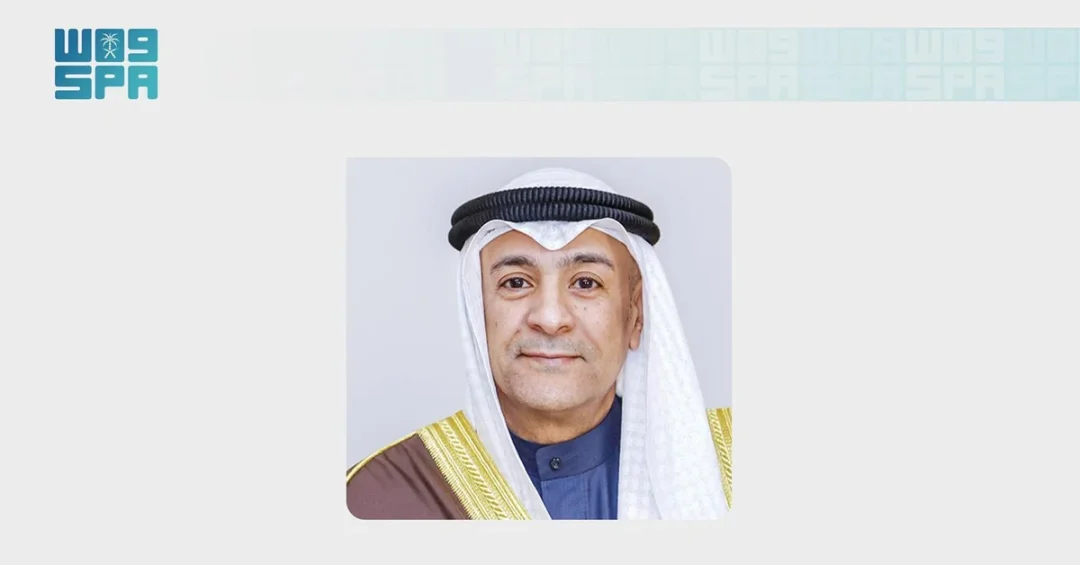
The first-ever GCC-Switzerland Joint Ministerial Meeting convened in New York on Monday, with Gulf Cooperation Council Secretary-General Jasem Albudaiwi describing the session as a pivotal milestone toward deepening political dialogue and unlocking broader avenues for bilateral cooperation. The landmark gathering was co-chaired by Minister of Foreign Affairs of the Kingdom of Bahrain and Chairman of the current session of the GCC Ministerial Council Dr. Abdullatif bin Rashid Al Zayani, alongside Federal Councillor and Head of the Federal Department of Foreign Affairs of the Swiss Confederation Ignazio Cassis, with the participation of the foreign ministers of all GCC member states. The meeting, held on the margins of the United Nations General Assembly, signals a new chapter in relations between the six-nation Gulf bloc and the Swiss Confederation. Could this inaugural session mark the beginning of a durable strategic partnership between two of the world’s most stable and prosperous regions?
The convening of the meeting follows the signing of a memorandum of understanding in January establishing a Strategic Dialogue between the GCC and Switzerland, a development that Albudaiwi said reflects significant progress in relations. The GCC General Secretariat has already drafted a Joint Action Plan encompassing actionable mechanisms for collaboration across political, cultural, developmental, and humanitarian sectors. Albudaiwi voiced anticipation for concluding the requisite procedures for its formal adoption in the near future, which would widen areas of joint engagement and give the strategic dialogue a concrete operational framework. The meeting brought together a unique combination of Gulf and European diplomatic weight, with the participation of foreign ministers from Saudi Arabia, the United Arab Emirates, Qatar, Kuwait, Oman, and Bahrain, alongside the Swiss foreign minister.
Context and Background
How did the relationship between the GCC and Switzerland evolve to reach this historic first ministerial meeting? The Gulf Cooperation Council, established in 1981, comprises six Arab states of the Gulf and has long served as a cornerstone of regional stability, economic integration, and collective diplomacy. Switzerland, for its part, has maintained a longstanding tradition of neutrality and mediation, making it a natural partner for a region seeking to diversify its international alliances beyond traditional Western powers. The January 2026 memorandum of understanding that established the Strategic Dialogue was the product of months of quiet diplomacy and shared recognition that both sides stand to benefit from deeper institutional ties.
The relationship between the GCC and Switzerland has been steadily building in recent years, driven by shared interests in trade, investment, financial services, and conflict mediation. Switzerland has played host to numerous diplomatic tracks involving Gulf states, and Swiss financial institutions have deep connections to Gulf sovereign wealth funds and private investors. The Strategic Dialogue established in January formalized these ties and created a structured framework for regular political consultations at the ministerial level. The Joint Ministerial Meeting in New York represents the first time this framework has been activated at the highest diplomatic level, underscoring the seriousness with which both sides view the relationship.
The timing of the meeting is significant. It comes amid a period of heightened regional tension and global economic uncertainty, making the need for reliable partnerships and open channels of communication more pressing than ever. For the GCC, Switzerland represents a stable, neutral, and economically sophisticated partner that can help advance the bloc’s interests in Europe and beyond. For Switzerland, the Gulf region offers a dynamic market, a critical energy partner, and an increasingly important diplomatic counterpart in the Middle East. The meeting in New York therefore serves both symbolic and substantive purposes, marking a new era of cooperation while laying the groundwork for concrete initiatives.
Key Details of the Joint Action Plan
What specific areas of cooperation will the Joint Action Plan prioritize, and how will it be implemented? Albudaiwi outlined that the plan drafted by the GCC General Secretariat encompasses actionable mechanisms for collaboration across four main sectors: political, cultural, developmental, and humanitarian. In the political sphere, the plan envisions regular consultations on regional and global issues, joint mediation efforts where interests align, and coordination in multilateral forums. The cultural dimension includes initiatives to promote people-to-people exchanges, educational partnerships, and cultural events that showcase the heritage of both regions. The developmental sector focuses on trade facilitation, investment promotion, and technical cooperation in areas such as renewable energy, digital transformation, and infrastructure.
The humanitarian component of the plan reflects both sides’ commitment to addressing global challenges, including refugee crises, disaster relief, and public health emergencies. Switzerland’s expertise in humanitarian coordination, combined with the GCC’s substantial humanitarian funding and logistical capabilities, could create a powerful partnership for delivering aid effectively in crisis zones. The Joint Action Plan is expected to be formally adopted following the completion of internal procedures on both sides, a process that Albudaiwi indicated is already well advanced. Once adopted, the plan will provide a clear roadmap for cooperation over the coming years, with regular review mechanisms to ensure accountability and adaptability.
The meeting also provided an opportunity for the foreign ministers of the GCC member states to engage directly with their Swiss counterpart on a range of bilateral and multilateral issues. These discussions are expected to reinforce the foundation for future agreements and initiatives, including potential cooperation on climate change, counterterrorism, and cybersecurity. The presence of all six GCC foreign ministers at the meeting underscores the collective commitment of the Gulf states to this new partnership and their confidence in Switzerland as a reliable and constructive partner. The Joint Action Plan will likely serve as a model for the GCC’s engagement with other European partners seeking structured, multi-sectoral dialogue.
International and Regional Impact
How will the GCC-Switzerland partnership influence broader regional dynamics and global diplomacy? The meeting comes at a time of significant geopolitical flux in the Middle East and beyond, with the Gaza conflict, tensions with Iran, and disruptions to global shipping lanes all demanding coordinated international responses. Albudaiwi used the platform to address these pressing issues, reviewing the hostile ballistic missile and drone strikes launched by Iran and its proxies against GCC member states since February 28, 2026, which targeted critical infrastructure and caused casualties and material damage. He underscored that GCC nations were never party to the conflict and have persistently pursued mediation to defuse tensions, a stance that reinforces the bloc’s role as a responsible and stabilizing force in the region.
The disruption of international maritime transit and the closure of the Strait of Hormuz have triggered worldwide fallout, driving up energy prices, destabilizing supply chains, and imposing heavy burdens on governments and commercial sectors. Albudaiwi reiterated that the security of waterways across the Gulf remains an international imperative rather than a purely regional concern, demanding Iran’s full compliance with United Nations Security Council Resolution 2817, the permanent and unconditional cessation of hostilities, assurances against recurrence, and the unhindered restoration of navigation in the straits of Hormuz and Bab Al-Mandab to pre-28 February 2026 conditions. Switzerland, with its tradition of neutrality and mediation, could play a constructive role in supporting diplomatic efforts to resolve these tensions and restore stability to one of the world’s most critical economic corridors.
Reaffirming the centrality of the Palestinian issue, Albudaiwi emphasized the necessity of ending the Israeli occupation and establishing an independent Palestinian state along the 1967 borders with East Jerusalem as its capital, pursuant to the Arab Peace Initiative and relevant resolutions of international legitimacy. He expressed the GCC’s hope that Switzerland will formally recognize the State of Palestine, thereby reinforcing global efforts toward actualizing the two-state solution. This appeal reflects the GCC’s broader strategy of engaging European partners to build support for a just and lasting resolution to the Palestinian question, a cause that remains central to the region’s stability and the credibility of the international order.
Economic and Strategic Significance
What economic opportunities does the GCC-Switzerland partnership unlock for both sides? Switzerland is one of the world’s most competitive economies, with strengths in banking, pharmaceuticals, precision manufacturing, and research and development. The GCC, meanwhile, represents a combined GDP of over $2 trillion and is home to some of the world’s largest sovereign wealth funds, including Saudi Arabia’s Public Investment Fund. The strategic dialogue and joint action plan create a framework for expanding trade and investment flows, facilitating joint ventures, and sharing expertise in areas of mutual interest. Swiss companies already have a significant presence in the Gulf, particularly in financial services, engineering, and luxury goods, and the new framework is expected to encourage further expansion.
For the GCC, Switzerland offers access to European markets, advanced technologies, and a stable financial hub that can serve as a gateway for Gulf investment into Europe. The Gulf states, in turn, offer Switzerland a dynamic and fast-growing market, abundant energy resources, and strategic location at the crossroads of Asia, Africa, and Europe. The joint action plan’s focus on renewable energy and digital transformation aligns with the economic diversification goals of GCC member states, particularly Saudi Arabia’s Vision 2030, which seeks to reduce dependence on oil and build a knowledge-based economy. Swiss expertise in these areas could accelerate the Gulf’s transition and create new opportunities for collaboration.
The humanitarian and developmental dimensions of the partnership also carry strategic significance. By working together on humanitarian initiatives, the GCC and Switzerland can amplify their impact in crisis regions, enhance their reputations as responsible global actors, and build goodwill that supports broader diplomatic objectives. The developmental cooperation, meanwhile, can help address root causes of instability by promoting economic opportunity and institutional capacity in vulnerable regions. Together, these elements make the GCC-Switzerland partnership more than a bilateral arrangement; it is a contribution to global stability and prosperity that aligns with the interests of the wider international community.
Vision 2030 Alignment
How does the GCC-Switzerland partnership support Saudi Arabia’s Vision 2030 and the Kingdom’s broader global role? Saudi Arabia, as the largest GCC member state and the location of the GCC General Secretariat’s headquarters in Riyadh, plays a central role in shaping the bloc’s international engagement. Vision 2030, the Kingdom’s ambitious roadmap for economic and social transformation, emphasizes the importance of international partnerships, foreign investment, and knowledge exchange. The strategic dialogue with Switzerland directly supports these objectives by opening new channels for cooperation in trade, investment, technology, and culture. It also reinforces Saudi Arabia’s position as a leader in regional diplomacy and a bridge between the Gulf and Europe.
The meeting in New York reflects the Kingdom’s commitment to multilateralism and its willingness to work with partners who share its values of stability, prosperity, and peaceful resolution of conflicts. Under the leadership of the Custodian of the Two Holy Mosques and His Royal Highness the Crown Prince, Saudi Arabia has consistently advocated for dialogue and diplomacy as tools for resolving regional crises. The GCC-Switzerland partnership is a natural extension of this approach, creating a platform for joint action on issues ranging from maritime security to humanitarian relief. As the relationship deepens, it is expected to yield tangible benefits for the people of the Gulf and Europe alike, while contributing to the vision of a more stable, prosperous, and interconnected world that Vision 2030 embodies. Concluding his address, Albudaiwi expressed optimism that this inaugural ministerial session will serve as a launchpad for an ambitious phase in GCC-Swiss ties, building upon mutual understanding to propel bilateral relations toward wider horizons.
20 Questions
Q1. What was the significance of the first GCC-Switzerland Joint Ministerial Meeting?
A1. It marked a pivotal milestone in deepening political dialogue and consultation between the Gulf Cooperation Council and Switzerland, unlocking broader avenues to advance bilateral ties toward more proactive and elevated stages of cooperation.
Q2. Where and when did the meeting take place?
A2. The inaugural GCC-Switzerland Joint Ministerial Meeting was held in New York on Monday, on the margins of the United Nations General Assembly, bringing together foreign ministers from all GCC member states and Switzerland.
Q3. Who co-chaired the meeting?
A3. The meeting was co-chaired by Bahrain’s Minister of Foreign Affairs Dr. Abdullatif bin Rashid Al Zayani, Chairman of the current GCC Ministerial Council session, and Swiss Federal Councillor Ignazio Cassis, Head of the Federal Department of Foreign Affairs.
Q4. What did GCC Secretary-General Jasem Albudaiwi say about the meeting?
A4. Albudaiwi described the convening of the first GCC-Switzerland Joint Ministerial Meeting as a pivotal milestone toward deepening political dialogue and consultation, unlocking broader avenues to advance bilateral ties toward more proactive and elevated stages.
Q5. What agreement preceded this meeting?
A5. A memorandum of understanding establishing a Strategic Dialogue between the GCC and Switzerland was signed in January 2026, representing significant progress in relations earlier this year.
Q6. What is the Joint Action Plan mentioned by Albudaiwi?
A6. The GCC General Secretariat drafted a Joint Action Plan encompassing actionable mechanisms for collaboration across political, cultural, developmental, and humanitarian sectors, anticipated to be formally adopted in the near future.
Q7. What regional developments did Albudaiwi address?
A7. He reviewed hostile ballistic missile and drone strikes launched by Iran and its proxies against GCC member states since February 28, 2026, targeting critical infrastructure and causing casualties and material damage.
Q8. What was the GCC’s position on the conflict with Iran?
A8. Albudaiwi underscored that GCC nations were never party to the conflict and have persistently pursued mediation to defuse tensions, demonstrating the bloc’s commitment to peaceful resolution.
Q9. How has the Strait of Hormuz closure affected the global economy?
A9. The disruption of international maritime transit and the closure of the Strait of Hormuz have triggered worldwide fallout, driving up energy prices, destabilizing supply chains, and imposing heavy burdens on governments and commercial sectors.
Q10. What did Albudaiwi demand regarding maritime security?
A10. He reiterated that the security of waterways across the Gulf remains an international imperative, demanding Iran’s full compliance with UN Security Council Resolution 2817 and the unhindered restoration of navigation to pre-28 February 2026 conditions.
Q11. What did Albudaiwi say about the Palestinian issue?
A11. He reaffirmed the centrality of the Palestinian issue, emphasizing the necessity of ending the Israeli occupation and establishing an independent Palestinian state along the 1967 borders with East Jerusalem as its capital.
Q12. What did the GCC hope Switzerland would do regarding Palestine?
A12. Albudaiwi expressed the GCC’s hope that Switzerland will formally recognize the State of Palestine, thereby reinforcing global efforts toward actualizing the two-state solution.
Q13. What sectors does the Joint Action Plan cover?
A13. The Joint Action Plan covers political, cultural, developmental, and humanitarian sectors, with actionable mechanisms for collaboration designed to widen areas of joint engagement between the GCC and Switzerland.
Q14. How does the meeting reflect GCC’s approach to international partnerships?
A14. The meeting reflects the GCC’s commitment to building structured, multi-sectoral partnerships with stable and like-minded countries, expanding its diplomatic reach beyond traditional alliances to advance mutual interests.
Q15. What role can Switzerland play in regional mediation?
A15. Switzerland’s tradition of neutrality and mediation makes it a natural partner for supporting diplomatic efforts to resolve regional tensions and restore stability to critical economic corridors like the Strait of Hormuz.
Q16. What economic benefits could result from this partnership?
A16. The partnership could expand trade and investment flows, facilitate joint ventures, and promote cooperation in renewable energy, digital transformation, and financial services between the GCC and Switzerland.
Q17. How does this meeting align with Saudi Arabia’s Vision 2030?
A17. It supports Vision 2030 by opening new channels for cooperation in trade, investment, technology, and culture, reinforcing Saudi Arabia’s position as a leader in regional diplomacy and a bridge between the Gulf and Europe.
Q18. What did Albudaiwi express about the future of GCC-Swiss ties?
A18. He expressed optimism that the inaugural ministerial session will serve as a launchpad for an ambitious phase in GCC-Swiss ties, building upon mutual understanding to propel bilateral relations toward wider horizons.
Q19. Which GCC member states participated in the meeting?
A19. The foreign ministers of all GCC member states participated, including Saudi Arabia, the United Arab Emirates, Qatar, Kuwait, Oman, and Bahrain, demonstrating collective commitment to the new partnership with Switzerland.
Q20. What are the next steps for the GCC-Switzerland Strategic Dialogue?
A20. The next steps involve concluding procedures for the formal adoption of the Joint Action Plan, which will provide a clear roadmap for cooperation over the coming years with regular review mechanisms to ensure accountability.
Reader Feedback
We value your thoughts. Please share your feedback on this article.
Your feedback helps us improve our coverage.
Related articles
 Tabuk Buildings Adorned in Green for Saudi National Day
 Moderate Rain Alert Issued for Makkah and Al-Jumum
 Saudi Ministry Launches National Day Outreach Programs
 KSrelief, WHO Sign $5M Health Program for Lake Chad
 Crown Prince Congratulates Mali on Independence Day
 King Salman Congratulates Mali on Independence Day