


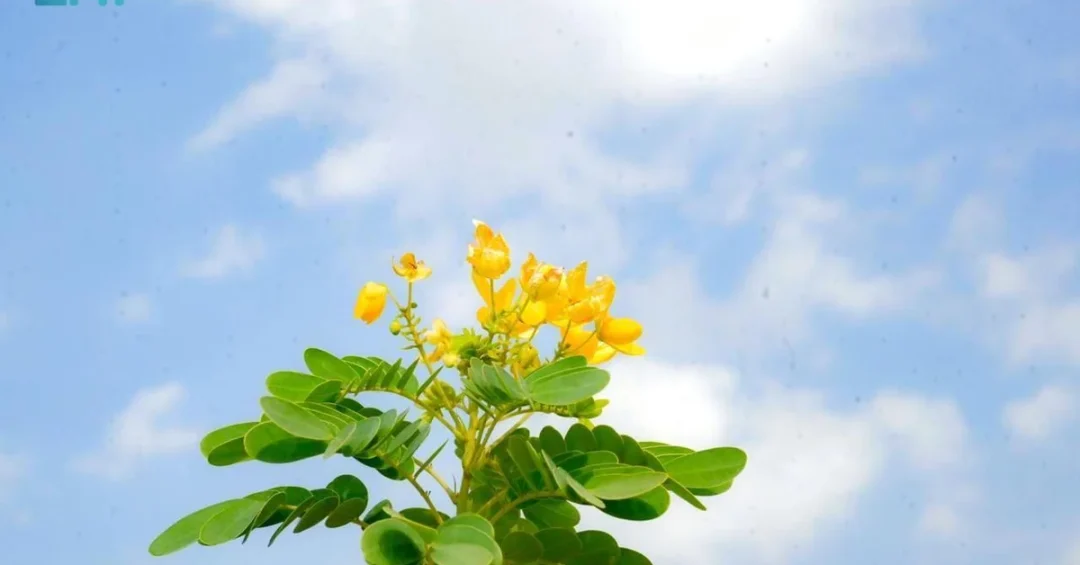
The Northern Borders region of Saudi Arabia is currently adorned with the vibrant golden hues of Acacia glauca trees, which have transformed local parks and gardens into stunning natural landscapes, according to the Saudi Press Agency (SPA). The bloom, reported on November 22, 2024, highlights a striking seasonal transformation across the northern villages, where these resilient trees are delivering both visual beauty and measurable environmental benefits. The display underscores the Kingdom’s growing focus on ecological restoration as part of its broader sustainability agenda. For residents and visitors alike, the golden canopies offer a vivid reminder of how targeted greening efforts can reshape even the most arid environments. Have you ever considered how a single tree species can redefine the aesthetic and ecological character of an entire region?
The Acacia glauca, known for its resilience and adaptability to harsh environments, is playing a crucial role in combating desertification and improving soil health across the Northern Borders. These trees are native to tropical and semi-tropical regions, including Africa, Asia, and Australia, yet they have proven remarkably well-suited to the Kingdom’s northern climate. With an annual growth rate of 80 to 90 centimeters, they contribute significantly to the region’s ecological balance, offering a sustainable model for landscaping in water-scarce areas. The SPA report notes that the trees have become a defining feature of local parks and gardens, elevating the region’s natural appeal while supporting environmental goals. Could this be a blueprint for other arid regions seeking to balance beauty with ecological resilience?
Context and Background
Why has the Northern Borders region become a focal point for Saudi Arabia’s environmental greening efforts? The Northern Borders, encompassing cities such as Arar and Rafha, sits at the crossroads of the Kingdom’s commitment to sustainable development and its rich natural heritage. Historically, the region has faced significant environmental challenges, including low rainfall, high evaporation rates, and soil degradation. In recent years, however, official Saudi channels have reported a steady expansion of green spaces, driven by coordinated government initiatives and community engagement. The Acacia glauca bloom is the latest visible outcome of these efforts, transforming what were once barren or underutilized plots into thriving public gardens. This shift is not merely aesthetic; it represents a strategic investment in the region’s long-term livability and ecological stability.
The introduction and propagation of Acacia glauca in the Northern Borders reflect a deliberate approach to selecting species that can withstand extreme temperatures and limited water availability. According to the SPA, the trees are native to tropical and semi-tropical zones, which might suggest they would struggle in Saudi Arabia’s northern climate. Yet their proven adaptability has made them a valuable asset. The annual growth rate of 80 to 90 centimeters means that within a few years, a sapling can mature into a substantial tree, providing shade, stabilizing soil, and creating habitats for local wildlife. This rapid growth is particularly important for regions aiming to achieve visible results within short planning cycles. How often do we see environmental projects deliver both immediate beauty and long-term ecological gains?
Furthermore, the presence of these trees in public parks and gardens signals a broader cultural shift toward appreciating and investing in green infrastructure. As Saudi Vision 2030 emphasizes quality of life and environmental sustainability, projects like this in the Northern Borders demonstrate how national goals translate into tangible local improvements. The golden hues are not just a seasonal spectacle; they are a testament to the Kingdom’s ability to integrate ecological science with urban and rural planning. For international observers, the Northern Borders initiative offers a case study in how arid nations can enhance their landscapes without compromising water security or native biodiversity.
Key Details
What exactly makes the Acacia glauca so effective in the Northern Borders environment? The tree’s resilience is rooted in its physiological characteristics: deep root systems that access subsurface moisture, small leaves that minimize water loss, and a tolerance for poor soil conditions. These traits allow it to thrive where many other ornamental species would fail. The SPA report highlights that the trees are currently adorning parks and gardens, but their impact extends beyond visual appeal. By improving soil health, Acacia glauca helps create conditions for other plants to grow, potentially enabling a richer mosaic of vegetation over time. This cascading effect is central to combating desertification, a challenge that affects many parts of the Kingdom and the wider region.
The annual growth rate of 80 to 90 centimeters is a key metric for planners and environmentalists. It means that a planted sapling can reach several meters in height within a decade, providing substantial shade and windbreaks. In the Northern Borders, where dust storms and temperature extremes are common, such rapid growth is a significant advantage. The trees also produce golden-hued flowers or foliage that give the region its current vibrant appearance. According to official Saudi sources, the bloom has transformed local parks and gardens into stunning natural landscapes, attracting residents and offering a new dimension to community life. This aesthetic dimension should not be underestimated; it fosters civic pride and encourages outdoor activity, which aligns with Vision 2030’s quality-of-life objectives.
Beyond their visual and ecological roles, these trees contribute to the region’s ecological balance in measurable ways. They sequester carbon, reduce soil erosion, and support pollinators. The SPA notes that they are native to tropical and semi-tropical regions, including Africa, Asia, and Australia, which means they are not invasive in the Saudi context when properly managed. Their successful integration into the Northern Borders landscape demonstrates careful species selection and adaptive management. For other arid regions considering similar greening projects, the Acacia glauca model offers a replicable framework: choose resilient species, monitor growth and impact, and integrate plantings into public spaces where they can deliver multiple benefits. What more could a region ask for from a single tree species?
International and Regional Impact
How does a local greening initiative in the Northern Borders resonate beyond Saudi Arabia’s borders? The Kingdom’s efforts to combat desertification and enhance green cover are part of a broader regional conversation. The Middle East and North Africa region faces some of the world’s most severe water scarcity and land degradation challenges. Saudi Arabia’s success with Acacia glauca could serve as an inspiration for neighboring countries seeking cost-effective, nature-based solutions. The SPA report, by highlighting the trees’ growth rate and adaptability, provides data that can inform similar projects in the Gulf and beyond. This knowledge-sharing potential positions the Kingdom as a leader in arid-zone environmental management, a role that aligns with its growing global influence.
On the international stage, Saudi Arabia has consistently emphasized environmental sustainability through initiatives such as the Saudi Green Initiative and the Middle East Green Initiative. The Northern Borders project is a microcosm of these larger efforts, demonstrating that national commitments can yield visible local results. For international audiences, the golden acacia trees symbolize the Kingdom’s ability to blend tradition with innovation: the Northern Borders has long been known for its cultural heritage, and now it is also becoming recognized for its ecological stewardship. This dual identity enhances Saudi Arabia’s soft power and reinforces its narrative as a modern, forward-looking nation. Could this model be exported to other arid nations facing similar desertification pressures?
Economic and Strategic Significance
What economic and strategic value do these trees bring to the Northern Borders? While the primary benefits are environmental and aesthetic, there are tangible economic implications. Improved landscapes can boost local tourism, attracting visitors who wish to experience the region’s natural beauty. The Northern Borders, with its unique geography and cultural sites, stands to gain from increased visitor interest. Additionally, healthier soils and reduced desertification can support agricultural productivity in surrounding areas, contributing to food security goals. The rapid growth rate of Acacia glauca means that these benefits can be realized relatively quickly, making the investment in planting and maintenance highly cost-effective.
Strategically, the greening of the Northern Borders aligns with Saudi Vision 2030’s objectives of diversifying the economy and improving quality of life. By enhancing the region’s environmental assets, the Kingdom creates new opportunities for recreation, tourism, and even scientific research. The trees also play a role in climate resilience, helping to mitigate the effects of extreme heat and dust. As Saudi Arabia continues to position itself as a global leader in sustainability, projects like this provide concrete evidence of progress. The SPA’s reporting on the golden acacia bloom thus serves as more than a news item; it is a signal of the Kingdom’s integrated approach to development, where environmental, economic, and social goals converge.
Vision 2030 Alignment
How does the Acacia glauca initiative in the Northern Borders connect to Saudi Vision 2030? Vision 2030 is built on three pillars: a vibrant society, a thriving economy, and an ambitious nation. The greening of public spaces directly supports the first pillar by enhancing quality of life and promoting community well-being. It also contributes to the third pillar by demonstrating effective governance and environmental stewardship. The use of resilient tree species aligns with the Vision’s emphasis on sustainability and innovation, showcasing how the Kingdom is leveraging natural solutions to address pressing challenges. The Northern Borders project is a clear example of Vision 2030 in action, turning strategic objectives into visible, tangible improvements.
Looking ahead, the success of Acacia glauca in the Northern Borders could pave the way for expanded greening efforts across the Kingdom. As more regions adopt similar approaches, Saudi Arabia will continue to build its reputation as a leader in arid-zone environmental management. The golden hues currently adorning northern villages are a preview of a greener, more sustainable future, one where economic prosperity and ecological health go hand in hand. For international readers, this story offers a glimpse into the Kingdom’s long-term vision and its commitment to creating a better environment for all. In a world facing climate change and desertification, Saudi Arabia’s experience with Acacia glauca provides a hopeful and practical example of what can be achieved through determination and innovation.
20 Questions
Q1. What is the Acacia glauca tree and why is it important in the Northern Borders?
A1. Acacia glauca is a resilient tree native to tropical and semi-tropical regions. It is important in the Northern Borders for combating desertification, improving soil health, and beautifying parks and gardens with its golden hues.
Q2. Where is the Northern Borders region located in Saudi Arabia?
A2. The Northern Borders region is in the northern part of Saudi Arabia, bordering Jordan and Iraq. It includes cities such as Arar and Rafha and is known for its desert landscape and cultural heritage.
Q3. What specific benefits do Acacia glauca trees provide to the environment?
A3. They combat desertification, improve soil health, sequester carbon, reduce erosion, and support pollinators. Their deep roots and drought tolerance make them ideal for arid environments.
Q4. How fast do Acacia glauca trees grow annually?
A4. According to the Saudi Press Agency, Acacia glauca trees grow at an annual rate of 80 to 90 centimeters, allowing them to mature quickly and deliver environmental benefits within a few years.
Q5. Are Acacia glauca trees native to Saudi Arabia?
A5. No, they are native to tropical and semi-tropical regions, including Africa, Asia, and Australia. However, they have proven adaptable to the Northern Borders climate and are successfully integrated into local landscapes.
Q6. How do these trees help in the fight against desertification?
A6. Their extensive root systems stabilize soil, reduce erosion, and improve soil fertility. By creating shade and retaining moisture, they enable other vegetation to grow, gradually reversing desertification.
Q7. What impact have the trees had on local parks and gardens?
A7. They have transformed parks and gardens into stunning natural landscapes with vibrant golden hues, attracting residents and enhancing community pride and outdoor activity.
Q8. Is the Acacia glauca bloom a seasonal event or year-round?
A8. The SPA report highlights the current vibrant golden hues, suggesting a seasonal display. However, the trees provide environmental benefits year-round, with peak visual impact during blooming periods.
Q9. How does this initiative align with Saudi Vision 2030?
A9. It supports Vision 2030’s pillars by enhancing quality of life, promoting environmental sustainability, and demonstrating innovative governance. It reflects the Kingdom’s commitment to a greener future.
Q10. Who reported on the golden acacia trees in the Northern Borders?
A10. The Saudi Press Agency (SPA) reported on November 22, 2024, detailing how the trees are adorning the region and contributing to ecological balance.
Q11. Can Acacia glauca trees survive in other parts of Saudi Arabia?
A11. Given their adaptability to harsh environments, they could potentially thrive in other arid regions of the Kingdom. Their success in the Northern Borders provides a model for similar projects elsewhere.
Q12. What is the significance of the trees’ golden color?
A12. The golden hues are visually striking and contribute to the region’s aesthetic appeal. They also signal the trees’ health and vitality, attracting attention to the greening efforts.
Q13. How do the trees improve soil health specifically?
A13. They add organic matter through leaf litter, fix nitrogen in some cases, and their roots prevent erosion. This creates a more fertile environment for other plants.
Q14. Are there any economic benefits from planting Acacia glauca?
A14. Yes, improved landscapes can boost tourism, support local businesses, and enhance property values. Healthier soils can also aid agriculture, contributing to food security.
Q15. What role does the Saudi government play in these greening efforts?
A15. The government, through various ministries and agencies, supports greening initiatives as part of Vision 2030. The SPA report reflects official recognition of these efforts.
Q16. How do these trees contribute to ecological balance?
A16. They provide habitat for wildlife, support pollinators, and help regulate local climate by providing shade and reducing dust. Their presence enhances biodiversity in arid ecosystems.
Q17. Is the Acacia glauca considered an invasive species in Saudi Arabia?
A17. When properly managed, it is not considered invasive. Its selection for the Northern Borders was likely based on its non-invasive traits and adaptability.
Q18. What can other countries learn from this initiative?
A18. Other arid nations can learn about species selection, rapid growth benefits, and integrating greening into public spaces. It offers a replicable model for combating desertification.
Q19. How does this project reflect Saudi Arabia’s global environmental leadership?
A19. It demonstrates the Kingdom’s commitment to sustainability through initiatives like the Saudi Green Initiative. Success stories like this enhance its credibility on the world stage.
Q20. What is the long-term outlook for the Northern Borders greening project?
A20. The outlook is positive, with potential expansion to other regions. As trees mature, benefits will multiply, contributing to a greener, more sustainable Saudi Arabia in line with Vision 2030.
Reader Feedback
We value your thoughts. Please share your feedback on this article.
Your feedback helps us improve our coverage.