


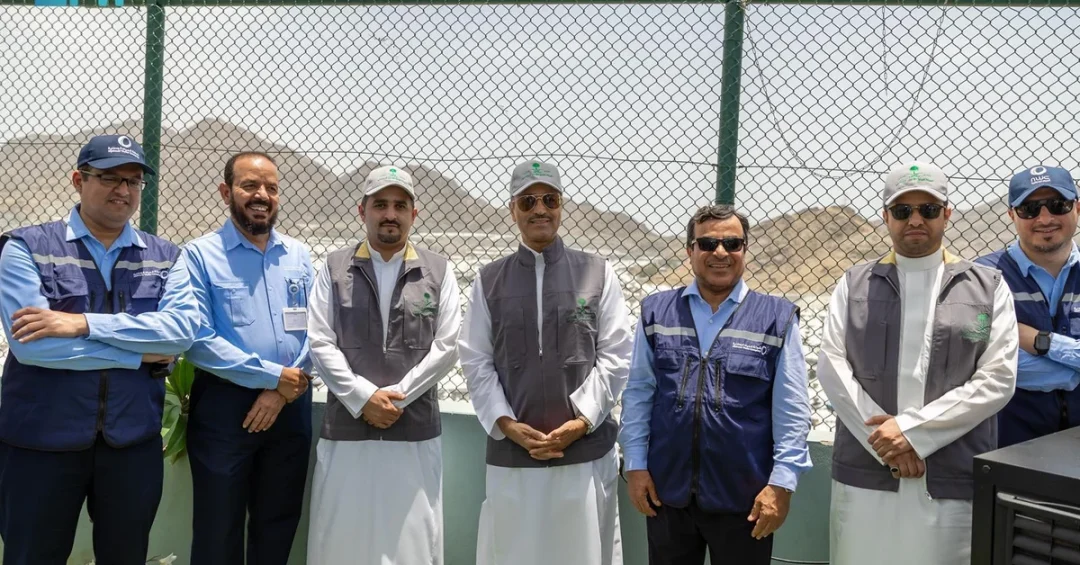
In a move underscoring the Kingdom’s commitment to pilgrim safety, the Governor of the Supreme Commission for Industrial Security (SCIS), Eng. Aali bin Mohammed Al-Zahrani, led an inspection of the water sector’s technical systems and operational readiness in Mina during the 2024 Hajj season. The governor, accompanied by several leaders of the authority, reviewed the progress of operational processes and the preparedness of the safety and industrial security sector affiliated with the National Water Company in Mina. This inspection aligns with the joint and complementary work between SCIS and all facilities under its supervision to enhance the highest levels of complete readiness to serve the pilgrims.
Context and Background
The Hajj season, one of the largest annual gatherings of pilgrims in the world, places immense demands on infrastructure, particularly water supply and safety systems. The Supreme Commission for Industrial Security (SCIS) is a key government body responsible for safeguarding critical infrastructure and ensuring compliance with industrial security regulations across the Kingdom. Its oversight extends to all facilities that play a vital role in public welfare, including water distribution networks. In Mina, where pilgrims spend several days in tents and communal areas, reliable water supply and strict safety measures are paramount to prevent accidents and health risks.
This inspection tour is part of the annual Hajj preparedness cycle, where various government entities coordinate to meet the needs of over a million pilgrims. The National Water Company operates extensive water treatment, storage, and distribution infrastructure in the holy sites, ensuring that clean water is available 24/7 for consumption, sanitation, and emergency use. SCIS’s involvement emphasizes the importance of integrating industrial security protocols with everyday service delivery, especially in such a high-stakes environment.
Key Details of the Inspection
During the visit, the governor and his delegation inspected the technical systems that monitor water pressure, quality, and leakage in Mina’s network. They examined the progress of operational processes, ensuring that all systems are running at optimal efficiency. The delegation also reviewed the readiness of the safety and industrial security teams stationed at various water facilities, confirming that they are equipped with the latest tools and training to handle any situation. Eng. Al-Zahrani stressed that the joint work between SCIS and the National Water Company reflects the leadership’s commitment to providing the highest standard of service and safety to the pilgrims.
The inspection focused not only on the physical infrastructure but also on the communication channels and emergency response plans. SCIS leaders evaluated the coordination between water company staff and other security agencies to ensure a rapid and effective response in case of any incident. This holistic approach is designed to minimize risks and prevent disruptions, ensuring that the Hajj experience is smooth and secure for all participants.
Implications and Impact
The inspection tour is more than a routine check; it underscores the Kingdom’s strategic vision to integrate safety and efficiency across all service sectors. For the international community, this signals that Saudi Arabia is adopting proactive measures to ensure the well-being of pilgrims from over 150 countries. The water sector is often a lifeline in such large gatherings; any failure could lead to health crises. By conducting such thorough reviews, SCIS ensures that the water supply remains robust, clean, and accessible, reducing health risks and enhancing the overall pilgrimage experience.
Additionally, the collaboration between SCIS and the National Water Company sets a precedent for public-private partnership in safety management. It showcases how Saudi Arabia is leveraging technology and rigorous oversight to achieve the highest safety standards. This is particularly relevant as the Kingdom prepares to welcome increasing numbers of pilgrims and tourists under Vision 2030’s broader tourism expansion goals.
Vision 2030 Alignment
This inspection aligns seamlessly with Saudi Arabia’s Vision 2030, a comprehensive blueprint to transform the Kingdom’s economy and society. Vision 2030 places a high priority on improving the quality of life for citizens, residents, and visitors. Ensuring the safety and efficiency of essential services like water supply is a foundational element in that mission. Moreover, the use of advanced technical systems and adherence to strict industrial security standards reflect the Kingdom’s drive toward technological advancement and world-class infrastructure. As Vision 2030 unfolds, such proactive measures ensure that Saudi Arabia remains a model of exceptional organization and safety for global audiences.
20 Questions
Q1. What is the Supreme Commission for Industrial Security (SCIS)?
A1. The Supreme Commission for Industrial Security is a Saudi government entity responsible for developing and enforcing security standards for industrial and service facilities across the Kingdom. It ensures compliance with safety protocols and works to protect infrastructure and personnel from threats.
Q2. Who is the Governor of SCIS?
A2. The Governor is Eng. Aali bin Mohammed Al-Zahrani. He leads the authority in its mission to promote industrial safety and security, ensuring that all facilities meet the highest standards of readiness and operational integrity.
Q3. Why did the Governor inspect the water sector in Mina?
A3. The inspection was part of the annual Hajj preparedness to ensure that the water supply infrastructure in Mina is safe, operational, and ready to serve the millions of pilgrims. It guarantees that the water services run efficiently and without disruptions during the holy season.
Q4. Which agency manages the water sector in Mina?
A4. The National Water Company (NWC) manages the water sector in Mina, overseeing the treatment, distribution, and waste management of water resources. The NWC is the primary supplier of water services across Saudi Arabia, including the holy sites.
Q5. What did the inspection tour include?
A5. The tour included a review of technical systems, operational processes, and the readiness of safety and industrial security sector affiliated with the National Water Company. This involves checking water quality, pressure, equipment, and emergency response capabilities.
Q6. Why is water safety crucial during Hajj?
A6. With millions of pilgrims gathering in confined spaces, water is needed for drinking, sanitation, and fire safety. Any contamination or shortage could lead to health outbreaks or dangerous incidents. Ensuring water safety is essential to prevent illness and protect life.
Q7. How does SCIS contribute to Hajj security?
A7. SCIS works with all facilities under its supervision to enhance the highest levels of readiness and safety. For the Hajj, it inspects infrastructure and systems like water and electricity, ensuring they meet strict industrial security standards to prevent accidents.
Q8. What are the operational processes mentioned in the inspection?
A8. Operational processes refer to the day-to-day operations of water supply, including pumping, monitoring quality, and distributing water. The Governor checked that these processes are optimized and functioning reliably under the high demand of the Hajj.
Q9. Who else is involved in ensuring water safety during Hajj?
A9. Besides SCIS and NWC, the Saudi Ministry of Health, the General Authority of Civil Defense, and the Ministry of Environment, Water, and Agriculture also play a role in ensuring water quality and safety. They work in coordination with SCIS.
Q10. How does this inspection align with Vision 2030?
A10. Vision 2030 emphasizes raising the quality of life and providing top-notch services to residents and visitors. This inspection demonstrates the Kingdom’s commitment to adopting advanced security and safety protocols that meet international standards.
Q11. What specific technical systems were reviewed?
A11. The technical systems likely include automated water quality monitoring, supply control systems, leakage detection sensors, and pressure control mechanisms. The inspection ensures these systems are accurate and responsive to real-time conditions.
Q12. How are water safety procedures tested?
A12. The National Water Company conducts regular drills and emergency exercises to test their response plans. They also sample water quality and the equipment to ensure that any contamination or technical failure is quickly detected and addressed.
Q13. What is the operational status of the water systems in Mina?
A13. According to the inspection, the systems are fully operational and ready for the peak demand of the Hajj. The Governor found that the operational processes and safety measures are in line with the required standards, ensuring continuity.
Q14. How does the SCIS measure the readiness of the safety sector?
A14. SCIS uses a set of criteria to evaluate readiness, including staff training, equipment availability, emergency plans, and the condition of safety systems. The inspection confirms that all these elements are at the appropriate level for the Hajj.
Q15. Why is Mina a critical location for water infrastructure?
A15. Mina is a large tent city where pilgrims reside for several days during the Hajj. It is a high-density area, so the water network must be able to supply millions of liters daily for consumption, cleaning, and firefighting. Any failure would jeopardize the wellbeing of the pilgrims.
Q16. What is the role of the National Water Company in Hajj?
A16. The National Water Company is responsible for managing the water supply infrastructure, including treatment and distribution. They also handle wastewater and stormwater management, ensuring the facilities are clean and safe for the pilgrims.
Q17. How does the inspection promote international confidence in Saudi Arabia?
A17. By publicly conducting thorough inspections and maintaining transparent processes, the Kingdom shows the world that it is committed to ensuring safety and comfort for visitors from every nation. This reassures international pilgrims and the global community.
Q18. Are there any follow-up actions after the inspection?
A18. Typically, after inspection, SCIS issues a report with recommendations and ensures any deficiencies are corrected. The Governor emphasized that the authority will continue to work with the water company to keep the systems robust until the end of the season.
Q19. How can the general public view the inspection outcomes?
A19. The official Saudi Press Agency (SPA) and other government media report the outcomes. The public can see that the Kingdom is taking active steps to safeguard pilgrims, which is part of the trust in the Saudi authorities.
Q20. What does this inspection signal for the future of Hajj services?
A20. It signals that the Kingdom is using a proactive, integrated approach to manage the growing number of pilgrims. The continuous improvement of safety measures, supported by technology and collaboration, will enable the country to host even larger events with confidence.
Reader Feedback
We value your thoughts. Please share your feedback on this article.
Your feedback helps us improve our coverage.