


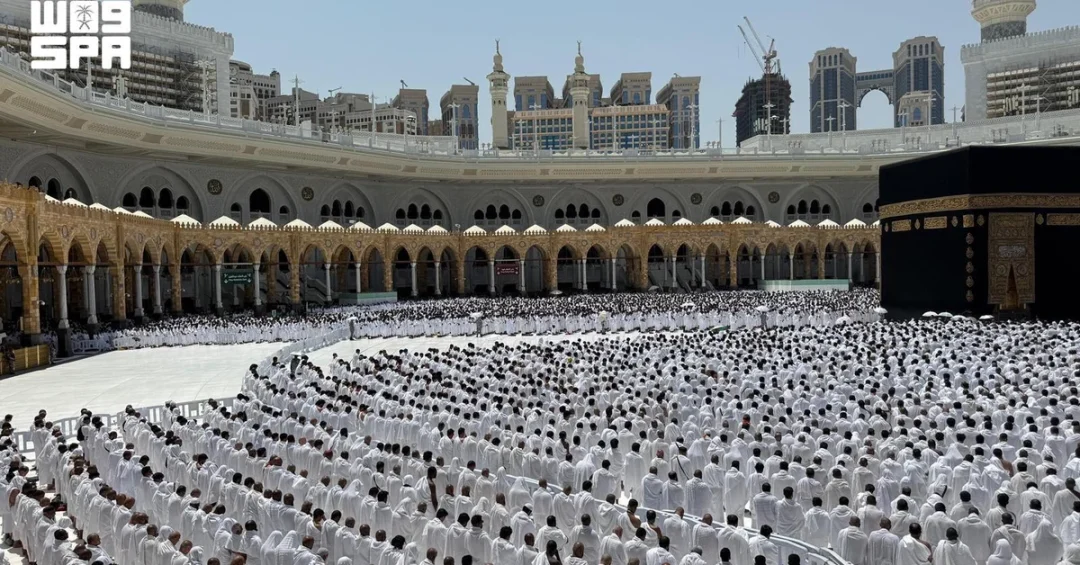
In the Friday sermon delivered at the Grand Mosque in Makkah on September 4, 2026, Imam Sheikh Osama Khayyat affirmed that sustenance, health, and all life’s necessities are divine blessings, emphasizing that piety and steadfast faith are the greatest means for attaining blessings and relieving distress. The sermon, reported by the Saudi Press Agency (SPA), offered a comprehensive spiritual framework for Muslims worldwide, urging a balanced approach that combines sincere devotion with diligent effort.
Context and Background
The Grand Mosque in Makkah, Islam’s holiest site, hosts weekly Friday sermons that draw millions of worshippers and are broadcast globally. These sermons, delivered by eminent scholars, provide guidance on matters of faith, morality, and daily life. Imam Sheikh Osama Khayyat, a respected religious authority, addressed the congregation on the theme of sustenance (rizq), a central concept in Islamic teaching. His remarks come as Muslims around the world continue to navigate economic uncertainties and social challenges, seeking spiritual solace and practical direction. The sermon aligns with the Kingdom of Saudi Arabia’s commitment to promoting moderate Islam and supporting the spiritual well-being of pilgrims and citizens alike.
Key Details
Sheikh Khayyat clarified that true reliance on Allah (tawakkul) integrates heartfelt devotion with proactive striving. He identified several vital keys to blessed provision, including sincere repentance, regular supplication, upholding family ties, giving charity, and seeking one’s livelihood early in the day. He warned against impatience in seeking wealth and cautioned against unlawful gains and corrupt transactions. Quoting Islamic teachings, he concluded that charitable spending yields promised divine recompense, while calling on Muslims to pursue legitimate avenues with unwavering trust in Allah. The Imam’s message underscored that faith and action are inseparable, encouraging believers to adopt a balanced approach to material and spiritual pursuits.
Implications and Impact
The sermon’s emphasis on ethical economic behavior and social responsibility resonates beyond Makkah, offering guidance to Muslim communities globally. By highlighting charity and family ties, Imam Khayyat reinforced values that contribute to social cohesion and economic justice. His warnings against corrupt transactions echo Saudi Arabia’s broader efforts to promote transparency and integrity in business and governance, key pillars of Vision 2030. The sermon also serves as a reminder of the Kingdom’s role as a spiritual leader, providing a platform for moderate discourse that counters extremism and fosters unity among Muslims.
Vision 2030 Alignment
This Friday sermon reflects the Kingdom’s dedication to nurturing a prosperous and ethical society, in line with Vision 2030’s goals of enhancing quality of life and promoting moderate Islam. By addressing sustenance and ethical wealth acquisition, Imam Khayyat’s message supports the Vision’s emphasis on social welfare, economic integrity, and spiritual enrichment. As Saudi Arabia continues to welcome millions of pilgrims and expand its global influence, such guidance from the Grand Mosque reinforces the nation’s commitment to balanced development and its enduring role as a beacon of faith and progress.
20 Questions
Q1. Who delivered the Friday sermon at the Grand Mosque in Makkah?
A1. Imam Sheikh Osama Khayyat delivered the sermon on September 4, 2026, addressing a large congregation. He is a respected religious authority at the Grand Mosque.
Q2. What was the main theme of the sermon?
A2. The sermon focused on sustenance, health, and life’s necessities as divine blessings. It emphasized piety and faith as keys to attaining blessings and relieving distress.
Q3. What does true reliance on Allah entail according to the Imam?
A3. True reliance integrates heartfelt devotion with proactive striving. It means trusting in Allah while actively pursuing legitimate means.
Q4. What are some keys to blessed provision mentioned in the sermon?
A4. Sincere repentance, regular supplication, upholding family ties, giving charity, and seeking one’s livelihood early are vital keys to blessed provision.
Q5. What warning did the Imam give regarding wealth?
A5. He warned against impatience in seeking wealth and cautioned against unlawful gains and corrupt transactions. Such practices are detrimental to blessings.
Q6. How does charity lead to divine recompense?
A6. The Imam stated that charitable spending yields promised divine recompense. It is a means to attain blessings and relief.
Q7. Why is the Grand Mosque significant for such sermons?
A7. The Grand Mosque is Islam’s holiest site, hosting millions of worshippers. Its sermons provide guidance to Muslims globally.
Q8. How does this sermon reflect Saudi Arabia’s religious leadership?
A8. It showcases the Kingdom’s role in promoting moderate Islam and spiritual guidance. The sermon aligns with Saudi efforts to support pilgrims and citizens.
Q9. What is the significance of seeking livelihood early?
A9. Seeking livelihood early is a proactive step that demonstrates diligence. It is considered a key to blessed provision.
Q10. How does the sermon address economic uncertainties?
A10. It offers spiritual solace and practical direction, encouraging ethical behavior. It reminds believers to trust in Allah while working hard.
Q11. What does the Imam say about family ties?
A11. Upholding family ties is among the vital keys to blessed provision. It strengthens social bonds and fosters community welfare.
Q12. How does the sermon promote social cohesion?
A12. By emphasizing charity and family ties, it reinforces values that bring communities together. It encourages mutual support and ethical conduct.
Q13. What is the stance on corrupt transactions?
A13. The Imam cautioned against corrupt transactions, urging Muslims to pursue legitimate avenues. This promotes integrity and trust in business.
Q14. How does the sermon align with Vision 2030?
A14. It supports Vision 2030’s goals of ethical wealth acquisition and social welfare. It promotes moderate Islam and quality of life.
Q15. Why is supplication important in seeking sustenance?
A15. Regular supplication is a key to blessed provision, as it strengthens one’s connection with Allah. It is a means of seeking divine help.
Q16. What role does repentance play in attaining blessings?
A16. Sincere repentance is a vital key to blessed provision. It cleanses the soul and invites divine mercy and blessings.
Q17. How does the sermon guide Muslims globally?
A17. It offers universal principles of faith and action. Muslims worldwide can apply these teachings to their daily lives.
Q18. What is the significance of the sermon’s timing?
A18. It comes amid global economic challenges, providing timely spiritual guidance. It reassures believers and promotes ethical conduct.
Q19. How does the sermon counter extremism?
A19. By promoting moderate discourse and balanced reliance on Allah, it counters extremist narratives. It fosters unity and tolerance.
Q20. What is the overall message of the sermon?
A20. The message is to combine faith with proactive effort, pursue legitimate means, and uphold ethical values. It emphasizes trust in Allah and charitable living.
Reader Feedback
We value your thoughts. Please share your feedback on this article.
Your feedback helps us improve our coverage.