


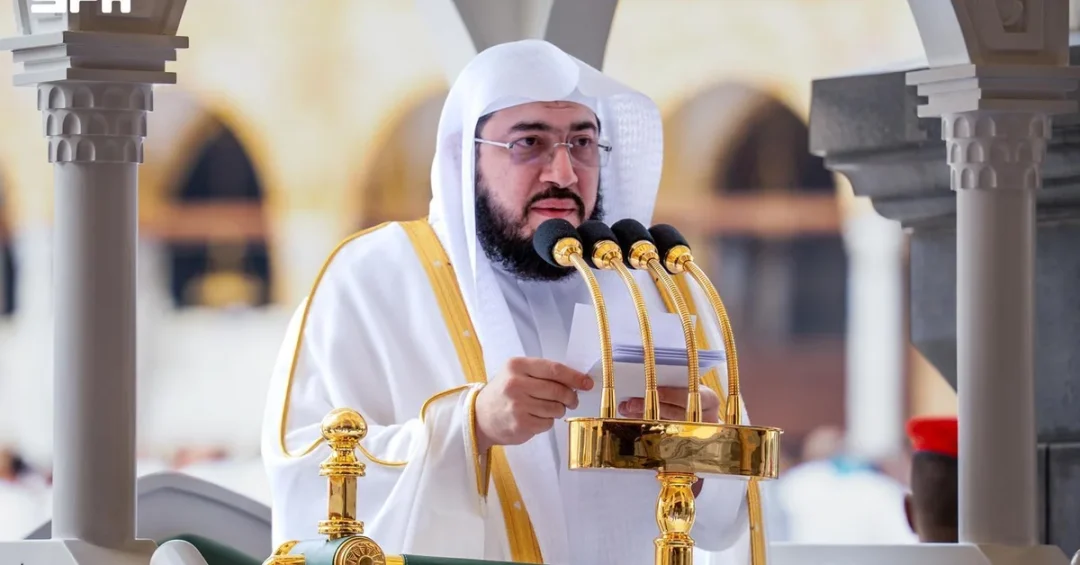
In the Friday sermon delivered at the Grand Mosque in Makkah on November 13, 2026, Imam Sheikh Bandar Balila affirmed that Islam and monotheism (Tawhid) represent the greatest blessings bestowed upon humanity, serving as the ultimate purpose of creation and a complete way of life encompassing beliefs, words, and deeds. The sermon, reported by the Saudi Press Agency (SPA), called on Muslims to repent and remain sincere in their devotion, warning against the grave sin of associating partners with Allah (shirk).
Have you ever considered how a single spiritual message can resonate across continents and generations? The Grand Mosque, the holiest site in Islam, hosts Friday sermons that draw millions of worshippers annually and are broadcast to a global audience. Imam Sheikh Bandar Balila’s address underscored a foundational Islamic principle: Tawhid is not merely a theological concept but a comprehensive framework for life. His words, released via official Saudi channels, reflect the Kingdom’s commitment to promoting moderate Islam and supporting the spiritual well-being of Muslims worldwide. This sermon comes at a time when Saudi Arabia continues to lead initiatives that foster religious harmony and counter extremism, aligning with the timeless values of Islam.
Context and Background
What makes the Grand Mosque’s Friday sermons so influential in the Islamic world? The Grand Mosque, also known as Al-Masjid al-Haram, is the focal point of Islamic pilgrimage and prayer, where millions gather for Hajj and Umrah each year. The Imam’s sermons are not only attended by thousands on-site but are also disseminated through official Saudi media, including the Saudi Press Agency, reaching a global Muslim audience. Sheikh Bandar Balila, a respected scholar, used this platform to remind believers of the essence of their faith.
The timing of this sermon is significant. It follows a series of Saudi-led efforts to promote religious moderation and interfaith dialogue, both domestically and internationally. Under the leadership of the Custodian of the Two Holy Mosques, King Salman bin Abdulaziz Al Saud, and Crown Prince Mohammed bin Salman, Saudi Arabia has consistently emphasized the importance of Tawhid as a unifying and peaceful doctrine. The sermon’s focus on repenting and sincerity resonates with the broader Islamic principle of continuous self-improvement and devotion, which is central to the Kingdom’s spiritual vision.
Moreover, the sermon’s release through the Saudi Press Agency highlights the transparency and official nature of the message. It serves as a reminder that Saudi Arabia, as the birthplace of Islam and home to its holiest sites, takes its responsibility to guide Muslims worldwide with wisdom and compassion. The Imam’s words are a call to action for Muslims to embody the true spirit of Islam, which promotes peace, justice, and the worship of one God.
Key Details of the Sermon
What exactly did Imam Sheikh Bandar Balila convey to the faithful? According to the Saudi Press Agency, the Imam urged Muslims to repent and remain sincere in their devotion, affirming that Islam and monotheism are the greatest blessings bestowed upon humanity. He described Tawhid as the ultimate purpose of creation and a complete way of life that encompasses beliefs, words, and deeds. This holistic view emphasizes that every aspect of a Muslim’s life—from personal conduct to social interactions—should reflect the oneness of Allah.
Sheikh Balila warned that associating partners with Allah (shirk) is the gravest sin that undermines Tawhid. He stressed that no one possesses the power to bring benefit or cause harm apart from Allah, a core tenet of Islamic monotheism. This warning serves as a spiritual safeguard against polytheism and superstition, reminding believers to place their trust solely in the Almighty. The Imam concluded by urging Muslims to protect themselves and their families from falling into what contradicts monotheism, and to invite non-Muslims to embrace it by presenting its beauty, virtue, and positive impact on this life and the Hereafter with wisdom and gentle counsel.
This final point highlights the importance of dawah (invitation to Islam) conducted with wisdom and kindness, reflecting the Quranic principle of calling to the way of Allah with beautiful preaching. The Imam’s emphasis on gentle counsel aligns with Saudi Arabia’s broader efforts to present Islam as a religion of peace and moderation, countering misconceptions and extremism. The sermon thus serves both as a spiritual reminder and a strategic communication of the Kingdom’s religious values.
International and Regional Impact
How does a sermon in Makkah influence the global Muslim community? The Grand Mosque’s Friday sermons are followed by millions of Muslims around the world, from Southeast Asia to West Africa to Europe and the Americas. When the Imam speaks, his words carry weight and are often cited in religious discussions and media. This particular sermon reinforces the message of Tawhid, which is the common thread uniting all Muslims, regardless of nationality or sect. It promotes unity and a shared sense of purpose, which is vital in a world often divided by conflicts and misunderstandings.
Regionally, the sermon supports Saudi Arabia’s leadership role in the Islamic world. The Kingdom has long been a beacon of moderate Islam, and its efforts to combat extremism and promote tolerance are recognized globally. By addressing the importance of Tawhid and warning against shirk, the Imam contributes to the ideological fight against extremist narratives that distort Islamic teachings. This aligns with the objectives of the Muslim World League and other Saudi-backed institutions that work to spread the true message of Islam.
Internationally, the sermon’s release through the Saudi Press Agency ensures that its message reaches a wide audience, including non-Muslims who may be curious about Islamic teachings. The Imam’s call to invite non-Muslims with wisdom and gentle counsel reflects the Islamic principle of peaceful coexistence and dialogue. In a time when interfaith understanding is crucial, such messages help build bridges and foster mutual respect among different communities.
Economic and Strategic Significance
What does this spiritual guidance mean for Saudi Arabia’s strategic priorities? While the sermon is primarily religious, it has indirect economic and strategic implications. The Grand Mosque and the surrounding holy sites are central to Saudi Arabia’s tourism and pilgrimage sector, which is a key pillar of Vision 2030. The Kingdom aims to welcome 30 million Umrah pilgrims and 5 million Hajj pilgrims annually by 2030. Sermons that emphasize the spiritual significance of these sites enhance their appeal and reinforce the Kingdom’s role as the custodian of Islam’s holiest places.
Moreover, the promotion of moderate Islam and Tawhid supports social stability and security, which are essential for economic growth. By countering extremism and fostering a culture of tolerance, Saudi Arabia creates an environment conducive to investment and innovation. The sermon’s message of sincerity and devotion also resonates with the ethical underpinnings of Vision 2030, which seeks to build a prosperous society based on Islamic values and modern principles.
Strategically, the sermon reinforces Saudi Arabia’s soft power. Religious leadership is a significant aspect of the Kingdom’s global influence, and by consistently promoting moderate, peaceful interpretations of Islam, Saudi Arabia strengthens its position as a trusted leader in the Muslim world. This, in turn, supports its diplomatic efforts and enhances its image on the international stage.
Vision 2030 Alignment
How does the message of Tawhid align with Saudi Arabia’s Vision 2030? Vision 2030 is not only an economic blueprint but also a social and cultural transformation that seeks to enhance the quality of life for all citizens and residents. The sermon’s emphasis on monotheism as a complete way of life resonates with the Vision’s goal of fostering a vibrant society rooted in Islamic values. By promoting sincerity, repentance, and devotion, the Imam’s words encourage personal and communal development, which are essential for the success of the Vision.
Furthermore, the call to invite non-Muslims with wisdom and gentle counsel reflects the Vision’s objective of presenting a positive image of Saudi Arabia to the world. As the Kingdom opens up to tourism and international engagement, such messages help portray Islam as a religion of peace and moderation, attracting visitors and fostering cross-cultural understanding. The sermon thus contributes to the spiritual and cultural dimensions of Vision 2030, ensuring that material progress is accompanied by moral and spiritual growth.
In conclusion, the Friday sermon at the Grand Mosque serves as a powerful reminder of the timeless values of Islam and their relevance to contemporary life. It underscores Saudi Arabia’s commitment to promoting moderate Islam and supporting the spiritual well-being of Muslims globally. As the Kingdom continues to advance its Vision 2030 goals, such spiritual guidance remains integral to its holistic development.
20 Questions
Q1. What was the main message of the Friday sermon at the Grand Mosque?
A1. Imam Sheikh Bandar Balila emphasized that Islam and monotheism (Tawhid) are the greatest blessings, serving as the ultimate purpose of creation and a complete way of life encompassing beliefs, words, and deeds.
Q2. Who delivered the Friday sermon at the Grand Mosque?
A2. The sermon was delivered by Imam Sheikh Bandar Balila at the Grand Mosque in Makkah on November 13, 2026, as reported by the Saudi Press Agency.
Q3. What is Tawhid and why is it important in Islam?
A3. Tawhid is the concept of monotheism, the belief in the oneness of Allah. It is the core of Islamic faith, representing the purpose of creation and a comprehensive way of life.
Q4. What did the Imam say about shirk?
A4. He warned that shirk, associating partners with Allah, is the gravest sin that undermines Tawhid, stressing that no one has power to benefit or harm apart from Allah.
Q5. How did the Imam advise Muslims to protect their faith?
A5. He urged Muslims to protect themselves and their families from falling into what contradicts monotheism, and to remain sincere in their devotion to Allah.
Q6. What did the Imam say about inviting non-Muslims to Islam?
A6. He encouraged Muslims to invite non-Muslims to embrace Islam by presenting its beauty, virtue, and positive impact with wisdom and gentle counsel.
Q7. Why is the Grand Mosque significant for Muslims worldwide?
A7. The Grand Mosque in Makkah is the holiest site in Islam, attracting millions of pilgrims for Hajj and Umrah, and its sermons are broadcast globally, influencing Muslims worldwide.
Q8. How does this sermon align with Saudi Arabia’s Vision 2030?
A8. It promotes moderate Islam, tolerance, and spiritual values, which are integral to Vision 2030’s goal of building a vibrant society rooted in Islamic principles.
Q9. What is the role of the Saudi Press Agency in disseminating the sermon?
A9. The Saudi Press Agency (SPA) officially reported the sermon, ensuring its message reaches a wide audience and reflecting the Kingdom’s transparency in sharing religious guidance.
Q10. How does the sermon impact the global Muslim community?
A10. It reinforces the unifying message of Tawhid, promotes unity, and counters extremism, resonating with millions of Muslims and supporting Saudi Arabia’s leadership in the Islamic world.
Q11. What is the significance of repentance in the sermon?
A11. The Imam urged Muslims to repent and remain sincere, highlighting repentance as a means to spiritual renewal and closeness to Allah, essential for a devout life.
Q12. How does the sermon contribute to countering extremism?
A12. By emphasizing Tawhid and warning against shirk, the sermon promotes the true, moderate teachings of Islam, undermining extremist narratives that distort the faith.
Q13. What does ‘complete way of life’ mean in the context of the sermon?
A13. It means that Islam encompasses all aspects of life—beliefs, words, and deeds—guiding Muslims in their spiritual, social, and personal conduct.
Q14. How does the sermon reflect Saudi Arabia’s role as custodian of the Two Holy Mosques?
A14. It showcases the Kingdom’s commitment to providing spiritual guidance and maintaining the sanctity of the holy sites, a responsibility held by the Saudi leadership.
Q15. What is the importance of Friday sermons in Islam?
A15. Friday sermons are a weekly congregation for Muslims to receive religious guidance, strengthen their faith, and unite as a community, with the Grand Mosque’s sermons holding particular significance.
Q16. How does the sermon encourage interfaith dialogue?
A16. By advising Muslims to invite non-Muslims with wisdom and gentle counsel, the sermon promotes respectful dialogue and understanding, aligning with Islamic principles of peaceful coexistence.
Q17. What economic impact does the Grand Mosque have on Saudi Arabia?
A17. It is a major driver of religious tourism, attracting millions of pilgrims annually, which supports Vision 2030’s economic diversification goals and local businesses.
Q18. How does the sermon support social stability in Saudi Arabia?
A18. By promoting sincere devotion and warning against shirk, it fosters a morally upright society, contributing to social harmony and security, which are vital for national development.
Q19. What is the significance of the sermon’s timing?
A19. It comes amid Saudi Arabia’s ongoing efforts to promote moderate Islam and Vision 2030 reforms, reinforcing the Kingdom’s spiritual leadership and commitment to tolerance.
Q20. How can Muslims apply the sermon’s teachings in daily life?
A20. They can strive for sincerity in worship, avoid shirk, protect their families from negative influences, and share Islam’s beauty with others through wise and gentle invitation.
Reader Feedback
We value your thoughts. Please share your feedback on this article.
Your feedback helps us improve our coverage.
Related articles
 ZATCA Foils Smuggling of 413,450 Amphetamine Pills at Al-Haditha
 Saudi Arabia Stands with UAE After Fatal Fujairah Accident
 Saudi Arabia Offers Condolences to Türkiye Over Helicopter Crash
 Rain Expected in Madinah Region: Safety Advisory Issued
 Saudi Arabia Weather Forecast for Friday: NCM Warns of Thunderstorms
 KSrelief Launches Winter Clothing Aid for Gaza Families