


The General Authority for the Care of the Grand Mosque and the Prophet’s Mosque has implemented advanced climate control systems in the Grand Mosque of Makkah to ensure a comfortable environment for worshippers year-round, as reported by the Saudi Press Agency (SPA) on May 9, 2024. The sophisticated technology regulates temperatures between 20 and 24 degrees Celsius, adapting to external conditions and the flow of visitors, thereby enhancing the spiritual experience for millions of pilgrims and visitors.
Context and Background
The Grand Mosque, Islam’s holiest site, attracts millions of worshippers annually, with numbers surging during Ramadan and the Hajj season. Maintaining a comfortable indoor climate is essential for the well-being of visitors, especially given Makkah’s extreme heat in summer and cooler winters. The authority’s initiative aligns with Saudi Arabia’s commitment to providing the highest quality services to pilgrims and visitors, a key objective under Vision 2030.
Key Details
According to SPA, the mosque’s climate control system relies on state-of-the-art air handling units (AHUs) that operate at peak efficiency during summer to maintain the ideal temperature range. In winter, usage is reduced due to the naturally cooler climate. Fresh air is drawn from the mosque’s rooftop and undergoes multi-stage purification, including high-performance filters and ultraviolet sterilization, ensuring clean and healthy air circulation throughout the prayer halls.
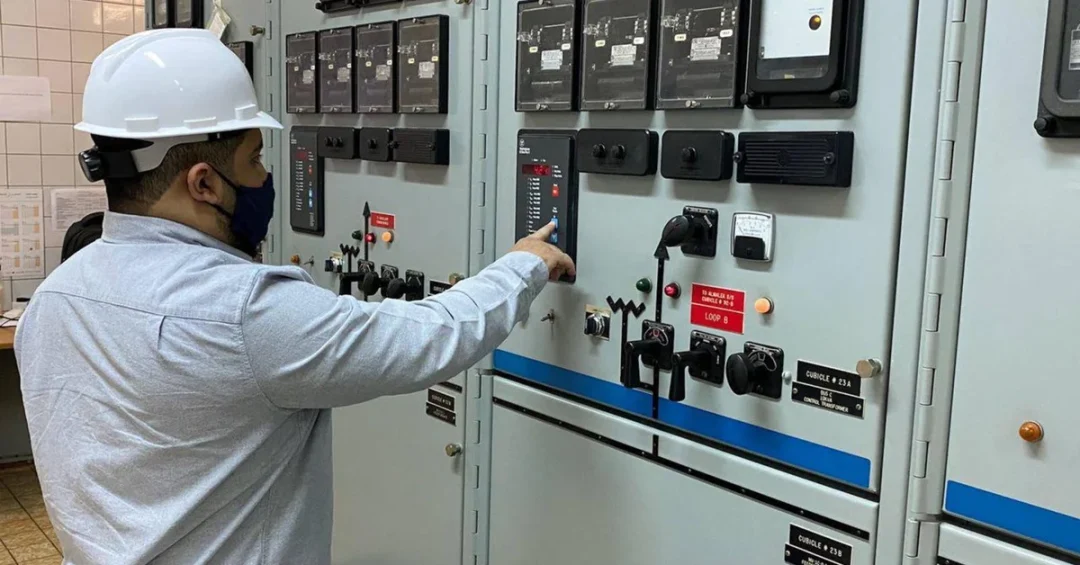
The General Administration for Operation and Maintenance, staffed by skilled Saudi engineers and technicians, continuously monitors temperature, humidity, and airflow. They dynamically adjust airflow to accommodate fluctuating visitor numbers, ensuring optimal thermal comfort and energy efficiency. Maintenance adheres to strict technical guidelines and safety protocols, guaranteeing the safety and well-being of all visitors.
Implications and Impact
The advanced climate control system not only enhances comfort but also symbolizes Saudi Arabia’s dedication to leveraging technology for the benefit of pilgrims. It reflects the Kingdom’s broader efforts to modernize the Two Holy Mosques while preserving their sanctity. The system’s energy-efficient design also contributes to environmental sustainability, in line with global trends and Saudi green initiatives. As the number of visitors continues to grow, such innovations ensure that the Grand Mosque remains a welcoming and healthy place for all.
Vision 2030 Alignment
This initiative exemplifies Vision 2030’s commitment to improving services for pilgrims and visitors, enhancing their spiritual journey and overall experience. By integrating advanced technology and sustainable practices, Saudi Arabia demonstrates leadership in smart mosque management. The focus on operational excellence and visitor well-being paves the way for further innovations, supporting the Kingdom’s ambition to become a global hub for Islamic culture and tourism.
20 Questions
Q1. What is the primary function of the advanced systems in the Grand Mosque?
A1. The advanced systems are designed to regulate temperature and ensure air quality within the Grand Mosque, providing a comfortable and healthy environment for worshippers throughout the year.
Q2. Which Saudi agency is responsible for the Grand Mosque’s climate control?
A2. The General Authority for the Care of the Grand Mosque and the Prophet’s Mosque is responsible, as reported by SPA.
Q3. What temperature range is maintained inside the Grand Mosque?
A3. The internal temperature is maintained between 20 and 24 degrees Celsius, adjusted based on external weather conditions.
Q4. How does the system adapt to summer conditions?
A4. During summer, all air handling units operate at peak efficiency to maintain the cool, ideal temperature range despite the scorching heat.
Q5. How does the system respond to winter weather?
A5. In winter, the use of air handling units is significantly reduced because the natural climate is cooler, requiring less mechanical cooling.
Q6. Where is fresh air drawn from for the mosque’s ventilation?
A6. Fresh air is drawn from the Grand Mosque’s rooftop, ensuring a clean and consistent air supply for the ventilation system.
Q7. What purification processes are used for the air?
A7. The air undergoes multi-stage purification, including high-performance filters to remove dust and other contaminants, and ultraviolet sterilization to eliminate bacteria and germs.
Q8. Why is air purification important in the Grand Mosque?
A8. Air purification is crucial to guarantee clean and healthy air circulation throughout the prayer halls, protecting the health of the many worshippers who gather there.
Q9. Which administration at the authority handles maintenance?
A9. The General Administration for Operation and Maintenance is responsible for continuous monitoring and upkeep of the climate control systems.
Q10. Who are the staff members involved in the system’s operation?
A10. Highly skilled Saudi engineers and technicians continuously monitor temperature, humidity, and airflow, ensuring optimal operation.
Q11. How do technicians manage airflow?
A11. Technicians adapt airflow to fluctuating visitor numbers and density, ensuring thermal comfort while maintaining energy efficiency.
Q12. What safety measures are taken during maintenance?
A12. Maintenance procedures adhere to strict technical guidelines and safety protocols, guaranteeing the safety and well-being of all visitors.
Q13. How does the system contribute to energy efficiency?
A13. By adjusting operations based on weather and visitor numbers, the system minimizes energy use while maintaining comfort, contributing to efficiency.
Q14. What impact does the climate control have on worshippers?
A14. It ensures a comfortable and healthy environment, allowing worshippers to focus on their spiritual activities without discomfort from extreme temperatures.
Q15. How does the system support the environment?
A15. Its energy-efficient design reduces energy consumption, aligning with Saudi Arabia’s environmental sustainability goals and green initiatives.
Q16. What does the system indicate about Saudi Arabia’s technological advancement?
A16. It showcases Saudi Arabia’s adoption of sophisticated technology in managing the holy sites, reflecting its broader commitment to modernization and innovation.
Q17. How does the climate control system align with Vision 2030?
A17. It supports Vision 2030 by enhancing services for pilgrims and visitors, improving their experience, and demonstrating effective resource management.
Q18. What role do Saudi engineers play in this system?
A18. Saudi engineers are central to the system’s operation, highlighting the Kingdom’s investment in developing local expertise and skilled manpower.
Q19. How often is the system monitored?
A19. The system is continuously monitored by the General Administration for Operation and Maintenance, ensuring real-time adjustments and prompt responses.
Q20. What benefits do these systems bring to visitors?
A20. The systems provide a consistent, comfortable climate and clean air, enhancing the overall experience and well-being of millions of visitors.
Reader Feedback
We value your thoughts. Please share your feedback on this article.
Your feedback helps us improve our coverage.