


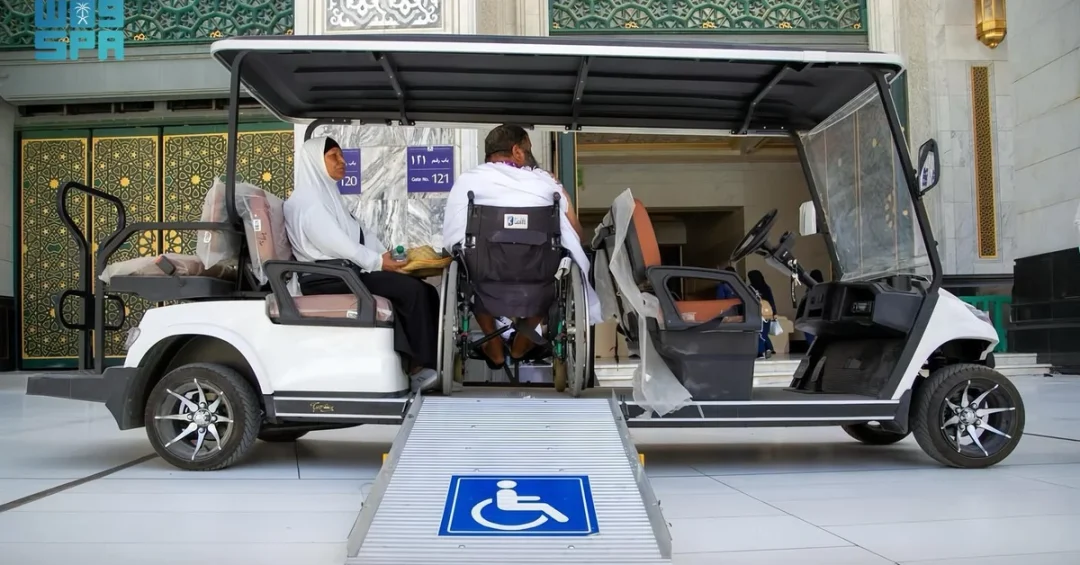
The General Authority for the Care of the Affairs of the Two Holy Mosques is prioritizing the well-being of elderly people and people with disabilities, offering a comprehensive range of services to ensure a comfortable and dignified Hajj experience. According to the Saudi Press Agency (SPA), these efforts reflect the Kingdom’s commitment to inclusivity and care for all pilgrims visiting the Grand Mosque in Makkah.
Context and Background
The General Authority for the Care of the Affairs of the Two Holy Mosques, a government body responsible for managing the Two Holy Mosques, has long been dedicated to enhancing the pilgrimage experience. With the annual Hajj attracting millions of Muslims from around the world, the Authority recognizes the unique challenges faced by elderly pilgrims and those with disabilities. In line with Saudi Arabia’s Vision 2030, which emphasizes social inclusion and improved quality of life, the Authority has implemented a series of measures to accommodate these groups, ensuring that every pilgrim can perform their religious duties with ease and dignity.
Key Details
Upon arrival at the Grand Mosque, elderly individuals and people with disabilities are transported via golf carts to and from the mosque gates. The Tanaqol app allows pilgrims to reserve electric carts to assist them in performing Hajj rituals. Specially designated prayer areas cater to their needs, equipped with essentials such as Zamzam water, copies of the Quran, and informational booklets. These areas also provide supportive aids, including tools for dry ablution (tayammum), large-font Quran copies, canes for the visually impaired, and wheelchairs designed specifically for prayer. Qualified sign language interpreters translate sermons, educational lectures, and recitations throughout the Grand Mosque. Additionally, during Tawaf, umbrellas are readily available to shield pilgrims from the sun, ensuring a safe and comfortable experience.
Implications and Impact
These services have a profound impact on the pilgrimage experience for elderly and disabled individuals, allowing them to focus on their spiritual journey without physical strain. By providing such inclusive facilities, Saudi Arabia demonstrates its leadership in hosting millions of pilgrims annually and sets a global benchmark for accessibility in religious sites. This initiative also underscores the Kingdom’s dedication to fulfilling its role as the custodian of the Two Holy Mosques, ensuring that all pilgrims, regardless of age or ability, can participate fully in Hajj rituals.
Vision 2030 Alignment
This initiative aligns closely with Saudi Vision 2030, which aims to enhance the quality of life for all, promote social inclusion, and improve services for pilgrims. By prioritizing the well-being of elderly and disabled pilgrims, the Kingdom not only upholds its religious responsibilities but also showcases its commitment to modern, compassionate governance. As Saudi Arabia continues to transform its pilgrimage infrastructure, such measures will further solidify its position as a global leader in hospitality and accessibility.
20 Questions
Q1. What authority is responsible for the care of the Two Holy Mosques?
A1. The General Authority for the Care of the Affairs of the Two Holy Mosques is the government body responsible for managing the Two Holy Mosques and ensuring the well-being of pilgrims.
Q2. How are elderly pilgrims transported to the Grand Mosque?
A2. Elderly pilgrims are transported via golf carts to and from the Grand Mosque gates, ensuring easy access to the holy site.
Q3. What is the Tanaqol app used for?
A3. The Tanaqol app enables pilgrims to reserve electric carts to assist them in performing Hajj rituals, particularly benefiting the elderly and disabled.
Q4. What amenities are provided in designated prayer areas?
A4. Designated prayer areas are equipped with Zamzam water, copies of the Quran, informational booklets, and supportive aids like dry ablution tools and large-font Qurans.
Q5. How are visually impaired pilgrims assisted?
A5. Visually impaired pilgrims are provided with canes and large-font Quran copies to facilitate their religious practices.
Q6. Are sign language interpreters available at the Grand Mosque?
A6. Yes, qualified sign language interpreters translate sermons, educational lectures, and recitations throughout the Grand Mosque.
Q7. What is provided during Tawaf to protect pilgrims from the sun?
A7. Umbrellas are readily available during Tawaf to shield pilgrims from sun rays, ensuring a safe and comfortable experience.
Q8. How does this initiative align with Saudi Vision 2030?
A8. It aligns with Vision 2030 by promoting social inclusion, enhancing quality of life, and improving services for pilgrims, reflecting modern governance.
Q9. What types of wheelchairs are available?
A9. Wheelchairs specifically designed for prayer are available, allowing pilgrims with mobility issues to perform rituals comfortably.
Q10. Can elderly pilgrims perform Hajj rituals independently?
A10. With the assistance of golf carts, electric carts, and supportive aids, elderly pilgrims can perform Hajj rituals with greater independence and dignity.
Q11. What is tayammum and how is it facilitated?
A11. Tayammum is dry ablution; tools for it are provided in prayer areas to accommodate pilgrims who cannot use water.
Q12. Are there any special services for people with disabilities during sermons?
A12. Yes, sign language interpreters translate sermons and lectures, ensuring that people with disabilities can fully participate in religious teachings.
Q13. How does the Tanaqol app improve accessibility?
A13. The app allows pilgrims to reserve electric carts, providing a convenient and efficient way to navigate the Grand Mosque and perform rituals.
Q14. What is the significance of Zamzam water in prayer areas?
A14. Zamzam water is provided as an essential amenity, allowing pilgrims to stay hydrated and focused on their spiritual activities.
Q15. Are there guides available for elderly pilgrims?
A15. While not explicitly mentioned, the services aim to support elderly pilgrims through various aids and transportation, ensuring a smooth experience.
Q16. How does Saudi Arabia ensure inclusivity at the Grand Mosque?
A16. Saudi Arabia ensures inclusivity by providing specialized services such as transportation, prayer areas, and assistive tools for elderly and disabled pilgrims.
Q17. What role does the General Authority play in Hajj operations?
A17. The General Authority oversees the management of the Two Holy Mosques, implementing services to facilitate rituals for all pilgrims, especially the elderly and disabled.
Q18. Can pilgrims with disabilities perform Tawaf easily?
A18. Yes, with the availability of wheelchairs, electric carts, and umbrellas, pilgrims with disabilities can perform Tawaf with relative ease.
Q19. How do these services reflect Saudi Arabia’s leadership?
A19. These services demonstrate Saudi Arabia’s commitment to compassionate governance and its leadership in hosting millions of pilgrims annually with care and respect.
Q20. What impact do these measures have on the global perception of Saudi Arabia?
A20. They enhance Saudi Arabia’s reputation as a caring and inclusive nation, showcasing its dedication to serving all pilgrims and upholding the sanctity of the Two Holy Mosques.
Reader Feedback
We value your thoughts. Please share your feedback on this article.
Your feedback helps us improve our coverage.