


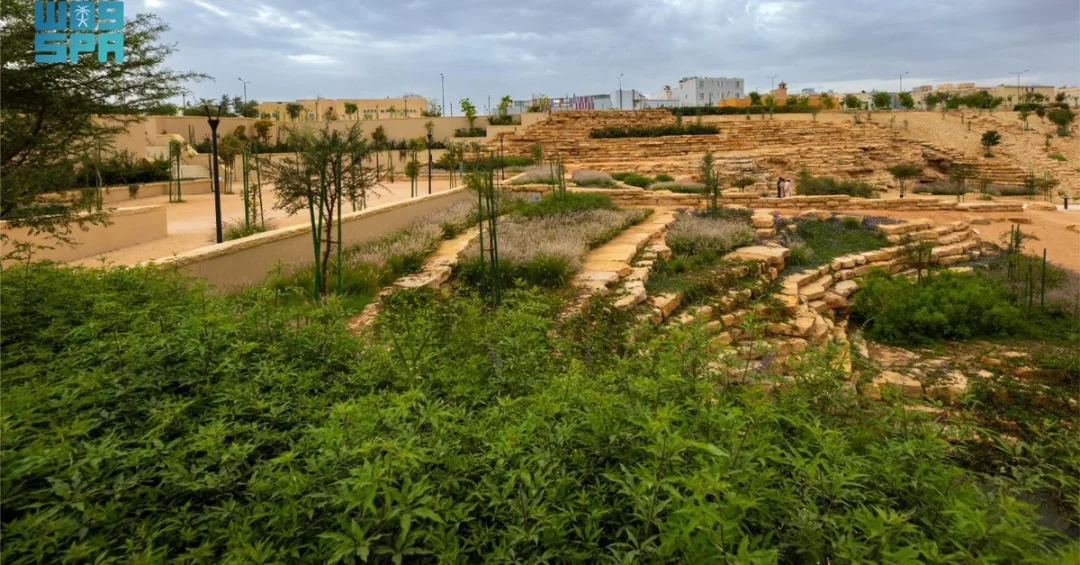
The Green Riyadh Program has announced the successful completion of a 34-month environmental rehabilitation project at Ghudhwana, a key tributary of Wadi Hanifa, transforming it into a lush 5.2-kilometer green corridor that now winds through the southwest Riyadh neighborhoods of Dhahrat Al Badi’ah, Al-Suwaidi, and Al-Zahra. The initiative, which saw the planting of over 15,000 locally sourced trees and shrubs, marks a significant milestone in the Kingdom’s ongoing efforts to expand urban green spaces, enhance quality of life, and align with the sustainability goals of Saudi Vision 2030.
Context and Background
The rehabilitation of Ghudhwana is part of the broader Green Riyadh Program, one of the capital’s megaprojects launched by the Custodian of the Two Holy Mosques, King Salman bin Abdulaziz Al Saud, under the initiative of His Royal Highness Prince Mohammed bin Salman bin Abdulaziz, Crown Prince and Prime Minister, on 19 March 2019. The program aims to rehabilitate and afforest valleys across 148 square kilometers, planting 7.5 million trees in Riyadh, raising the per capita share of green space from 1.7 square meters to 28 square meters, and increasing vegetation cover to 9% of the city’s area. This ambitious effort supports the Saudi Green Initiative’s goal of planting 10 billion trees across the Kingdom and contributes to lowering temperatures and improving air quality.
Key Details
The Ghudhwana project involved extensive environmental remediation, including cleaning operations, waste removal, and the refinement of flood control channels to restore their natural function and mitigate flooding risks. Permanent water flow channels were established to prevent swamp formation. The afforestation efforts utilized recycled irrigation water, applied in tailored quantities to ensure the sustainability of the newly planted trees and shrubs. The transformed area now features more than 65,000 square meters of social spaces, 13 children’s play areas, various sports facilities, and over 700 parking lots. Additionally, 22 kilometers of shaded pathways have been constructed to encourage walking, with a target of over 6,000 steps per day for visitors. Nine bridges have been built over the water channels to facilitate movement between neighborhoods.Water channels have been designed to ensure continuous flow and natural drainage within the valley.
Implications and Impact
The rehabilitation of Ghudhwana is expected to have a profound impact on the surrounding communities, providing expansive recreational and entertainment spaces that enrich the lives of residents. The project’s focus on sustainable practices, including the use of local materials and recycled water, sets a benchmark for future urban development projects in the Kingdom. By enhancing green spaces, the initiative contributes to reducing urban heat, improving air quality, and offering a natural refuge for both visitors and residents. This aligns with the Kingdom’s broader environmental objectives and showcases Saudi Arabia’s commitment to sustainable urban planning on a global stage.
Vision 2030 Alignment
The Ghudhwana rehabilitation is a clear manifestation of Saudi Vision 2030’s quality-of-life goals, which aim to create vibrant, sustainable cities that foster community well-being. By increasing green spaces and promoting healthy lifestyles, the project supports the Vision’s economic diversification and environmental sustainability pillars. As the Green Riyadh Program continues to transform the capital, it underscores the Kingdom’s leadership in integrating environmental stewardship with urban development, setting an example for cities worldwide. This initiative not only enhances Riyadh’s livability but also reinforces Saudi Arabia’s role as a global leader in sustainable development and climate action.
20 Questions
Q1. What is the Green Riyadh Program?
A1. The Green Riyadh Program is a major urban greening initiative launched in 2019 under the Saudi Vision 2030 framework. It aims to plant 7.5 million trees in Riyadh, increase green cover, and improve quality of life. The program is part of the Kingdom’s broader environmental and sustainability efforts.
Q2. What was the Ghudhwana project?
A2. The Ghudhwana project was a 34-month environmental rehabilitation of a tributary of Wadi Hanifa in Riyadh. It involved planting over 15,000 trees and shrubs, creating social spaces, and restoring natural water flow. The project transformed the area into a 5.2-kilometer green corridor.
Q3. Where is Ghudhwana located?
A3. Ghudhwana is a tributary of Wadi Hanifa, located in southwest Riyadh. It meanders through the neighborhoods of Dhahrat Al Badi’ah, Al-Suwaidi, and Al-Zahra. The area now serves as a tranquil green space for residents.
Q4. How long did the rehabilitation take?
A4. The rehabilitation of Ghudhwana took 34 months to complete. The project was carried out with a focus on sustainable environmental practices. It was officially announced as complete in September 2024.
Q5. What environmental issues were addressed?
A5. The project tackled environmental issues around the Wadi and its periphery, including waste removal and flood control. Channels were refined to restore natural state and prevent flooding. Permanent water flow channels were established to prevent swamp formation.
Q6. How many trees and shrubs were planted?
A6. Over 15,000 locally sourced trees and shrubs were planted. They were carefully selected to thrive in the Wadi environment. This ensures their sustainability and enhances the area’s greenery.
Q7. What social amenities are available at Ghudhwana?
A7. The area features over 65,000 square meters of social spaces, 13 children’s play areas, and various sports facilities. There are also more than 700 parking lots. Shaded pathways span 22 kilometers to encourage walking.
Q8. How does the project promote healthy living?
A8. The 22 kilometers of shaded pathways are designed to encourage walking, aiming for over 6,000 steps per day. This promotes a healthy walking experience for all age groups. The pathways connect neighborhoods and provide a safe environment for exercise.
Q9. What is the significance of the nine bridges?
A9. The nine bridges facilitate movement and walking between neighborhoods. They cross the water channels that have been designed for continuous flow. This enhances connectivity and accessibility for residents.
Q10. How is irrigation managed?
A10. Irrigation uses recycled water applied in quantities tailored to the needs of the trees. This efficient approach enhances afforestation rates. It also aligns with sustainable environmental practices.
Q11. What is the broader goal of Green Riyadh?
A11. Green Riyadh aims to rehabilitate and afforest valleys covering 148 square kilometers. It seeks to increase green spaces to meet social needs. The program also includes greening main roads, public squares, and government buildings.
Q12. How does this project align with Vision 2030?
A12. The project supports Vision 2030’s quality-of-life goals by creating vibrant, sustainable cities. It also aligns with the Saudi Green Initiative’s goal of planting 10 billion trees. This contributes to environmental sustainability and economic diversification.
Q13. What are the targets for green space per capita?
A13. The program aims to raise the per capita share of green space from 1.7 square meters to 28 square meters. This significant increase will enhance urban livability. It also contributes to lower temperatures and improved air quality.
Q14. Who launched the Green Riyadh Program?
A14. The program was launched by the Custodian of the Two Holy Mosques, King Salman bin Abdulaziz Al Saud, under the initiative of Crown Prince Mohammed bin Salman. It was inaugurated on 19 March 2019. It is one of Riyadh’s megaprojects.
Q15. What materials were used in construction?
A15. Local materials were utilized in the construction processes to enhance sustainability. This supports the local economy and reduces environmental impact. It also ensures the project’s alignment with sustainable practices.
Q16. How does the project mitigate flooding?
A16. Flood control channels were refined to restore their natural state. This mitigates the risk of flooding in the area. Permanent water flow channels were also established to prevent swamp formation.
Q17. What is the impact on local communities?
A17. The project provides expansive recreational and entertainment spaces for surrounding communities. It enriches the lives and livelihoods of residents. The green space offers a natural refuge and promotes community well-being.
Q18. How does the project contribute to lower temperatures?
A18. Increased vegetation cover helps lower temperatures by providing shade and reducing heat absorption. Trees also improve air quality by reducing pollution and dust. This creates a more comfortable urban environment.
Q19. What are the future plans for Green Riyadh?
A19. Green Riyadh will continue to implement afforestation projects across the city. It plans to green main roads, public squares, and government buildings. The program also includes irrigation networks spanning 1,350 kilometers.
Q20. How does this project showcase Saudi leadership?
A20. The project demonstrates Saudi Arabia’s commitment to sustainable urban development and environmental stewardship. It aligns with Vision 2030 and the Saudi Green Initiative. It sets an example for cities worldwide in integrating green spaces.
Reader Feedback
We value your thoughts. Please share your feedback on this article.
Your feedback helps us improve our coverage.