


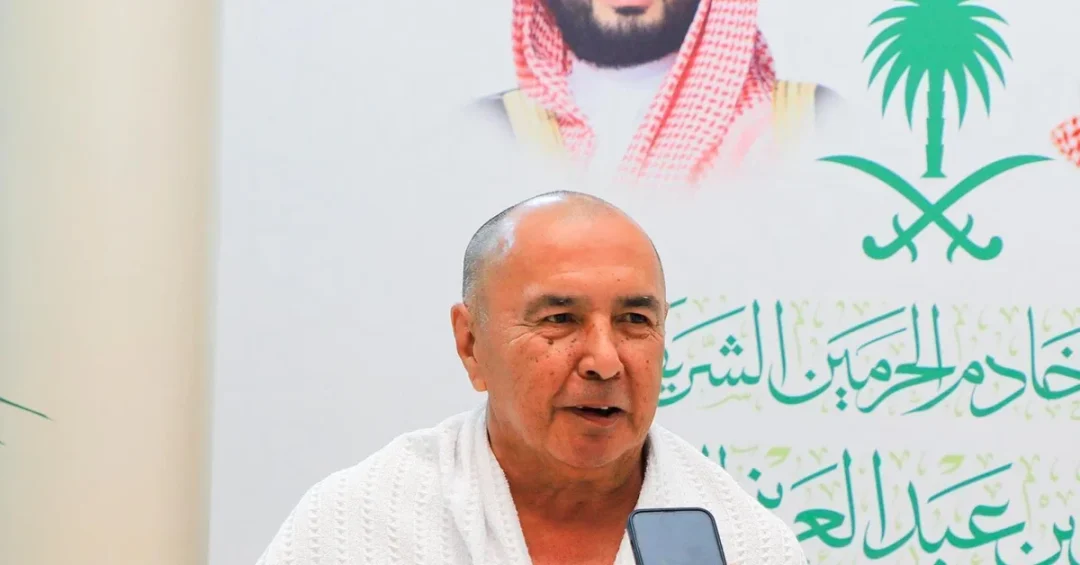
Pilgrims performing this year’s Hajj under the Guests of Custodian of Two Holy Mosques Program for Hajj, Umrah and Visit have praised the Kingdom’s generous hospitality and unwavering commitment to serving Islam and Muslims. In statements released via the Saudi Press Agency (SPA), beneficiaries of the program highlighted the special care and attention that the Kingdom’s leadership dedicates to pilgrims from around the world, ensuring a smooth and spiritually fulfilling Hajj experience.
Context and Background
The Guests of Custodian of Two Holy Mosques Program for Hajj, Umrah and Visit is a flagship initiative overseen by the Ministry of Islamic Affairs, Dawah and Guidance. It invites distinguished Muslims from various countries to perform Hajj and Umrah at the expense of the Custodian of the Two Holy Mosques, King Salman bin Abdulaziz Al Saud. The program reflects the Kingdom’s longstanding commitment to facilitating the pilgrimage and promoting Islamic solidarity. This year, as millions of Muslims gather in Makkah, the program continues to exemplify Saudi Arabia’s role as a global leader in serving Islam and Muslims.
Key Details
Among those who expressed their gratitude was Mustapha Yousef, Secretary General of the Islamic Society of Vietnam, who commended the Kingdom’s extensive services to pilgrims. He noted that Saudi Arabia’s generosity extends beyond the holy sites to Makkah, Madinah, and all routes taken by pilgrims, removing obstacles and ensuring a seamless Hajj. Hajji Murad from Uzbekistan thanked the Custodian of the Two Holy Mosques for efforts to unify Muslims and serve their causes, and praised the Ministry of Islamic Affairs, Dawah and Guidance for implementing humanitarian initiatives. Abdulwali Abdulbaqi, a pilgrim and reporter for Uzbekistan National TV, expressed his appreciation for the opportunity to perform Hajj under the program, acknowledging the Kingdom’s leadership and the Ministry’s generous hospitality.
Implications and Impact
The testimonials from international pilgrims underscore the global impact of Saudi Arabia’s dedication to the Hajj. By facilitating the pilgrimage for guests from diverse nations, the Kingdom strengthens bonds among Muslim communities and reinforces its position as a unifying force in the Islamic world. The program also supports diplomatic and cultural ties, as pilgrims return home with positive impressions of Saudi Arabia’s modernization and hospitality. Furthermore, the seamless execution of Hajj logistics demonstrates the Kingdom’s advanced infrastructure and organizational capabilities, which are essential to hosting millions of pilgrims annually.
Vision 2030 Alignment
This initiative aligns closely with Saudi Vision 2030, which seeks to enhance the Kingdom’s role as a global hub for Islamic tourism and to improve the quality of services provided to pilgrims. By investing in infrastructure, technology, and hospitality, Saudi Arabia aims to increase the number of Umrah and Hajj pilgrims to 30 million by 2030. The Guests of Custodian of Two Holy Mosques Program not only fulfills a religious duty but also showcases the Kingdom’s commitment to moderation, tolerance, and international cooperation. As Saudi Arabia continues to advance its Vision 2030 goals, such programs will remain a cornerstone of its efforts to serve Islam and Muslims worldwide.
20 Questions
Q1. What is the Guests of Custodian of Two Holy Mosques Program?
A1. It is a Saudi initiative that invites distinguished Muslims from various countries to perform Hajj, Umrah, and visit the holy sites at the expense of the Custodian of the Two Holy Mosques, King Salman bin Abdulaziz Al Saud.
Q2. Who oversees the Guests of Custodian of Two Holy Mosques Program?
A2. The program is overseen by the Ministry of Islamic Affairs, Dawah and Guidance, which ensures its implementation and hospitality for invited guests.
Q3. What did Mustapha Yousef say about Saudi Arabia’s services?
A3. Mustapha Yousef, Secretary General of the Islamic Society of Vietnam, praised the Kingdom’s great services to pilgrims, noting that generosity extends to Makkah, Madinah, and all pilgrim routes, removing obstacles.
Q4. How did Hajji Murad from Uzbekistan express his gratitude?
A4. He thanked the Custodian of the Two Holy Mosques for efforts to unify Muslims and serve their causes, and commended the Ministry of Islamic Affairs for implementing humanitarian initiatives.
Q5. Who is Abdulwali Abdulbaqi?
A5. Abdulwali Abdulbaqi is a pilgrim from Uzbekistan who works as a reporter for Uzbekistan National TV. He performed Hajj under the program and expressed gratitude for the hospitality.
Q6. Why is the program significant for international Muslims?
A6. It allows Muslims from diverse backgrounds to perform Hajj with ease, strengthening Islamic solidarity and showcasing Saudi Arabia’s commitment to serving pilgrims.
Q7. What are the key services provided to pilgrims under the program?
A7. Services include transportation, accommodation, meals, and logistical support, ensuring a smooth and spiritually fulfilling Hajj experience for all guests.
Q8. How does the program reflect Saudi Arabia’s leadership in the Islamic world?
A8. By hosting and serving pilgrims from around the globe, the Kingdom demonstrates its role as a unifying force and its dedication to the welfare of Muslims worldwide.
Q9. What is the Ministry of Islamic Affairs, Dawah and Guidance?
A9. It is the Saudi government ministry responsible for overseeing Islamic affairs, including the Guests of Custodian of Two Holy Mosques Program, and promoting moderation and tolerance.
Q10. How does the program contribute to Vision 2030?
A10. It supports Vision 2030 by enhancing Islamic tourism, improving pilgrim services, and aiming to increase the number of Hajj and Umrah pilgrims to 30 million by 2030.
Q11. What did pilgrims say about the Kingdom’s hospitality?
A11. Pilgrims praised the generous hospitality, highlighting the special care and attention provided by the Kingdom’s leadership, which ensures a smooth Hajj.
Q12. How many pilgrims are expected this year?
A12. While exact numbers vary, millions of Muslims from around the world perform Hajj annually, with Saudi Arabia hosting and facilitating their journey.
Q13. What is the significance of the program for Islamic unity?
A13. The program brings together Muslims from different countries, fostering unity, understanding, and cooperation among Islamic communities worldwide.
Q14. How does Saudi Arabia ensure a smooth Hajj for pilgrims?
A14. Through advanced infrastructure, technology, and meticulous planning, Saudi authorities manage logistics, security, and health services to facilitate the pilgrimage.
Q15. What role does the Saudi Press Agency play?
A15. The Saudi Press Agency (SPA) is the official news agency of Saudi Arabia, disseminating information about the Kingdom’s initiatives and services to the public.
Q16. What did pilgrims from Vietnam and Uzbekistan say?
A16. They praised the Kingdom’s services, thanked the leadership for the opportunity, and commended the Ministry of Islamic Affairs for its hospitality and humanitarian efforts.
Q17. How does the program support moderation and tolerance?
A17. By inviting Muslims from diverse backgrounds, the program promotes moderate Islam and showcases Saudi Arabia’s commitment to tolerance and peaceful coexistence.
Q18. What are the future goals of the program?
A18. The program aims to continue serving Islam and Muslims, expand its reach, and align with Vision 2030’s objectives of enhancing pilgrim experiences and Islamic tourism.
Q19. What economic impact does Hajj have on Saudi Arabia?
A19. Hajj generates significant economic activity in sectors like hospitality, transportation, and retail, contributing to the Kingdom’s GDP and local employment.
Q20. How can Muslims apply for the Guests of Custodian of Two Holy Mosques Program?
A20. Applications are typically facilitated through Saudi embassies and Islamic organizations; selected guests are invited based on nominations and criteria set by the Ministry of Islamic Affairs.
Reader Feedback
We value your thoughts. Please share your feedback on this article.
Your feedback helps us improve our coverage.