


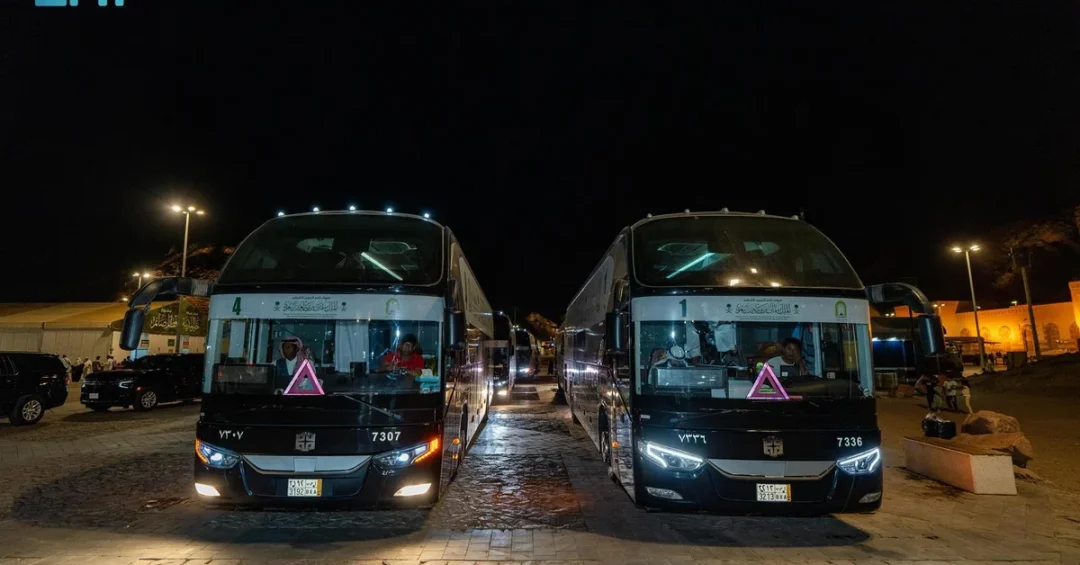
The fourth group of guests under the Custodian of the Two Holy Mosques Program for Umrah and Visitation has visited Mount Uhud, the Cemetery of Uhud Martyrs, and Quba Mosque as part of a religious and cultural itinerary organized by the Ministry of Islamic Affairs, Dawah and Guidance during their stay in Madinah. The visit, reported by the Saudi Press Agency, forms part of a carefully structured program that introduces guests from around the world to the spiritual and historical heritage of Islam’s second holiest city. The guests listened to guidelines on the Islamic etiquette of visiting cemeteries and received a detailed explanation of the Battle of Uhud, learning about its location and key turning points. They also toured Quba Mosque, its facilities, and its courtyards, and praised the scale of the mosque’s ongoing expansion.
The program reflects the Kingdom of Saudi Arabia’s longstanding commitment, under the leadership of the Custodian of the Two Holy Mosques, King Salman bin Abdulaziz Al Saud, and His Royal Highness Crown Prince Mohammed bin Salman, to serving pilgrims and visitors and to sharing the authentic history of Islam with the world. For the international audience, the itinerary offers a window into how Saudi Arabia combines religious hospitality with cultural education, ensuring that guests leave with a deeper understanding of the places that shaped early Islamic history. The guests are currently in Madinah to pray at the Prophet’s Mosque and visit historical landmarks before traveling to Makkah to perform Umrah and complete their scheduled programs.
Context and Background
Why does a single visit by a group of guests to historic sites in Madinah matter on the international stage? The Custodian of the Two Holy Mosques Program for Umrah and Visitation is one of the Kingdom’s flagship initiatives for welcoming Muslims from across the globe, and it operates under the direct supervision of the Ministry of Islamic Affairs, Dawah and Guidance. The program is designed to host guests who may not otherwise have the opportunity to perform Umrah, offering them a fully organized journey that includes transportation, accommodation, and guided visits to significant religious and historical landmarks. The fourth group’s itinerary in Madinah is therefore not simply a tour; it is an expression of Saudi Arabia’s role as the custodian of Islam’s holiest sites and a host to millions of pilgrims each year.
Madinah occupies a unique place in Islamic history. It was here that the Prophet Muhammad (peace be upon him) established the first Muslim community after the migration from Makkah, and it is home to the Prophet’s Mosque, one of the three most sacred mosques in Islam. The city’s landscape is dotted with sites connected to pivotal moments in early Islamic history, including Mount Uhud, the Cemetery of Uhud Martyrs, and Quba Mosque, the first mosque built in Islam. For guests of the program, visiting these locations provides a tangible connection to the events and personalities that define the faith’s early years. The Ministry of Islamic Affairs, Dawah and Guidance organizes these visits with scholarly guidance, ensuring that participants receive accurate historical context and observe proper religious etiquette.
The program also aligns with the Kingdom’s broader efforts to enhance the pilgrimage experience, a central pillar of Vision 2030. Under Vision 2030, Saudi Arabia aims to welcome an increasing number of Umrah and Hajj pilgrims and to enrich their spiritual journey with cultural and historical dimensions. By hosting guests from diverse countries and introducing them to the heritage of Madinah, the program strengthens people-to-people ties and showcases the Kingdom’s capacity to manage large-scale religious tourism with efficiency and care. The fourth group’s visit is thus a small but meaningful component of a national strategy that positions Saudi Arabia as a global leader in serving Islam and Muslims.
Key Details of the Visit
What exactly did the guests experience during their time at these historic sites? At Mount Uhud and the Cemetery of Uhud Martyrs, the guests received a comprehensive briefing on the Battle of Uhud, one of the most significant military encounters in early Islamic history. The battle, fought in 625 CE, saw the Muslim community face a formidable challenge, and its lessons in steadfastness, discipline, and faith continue to resonate. The guests learned about the location of the battle, the key turning points, and the sacrifices of the martyrs, including the revered companion Hamza ibn Abdul-Muttalib, the uncle of the Prophet Muhammad (peace be upon him). The Ministry’s guides explained the Islamic etiquette of visiting cemeteries, emphasizing respect, reflection, and prayer, in line with the teachings of the faith.
The visit to Quba Mosque offered a different but equally profound experience. Quba Mosque holds the distinction of being the first mosque established in Islam, built by the Prophet Muhammad (peace be upon him) upon his arrival in Madinah during the migration. The guests toured the mosque’s facilities and courtyards and learned about its historical significance, including its mention in the Holy Quran. They also praised the scale of the mosque’s ongoing expansion, a project that reflects the Kingdom’s dedication to preserving and enhancing Islamic heritage sites. The expansion work at Quba Mosque is part of a wider program of development across the holy sites, designed to accommodate growing numbers of worshippers and visitors while maintaining the architectural and spiritual character of the original structure.
The guests’ itinerary in Madinah also included prayers at the Prophet’s Mosque, where they joined millions of worshippers in one of the most spiritually charged environments in the Islamic world. The Prophet’s Mosque, with its iconic green dome and expansive courtyards, serves as the heart of Madinah and a focal point for the program’s activities. Following their stay in Madinah, the guests will travel to Makkah to perform Umrah, completing a journey that combines the two holy cities in a single, seamless pilgrimage experience. The Ministry of Islamic Affairs, Dawah and Guidance coordinates every stage of the program, from arrival to departure, ensuring that guests can focus on their spiritual obligations and cultural discovery.
International and Regional Impact
How does a program like this influence Saudi Arabia’s relationships with countries around the world? The Custodian of the Two Holy Mosques Program for Umrah and Visitation brings together guests from a wide range of nations, creating opportunities for cultural exchange and mutual understanding. By hosting Muslims from different backgrounds, the Kingdom reinforces its role as a unifying force in the Islamic world and as a bridge between cultures. The program’s guests often return home with positive impressions of Saudi Arabia’s hospitality, infrastructure, and commitment to serving pilgrims. These personal experiences translate into stronger people-to-people ties and enhanced goodwill toward the Kingdom, which in turn supports diplomatic and economic cooperation.
Regionally, the program contributes to the stability and cohesion of the Islamic world by facilitating religious travel and promoting moderate, peaceful interpretations of the faith. The Ministry of Islamic Affairs, Dawah and Guidance emphasizes scholarly guidance and ethical conduct during the visits, ensuring that participants gain a balanced understanding of Islamic history and values. This approach counters extremism and fosters a spirit of tolerance and brotherhood. For Saudi Arabia, the program is also a demonstration of its logistical capabilities: coordinating the travel, accommodation, and activities of guests from multiple countries requires sophisticated planning and execution, showcasing the Kingdom’s administrative strength and its ability to manage large-scale religious events.
The visit to Uhud and Quba Mosque also highlights the Kingdom’s efforts to preserve and promote Islamic heritage. These sites are not merely tourist attractions; they are living reminders of the faith’s formative period. By enabling guests to experience them firsthand, Saudi Arabia ensures that the stories and lessons of early Islam continue to be transmitted across generations and geographies. The guests’ appreciation of the mosque’s expansion and the organization of the program reflects the success of these efforts and the positive image of the Kingdom that participants carry with them.
Economic and Strategic Significance
What economic and strategic benefits does the program generate for Saudi Arabia? Religious tourism is a major pillar of the Kingdom’s economy, and Umrah and Hajj-related activities contribute significantly to sectors such as hospitality, transportation, retail, and services. The Custodian of the Two Holy Mosques Program for Umrah and Visitation adds to this ecosystem by attracting guests who might not otherwise travel to the Kingdom, many of whom become ambassadors for Saudi Arabia upon their return. Their visits support local businesses in Madinah and Makkah, from hotels and restaurants to shops and transport providers, creating jobs and stimulating economic activity in the holy cities.
Strategically, the program aligns with Vision 2030’s goal of increasing the number of Umrah pilgrims to 30 million annually and enhancing the overall pilgrimage experience. By investing in infrastructure, expanding the Two Holy Mosques, and improving services, Saudi Arabia is positioning itself as the premier destination for religious travel. The program also supports the Kingdom’s broader tourism ambitions, as many guests extend their stays to explore other parts of the country, including historical sites, cultural festivals, and natural attractions. The Ministry of Islamic Affairs, Dawah and Guidance works in coordination with other government entities to ensure that the program runs smoothly and that guests receive the highest standards of care, further enhancing Saudi Arabia’s reputation as a gracious and capable host.
Moreover, the program serves as a soft power tool, strengthening Saudi Arabia’s influence and image on the global stage. By welcoming guests from diverse nations and providing them with a memorable and spiritually fulfilling experience, the Kingdom builds goodwill that can translate into diplomatic and economic partnerships. The fourth group’s visit to Uhud and Quba Mosque is a testament to the program’s reach and effectiveness, and it underscores the Kingdom’s commitment to serving Islam and Muslims worldwide.
Vision 2030 Alignment
How does this visit connect to Saudi Arabia’s long-term vision for the future? Vision 2030, the Kingdom’s comprehensive reform plan, places great emphasis on enhancing the pilgrimage experience and promoting religious tourism as a key driver of economic diversification. The Custodian of the Two Holy Mosques Program for Umrah and Visitation directly supports this objective by facilitating access to the holy sites and enriching the spiritual journey of guests. The program also contributes to the Vision’s social and cultural goals by fostering a deeper appreciation of Islamic heritage and by showcasing the Kingdom’s modern infrastructure and hospitality. Under the leadership of King Salman and Crown Prince Mohammed bin Salman, Saudi Arabia is investing heavily in the expansion of the Two Holy Mosques and the development of surrounding areas, ensuring that pilgrims and visitors receive world-class services.
The fourth group’s visit to Mount Uhud, the Cemetery of Uhud Martyrs, and Quba Mosque exemplifies the Vision’s holistic approach to pilgrimage: it is not only about performing rituals but also about understanding the history and values that underpin them. By providing guided tours and educational briefings, the Ministry of Islamic Affairs, Dawah and Guidance ensures that guests leave with a comprehensive experience that strengthens their faith and their connection to the Kingdom. As Saudi Arabia continues to welcome millions of pilgrims each year, programs like this will remain central to its mission of serving Islam and to its vision of a prosperous, open, and globally engaged nation.
In conclusion, the visit by the fourth group of guests under the Custodian of the Two Holy Mosques Program for Umrah and Visitation to Uhud and Quba Mosque is a vivid illustration of Saudi Arabia’s dedication to its sacred responsibilities and its forward-looking vision. It reflects the Kingdom’s ability to blend tradition with modernity, to honor its heritage while embracing the future, and to serve as a beacon of hospitality and faith for Muslims around the world. As the program continues to welcome guests from across the globe, it will further cement Saudi Arabia’s role as the heart of the Islamic world and a leader in the global community.
20 Questions
Q1. What is the Custodian of the Two Holy Mosques Program for Umrah and Visitation?
A1. It is a Saudi initiative that hosts Muslims from around the world for Umrah and visits to holy sites, organized by the Ministry of Islamic Affairs, Dawah and Guidance to serve pilgrims and promote Islamic heritage.
Q2. Which sites did the fourth group visit in Madinah?
A2. The fourth group visited Mount Uhud, the Cemetery of Uhud Martyrs, and Quba Mosque, as part of a religious and cultural program during their stay in Madinah.
Q3. What is the significance of Mount Uhud in Islamic history?
A3. Mount Uhud was the site of the Battle of Uhud in 625 CE, a major encounter in early Islam where Muslims learned lessons of steadfastness and faith. It remains a place of reflection for visitors.
Q4. Why is the Cemetery of Uhud Martyrs important?
A4. It is the burial place of many companions who died in the Battle of Uhud, including Hamza ibn Abdul-Muttalib. Visiting it offers a chance to honor their sacrifice and reflect on Islamic history.
Q5. What is Quba Mosque known for?
A5. Quba Mosque is the first mosque built in Islam, established by the Prophet Muhammad (peace be upon him) upon his arrival in Madinah. It holds great historical and spiritual significance.
Q6. What did the guests learn about the etiquette of visiting cemeteries?
A6. They received guidelines on Islamic etiquette, which emphasizes respect, quiet reflection, and prayer for the deceased, in accordance with the teachings of the faith.
Q7. How did the guests react to Quba Mosque’s expansion?
A7. The guests praised the scale of the mosque’s ongoing expansion and its courtyards, recognizing the Kingdom’s efforts to preserve and enhance Islamic heritage sites for future generations.
Q8. What are the guests’ plans after visiting Madinah?
A8. After their stay in Madinah, the guests will travel to Makkah to perform Umrah and complete their scheduled programs, including prayers at the Grand Mosque.
Q9. Who organizes the Custodian of the Two Holy Mosques Program?
A9. The program is organized by the Ministry of Islamic Affairs, Dawah and Guidance, which coordinates all aspects of the guests’ journey, from travel to guided visits.
Q10. How does the program support Vision 2030?
A10. It supports Vision 2030 by enhancing the pilgrimage experience, increasing religious tourism, and showcasing Saudi Arabia’s ability to host guests with world-class services and hospitality.
Q11. What is the historical significance of the Battle of Uhud?
A11. The Battle of Uhud was a pivotal event in early Islam that tested the Muslim community’s resilience. Its lessons in obedience, unity, and perseverance continue to be studied and reflected upon.
Q12. How does the program promote cultural exchange?
A12. By bringing together guests from diverse countries, the program fosters mutual understanding and showcases Saudi Arabia’s hospitality, creating positive impressions that strengthen people-to-people ties globally.
Q13. What role does the Prophet’s Mosque play in the program?
A13. The Prophet’s Mosque in Madinah is a central destination where guests pray and experience one of Islam’s holiest sites, deepening their spiritual journey before traveling to Makkah.
Q14. How does Saudi Arabia ensure the comfort of program guests?
A14. The Ministry of Islamic Affairs, Dawah and Guidance coordinates transportation, accommodation, and guided tours, ensuring guests can focus on their spiritual and cultural activities without logistical concerns.
Q15. What economic benefits does religious tourism bring to Saudi Arabia?
A15. Religious tourism boosts sectors such as hospitality, retail, and transportation, creating jobs and stimulating economic growth in Madinah, Makkah, and other regions of the Kingdom.
Q16. How does the program counter extremism?
A16. By providing scholarly guidance and promoting moderate, peaceful interpretations of Islam, the program fosters tolerance and understanding, countering extremist narratives and strengthening community cohesion.
Q17. What is the significance of Quba Mosque’s mention in the Quran?
A17. Quba Mosque is referenced in the Holy Quran as a mosque founded on piety, underscoring its special status and the importance of visiting it for spiritual reflection and historical learning.
Q18. How many groups have participated in the program so far?
A18. The fourth group is currently participating, indicating that the program has successfully hosted multiple cohorts of guests, with more expected in the future as part of Saudi Arabia’s ongoing hospitality efforts.
Q19. What message does the program send to the international community?
A19. It conveys Saudi Arabia’s commitment to serving Islam, preserving heritage, and welcoming the world, reinforcing its role as a global leader in religious tourism and intercultural dialogue.
Q20. How can international readers learn more about the program?
A20. International readers can follow official announcements from the Saudi Press Agency and the Ministry of Islamic Affairs, Dawah and Guidance, which regularly provide updates on the program and its activities.
Reader Feedback
We value your thoughts. Please share your feedback on this article.
Your feedback helps us improve our coverage.
Related articles
 OIC Secretary-General Hosts Islamic University in Niger Board
 Saudi Arabia Gifts 25 Tons of Dates to Tajikistan
 KSrelief Delivers 25 Tons of Dates to Mauritius
 Arab Parliament Condemns Gaza Aid Blockade as War Crime
 Muslim World League Condemns Gaza Aid Halt
 Saudi Arabia Weather Forecast for Monday: Rain, Hail, and Dust Winds