


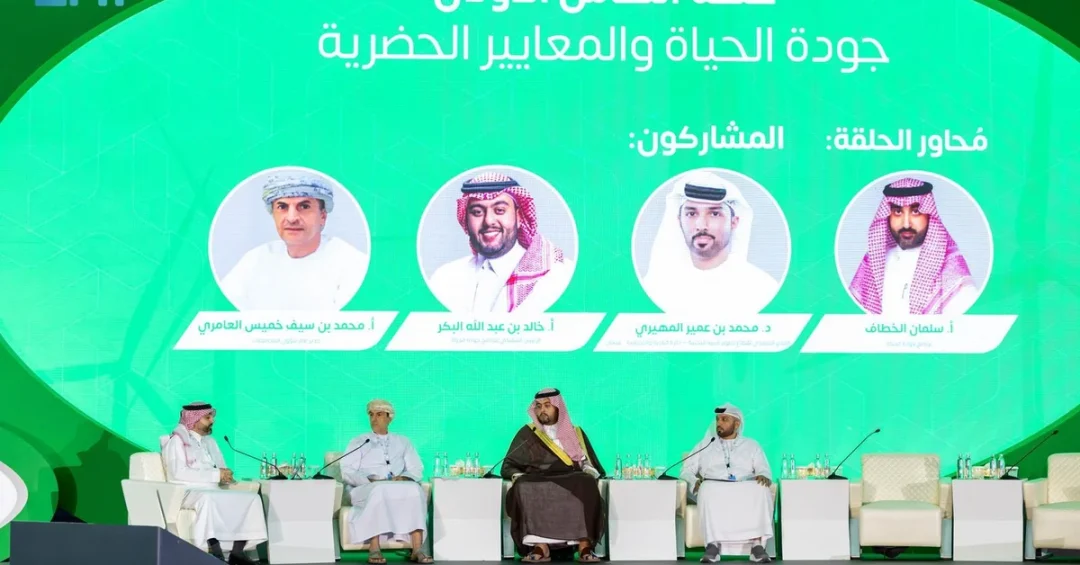
The Gulf Municipal Work Conference, organized by the Saudi Ministry of Municipalities and Housing in collaboration with the General Secretariat of the Gulf Cooperation Council (GCC), continued its second day of discussions in Riyadh on October 7, 2024, focusing on improving urban standards to raise the quality of life in Gulf communities and cities. Government officials and municipal experts from GCC countries gathered to address current challenges in sustaining municipal work and explore innovative solutions to overcome them. The sessions concentrated on strategies and initiatives to foster vibrant, sustainable societies, enhance community well-being, and achieve sustainable development goals.
Context and Background
The conference aligns with the broader objectives of the GCC, which seeks to enhance cooperation among its member states—Bahrain, Kuwait, Oman, Qatar, Saudi Arabia, and the United Arab Emirates—in various fields, including municipal affairs. As Gulf cities undergo rapid urbanization driven by population growth and economic diversification, the need for sustainable urban planning and efficient municipal services has become increasingly critical. The Ministry of Municipalities and Housing, under the leadership of Saudi Arabia, plays a pivotal role in implementing Vision 2030, which aims to improve the quality of life for citizens and residents through smart city initiatives and sustainable development.
Key Details
During the second day, participants highlighted successful initiatives and experiences in improving urban standards, emphasizing the importance of regulations and legislation that ensure sustainability and maintain the quality of life across Gulf cities. Discussions covered topics such as smart city technologies, green building practices, waste management, and public space enhancement. Officials underscored the need for integrated planning and community engagement to address challenges like traffic congestion, environmental sustainability, and affordable housing. The conference serves as a platform for sharing best practices and fostering partnerships among GCC countries to achieve common goals.
Implications and Impact
The outcomes of this conference are expected to influence municipal policies across the Gulf region, leading to more efficient and sustainable urban environments. By adopting innovative solutions and harmonizing regulations, GCC countries can enhance the livability of their cities, attract investment, and improve the well-being of their populations. This collaboration also strengthens regional integration and positions the Gulf as a model for sustainable urban development globally. The focus on quality of life directly contributes to the GCC’s broader economic and social objectives, including the transition to knowledge-based economies.
Vision 2030 Alignment
Saudi Arabia’s Vision 2030, a comprehensive reform plan launched by Crown Prince Mohammed bin Salman, prioritizes the enhancement of quality of life through its Quality of Life Program. The Gulf Municipal Work Conference directly supports this vision by promoting sustainable municipal work and urban development, which are essential pillars for creating vibrant communities and achieving economic diversification. As the Kingdom continues to lead regional efforts in this domain, the conference exemplifies Saudi Arabia’s commitment to fostering cooperation and innovation for a prosperous future.
20 Questions
Q1. What is the Gulf Municipal Work Conference?
A1. The Gulf Municipal Work Conference is a regional event organized by the Saudi Ministry of Municipalities and Housing in collaboration with the GCC General Secretariat, focusing on improving urban standards and quality of life in Gulf cities through shared expertise and innovative solutions.
Q2. When and where did the conference take place?
A2. The conference was held in Riyadh, Saudi Arabia, with its second day of discussions on October 7, 2024, bringing together government officials and municipal experts from GCC countries to address sustainable urban development.
Q3. Which countries participated in the conference?
A3. Participants included representatives from all GCC member states: Bahrain, Kuwait, Oman, Qatar, Saudi Arabia, and the United Arab Emirates, all collaborating to enhance municipal work and urban living standards across the region.
Q4. What are the main goals of the conference?
A4. The conference aims to improve urban standards, raise the quality of life in Gulf communities, foster sustainable societies, and achieve sustainable development goals by sharing successful initiatives and addressing challenges in municipal work.
Q5. How does the conference support Saudi Vision 2030?
A5. The conference supports Vision 2030 by promoting sustainable municipal practices and urban development, which are key components of the Quality of Life Program, aiming to create vibrant communities and enhance the well-being of citizens and residents.
Q6. What topics were discussed on the second day?
A6. Discussions focused on strategies for vibrant, sustainable societies, regulations for sustainability, smart city technologies, green building, waste management, and public space enhancement to improve urban standards across Gulf cities.
Q7. Who organized the Gulf Municipal Work Conference?
A7. The conference was organized by the Saudi Ministry of Municipalities and Housing in collaboration with the General Secretariat of the Gulf Cooperation Council, demonstrating Saudi Arabia’s leadership in regional municipal cooperation.
Q8. What are some expected outcomes of the conference?
A8. Expected outcomes include harmonized municipal policies, adoption of innovative solutions, improved urban livability, and enhanced regional integration, positioning the Gulf as a model for sustainable urban development globally.
Q9. How does the conference address sustainability?
A9. The conference emphasizes regulations and legislation that ensure sustainability, promotes green building practices, efficient waste management, and integrated planning to maintain quality of life and environmental balance in Gulf cities.
Q10. What role does the GCC play in this conference?
A10. The GCC General Secretariat collaborates in organizing the conference, facilitating cooperation among member states to share best practices, align policies, and advance municipal work for the benefit of all Gulf communities.
Q11. How can Gulf cities benefit from the conference?
A11. Gulf cities can benefit by adopting successful initiatives and innovative solutions discussed, leading to improved urban standards, sustainable development, enhanced quality of life, and more efficient municipal services.
Q12. What is the significance of sharing successful initiatives?
A12. Sharing successful initiatives allows GCC countries to learn from each other’s experiences, replicate effective strategies, and avoid pitfalls, thereby accelerating progress in sustainable urban development and municipal excellence.
Q13. How does the conference promote community well-being?
A13. By focusing on vibrant societies, public spaces, and sustainable practices, the conference promotes community well-being through improved living environments, social cohesion, and enhanced quality of life for all residents.
Q14. What challenges in municipal work were addressed?
A14. Challenges such as rapid urbanization, traffic congestion, environmental sustainability, affordable housing, and efficient service delivery were addressed, with a focus on innovative and collaborative solutions.
Q15. What is the role of regulations and legislation in this context?
A15. Regulations and legislation provide the framework for ensuring sustainability, standardizing practices, and maintaining quality of life across Gulf cities, enabling consistent and effective municipal governance.
Q16. How does the conference contribute to sustainable development goals?
A16. By promoting sustainable urban planning, resource efficiency, and community well-being, the conference directly contributes to global SDGs, particularly those related to sustainable cities and communities.
Q17. What innovative solutions were explored?
A17. Innovative solutions included smart city technologies, digital governance, green infrastructure, renewable energy integration, and data-driven decision-making to enhance municipal efficiency and urban sustainability.
Q18. How does Saudi Arabia lead in this regional effort?
A18. Saudi Arabia leads by hosting and organizing the conference through its Ministry of Municipalities and Housing, sharing its Vision 2030 expertise, and fostering collaboration among GCC states for mutual benefit.
Q19. What is the expected impact on Gulf communities?
A19. The expected impact includes improved urban infrastructure, enhanced public services, greater environmental sustainability, and a higher quality of life, contributing to prosperous and cohesive Gulf communities.
Q20. How can other regions learn from this conference?
A20. Other regions can learn from the conference’s model of regional cooperation, integrated planning, and sustainable urban practices, which demonstrate effective strategies for addressing common municipal challenges and enhancing livability.
Reader Feedback
We value your thoughts. Please share your feedback on this article.
Your feedback helps us improve our coverage.