


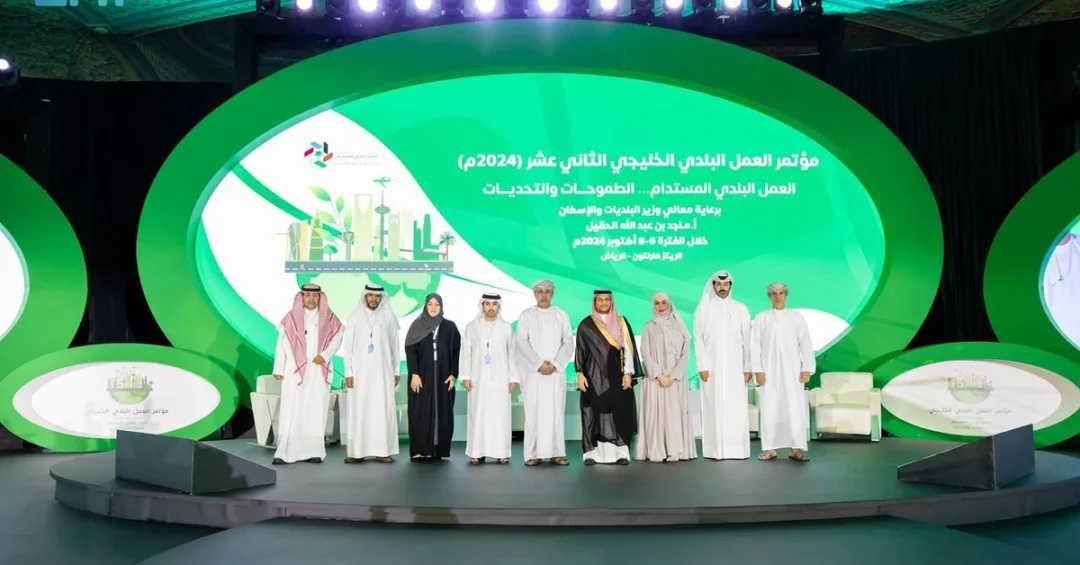
The 12th annual Gulf Municipal Work Conference concluded in Riyadh on October 8, 2024, with a set of official recommendations urging Gulf Cooperation Council (GCC) states to adopt modern municipal technologies, smart-city systems, and geographic information systems. The three-day event, held October 6 to 8 under the patronage of Minister of Municipalities and Housing Majed Al-Hogail, was organized by the Ministry of Municipalities and Housing in collaboration with the GCC General Secretariat, and brought together specialists from across the region to strengthen the sustainability of municipal work in Gulf cities.
Context and Background
The Gulf Municipal Work Conference is an established annual platform through which GCC member states coordinate municipal policy, share operational experience, and align approaches to urban growth. This year’s edition, the twelfth, was convened in Riyadh and delivered its outcomes through the Saudi Press Agency (SPA), the Kingdom’s official news authority. The timing reflects a wider regional reality: Gulf cities are expanding quickly, and municipal authorities are expected to deliver services that are efficient, digitally enabled, and environmentally responsible.
Rapid urbanization across the Gulf has placed new demands on local governments, from transport and waste management to land use and public space. Against that backdrop, the conference positioned technology and community participation as complementary pillars of sustainable city management.
Key Details
Over the three days, the conference hosted more than 15 discussion sessions and workshops in which specialists reviewed the latest scientific and practical developments related to the sustainability of municipal work in the Gulf, along with the main challenges facing municipal services in Gulf cities.
The recommendations called for involving the community in urban planning and design projects to support the principles of sustainability in Gulf cities. Delegates also urged the adoption of modern technologies and municipal systems that enhance smart-city policies and geographic information systems, while encouraging municipalities to learn from the successful experiences of GCC countries in artificial intelligence and data utilization.
Key topics on the agenda included recent trends and successful practices in sustainable urban planning and design, sustainable municipal economics, and managing cities according to best sustainable practices. Specialists also examined the potential risks of climate change on Gulf cities and discussed strategies to confront them.
Implications and Impact
The recommendations carry practical weight for municipal authorities across the region. Smart-city systems and geographic information systems allow planners to map infrastructure, forecast demand, and target investment more precisely, while artificial intelligence and data analysis can improve service delivery and reduce waste in public spending. Community engagement, meanwhile, helps ensure that design decisions reflect the needs of residents and remain durable over time.
Because the Gulf states share comparable climates, urban patterns, and development ambitions, the exchange of proven practices reduces duplication and accelerates adoption of solutions that already work. The conference therefore strengthens regional integration at the municipal level, complementing broader GCC cooperation on infrastructure, trade, and energy.
For international observers, the outcomes signal a region investing deliberately in the institutional foundations of livable cities. As Gulf economies diversify and attract global talent and investment, the quality of municipal services becomes a competitive factor, not merely an administrative matter.
Vision 2030 Alignment
The conference outcomes align closely with Saudi Vision 2030, which places quality of life, digital transformation, and world-class urban environments among its central objectives. The Ministry of Municipalities and Housing is a key delivery partner for these goals, working to modernize services, improve city planning, and expand the use of data-driven tools across the Kingdom.
Smart-city systems, geographic information systems, and sustainable municipal economics support the Vision’s aim of building cities that are efficient, inclusive, and attractive to residents and investors alike. By hosting and shaping this regional dialogue, the Kingdom reinforces its role as a convenor of Gulf cooperation and a driver of forward-looking urban development that benefits the wider region.
20 Questions
Q1. What was the 12th annual Gulf Municipal Work Conference?
A1. It was a three-day regional gathering held in Riyadh from October 6 to 8, 2024, organized by the Ministry of Municipalities and Housing with the GCC General Secretariat to improve municipal work across Gulf Cooperation Council countries.
Q2. Where and when did the conference take place?
A2. The conference was held in Riyadh, the capital of the Kingdom of Saudi Arabia, from October 6 to 8, 2024. It concluded on October 8 with official recommendations released through the Saudi Press Agency.
Q3. Who organized the conference?
A3. It was organized by the Ministry of Municipalities and Housing in collaboration with the Gulf Cooperation Council General Secretariat, reflecting the Kingdom’s commitment to regional coordination on urban development and municipal services.
Q4. Under whose patronage was the event held?
A4. The conference was held under the patronage of Minister of Municipalities and Housing Majed Al-Hogail, whose ministry leads Saudi Arabia’s efforts to modernize municipal services and improve the quality of urban life.
Q5. What did the conference recommend regarding smart-city policies?
A5. Delegates called for adopting modern technologies and municipal systems that enhance smart-city policies and geographic information systems, while also learning from successful GCC experiences in artificial intelligence and data utilization.
Q6. Why was community involvement emphasized?
A6. The conference stressed that involving residents in urban planning and design projects supports the principles of sustainability in Gulf cities, ensuring that development reflects local needs while advancing long-term environmental, social, and economic goals.
Q7. How many sessions and workshops were held?
A7. Over three days, the conference hosted more than 15 discussion sessions and workshops in which specialists examined the latest scientific and practical developments related to the sustainability of municipal work in the Gulf.
Q8. What were the key topics discussed?
A8. Key topics included recent trends and successful practices in sustainable urban planning and design, sustainable municipal economics, and managing cities according to best sustainable practices, alongside strategies to address climate-related risks.
Q9. How does climate change relate to the conference agenda?
A9. Specialists discussed the potential risks that climate change poses to Gulf cities and explored strategies to confront them, underscoring the importance of resilient infrastructure, efficient resource management, and forward-looking municipal planning across the region.
Q10. What role does artificial intelligence play in municipal work?
A10. The conference highlighted artificial intelligence and data utilization as tools that can improve urban services, optimize planning decisions, and support smarter, more responsive city management across Gulf Cooperation Council member states.
Q11. What are geographic information systems used for?
A11. Geographic information systems help municipalities map, analyze, and manage spatial data, supporting better planning, infrastructure development, and service delivery. The conference recommended expanding their use to strengthen smart-city policies across Gulf cities.
Q12. What is meant by sustainable municipal economics?
A12. Sustainable municipal economics refers to managing city budgets, services, and investments in ways that remain financially viable over the long term while supporting environmental and social goals, an area experts explored during the Riyadh sessions.
Q13. Why is regional cooperation important in municipal work?
A13. Gulf countries share similar climates, urban challenges, and development ambitions. Exchanging successful practices helps municipalities avoid duplication, accelerate innovation, and deliver higher-quality services to growing populations across the region.
Q14. How does Saudi Arabia benefit from hosting the conference?
A14. Hosting the conference in Riyadh reinforces the Kingdom’s leadership in regional urban development, allows Saudi institutions to showcase their progress, and strengthens partnerships that support municipal innovation and knowledge exchange.
Q15. What does the Ministry of Municipalities and Housing do?
A15. The ministry oversees municipal services, urban planning, and housing policy in Saudi Arabia, working to modernize cities, improve quality of life, and align local development with the objectives of Saudi Vision 2030.
Q16. What is the GCC General Secretariat’s role?
A16. The GCC General Secretariat supports coordination among the six member states, facilitating joint initiatives, agreements, and knowledge-sharing platforms such as the annual Gulf Municipal Work Conference to advance regional integration.
Q17. How many editions of the conference have been held?
A17. The Riyadh gathering was the 12th annual edition, reflecting more than a decade of continuous Gulf cooperation on municipal development, urban planning, and the exchange of practical experience among member states.
Q18. What happens next with the recommendations?
A18. The recommendations are expected to guide municipal authorities across GCC states as they design policies and projects, with Saudi agencies continuing to lead implementation efforts aligned with national development strategies.
Q19. How does this support Saudi Vision 2030?
A19. Smart-city systems, digital municipal services, and sustainable urban planning directly support Vision 2030 goals for quality of life, economic diversification, and world-class cities that attract investment and talent.
Q20. What does the conference mean for residents of Gulf cities?
A20. Residents across Gulf cities can expect more efficient services, better planned neighborhoods, and greener, more livable urban environments as municipalities apply the technologies and practices endorsed at the Riyadh conference.
Reader Feedback
We value your thoughts. Please share your feedback on this article.
Your feedback helps us improve our coverage.