


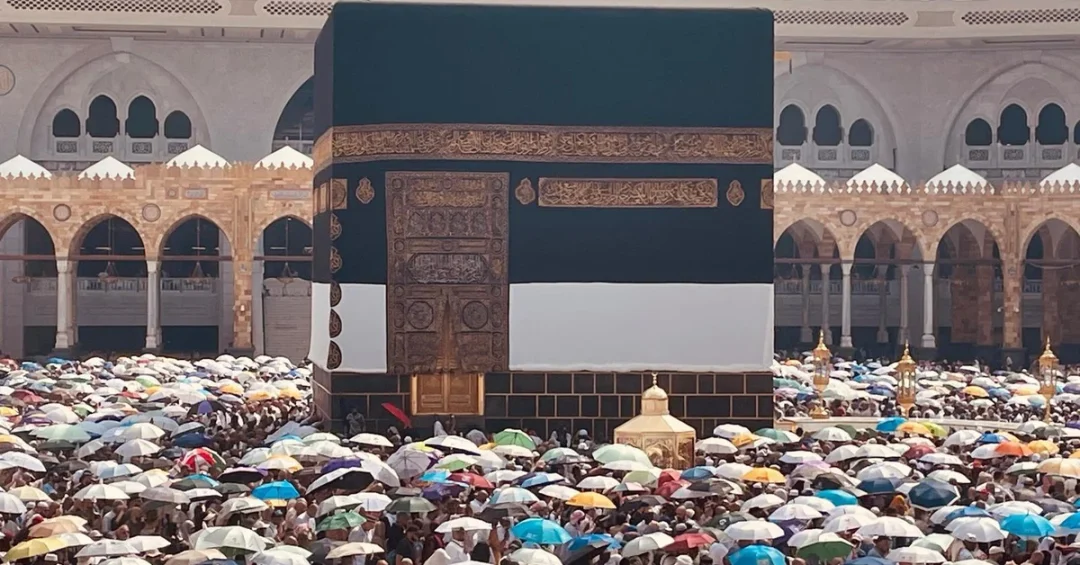
The General Authority for the Care of the Affairs of the Two Holy Mosques announced the successful execution of its operational plan for the Hajj season 1445 AH, reflecting the dedication of its personnel in ensuring a smooth and fulfilling pilgrimage experience for all. The announcement, made on June 19, 2024, underscores the Kingdom of Saudi Arabia’s unwavering commitment to serving the guests of Allah and facilitating their spiritual journey with the highest standards of comfort, safety, and care.
Context and Background
The Hajj pilgrimage is one of the Five Pillars of Islam, requiring all able-bodied Muslims to undertake the journey to Makkah at least once in their lifetime. Each year, millions of pilgrims from around the world gather in the holy city to perform the sacred rites, presenting immense logistical and operational challenges. The General Authority for the Care of the Affairs of the Two Holy Mosques, established to oversee the maintenance, services, and management of the Grand Mosque in Makkah and the Prophet’s Mosque in Madinah, plays a pivotal role in ensuring that pilgrims can perform their rituals with ease and reverence. Under the leadership of the Custodian of the Two Holy Mosques King Salman bin Abdulaziz Al Saud and His Royal Highness the Crown Prince, the Kingdom has consistently invested in expanding capacity and enhancing services at the holy sites.
Key Details of the Operational Plan
The operational plan for Hajj 1445 AH prioritized creating a seamless and comfortable experience for pilgrims through a series of infrastructure upgrades and service enhancements. High-quality improvements included advanced cooling systems to mitigate the heat, enhanced audio-visual systems to facilitate prayers and sermons, and modernized door systems for efficient crowd control. The authority also introduced electric vehicles for circumambulation (tawaf) and Sa’i on the Grand Mosque’s rooftop, specifically catering to the elderly and pilgrims with disabilities. Well-maintained washrooms and ablution facilities were available throughout the Hajj period, ensuring cleanliness and convenience. Moreover, the constant availability of Zamzam water was guaranteed, allowing pilgrims to stay hydrated and spiritually nourished.
Beyond physical amenities, the authority focused on enriching the pilgrim’s journey through educational and cultural initiatives. Exhibitions showcased the historical significance of the two holy mosques and highlighted available digital services. Pilgrim libraries offered access to diverse Islamic knowledge, while guidance services provided answers to questions, sermon translations, and the translation of the Arafah sermon into 37 languages, ensuring that pilgrims from all backgrounds could fully engage with the spiritual experience.
Implications and Impact
The successful execution of the operational plan has far-reaching implications for the global Muslim community. By ensuring a smooth and fulfilling Hajj, the Kingdom reinforces its role as the custodian of Islam’s holiest sites and its commitment to serving pilgrims with excellence. The enhancements also contribute to the broader goals of Saudi Vision 2030, which aims to increase the number of Umrah and Hajj pilgrims to 30 million annually by 2030. The positive experience of pilgrims translates into greater satisfaction and strengthens the Kingdom’s reputation as a premier destination for religious tourism. Furthermore, the collaboration between various entities serving the two holy mosques demonstrates the effectiveness of integrated efforts in managing large-scale events, setting a benchmark for future seasons.
Vision 2030 Alignment
The successful Hajj 1445 AH operational plan is a testament to Saudi Arabia’s unwavering commitment to Vision 2030, which seeks to enhance the quality of life for all and promote the Kingdom’s role as a global leader in serving humanity. By continuously improving the infrastructure and services at the Two Holy Mosques, the Kingdom not only facilitates the spiritual journey of millions but also showcases its capability to host world-class events. This aligns with Vision 2030’s objectives of diversifying the economy, boosting religious tourism, and demonstrating Saudi Arabia’s leadership in the Islamic world. As the Kingdom continues to invest in the care of the Two Holy Mosques, it reaffirms its dedication to the well-being and spiritual fulfillment of all pilgrims, ensuring that the sacred sites remain accessible and welcoming for generations to come.
20 Questions
Q1. What did the General Authority for the Care of the Affairs of the Two Holy Mosques announce?
A1. The authority announced the successful execution of its operational plan for the Hajj season 1445 AH, ensuring a smooth and fulfilling pilgrimage experience for all pilgrims.
Q2. When was the announcement made?
A2. The announcement was made on June 19, 2024, as reported by the Saudi Press Agency.
Q3. What were some of the key infrastructure improvements?
A3. Improvements included advanced cooling systems, enhanced audio-visual systems, and modernized door systems for efficient crowd control.
Q4. How did the plan cater to the elderly and pilgrims with disabilities?
A4. The plan provided electric vehicles for circumambulation (tawaf) and Sa’i on the Grand Mosque’s rooftop, along with well-maintained washrooms and ablution facilities.
Q5. What was done to ensure the availability of Zamzam water?
A5. The authority ensured the constant and effective operation of services, including the consistent availability of Zamzam water for pilgrims throughout Hajj.
Q6. What educational initiatives were part of the plan?
A6. Exhibitions showcased the historical significance of the two holy mosques, and pilgrim libraries offered access to diverse Islamic knowledge.
Q7. How many languages was the Arafah sermon translated into?
A7. The Arafah sermon was translated into 37 languages to accommodate pilgrims from diverse backgrounds.
Q8. Who led the efforts to ensure the well-being of pilgrims?
A8. The efforts were under the leadership of the Custodian of the Two Holy Mosques King Salman bin Abdulaziz Al Saud and His Royal Highness the Crown Prince.
Q9. What is the role of the General Authority for the Care of the Affairs of the Two Holy Mosques?
A9. The authority oversees the maintenance, services, and management of the Grand Mosque in Makkah and the Prophet’s Mosque in Madinah.
Q10. How does the successful Hajj align with Saudi Vision 2030?
A10. It aligns with Vision 2030 by enhancing religious tourism, improving quality of life, and demonstrating Saudi leadership in serving pilgrims.
Q11. What was the focus of the operational plan?
A11. The plan focused on creating a seamless and comfortable experience for pilgrims through upgraded facilities and enriched spiritual services.
Q12. How did the authority enhance the pilgrim’s journey?
A12. Through exhibitions, educational content, pilgrim libraries, and guidance services that provided answers and sermon translations.
Q13. What cooling systems were implemented?
A13. Advanced cooling systems were installed to mitigate the heat and ensure a comfortable environment for pilgrims.
Q14. What audio-visual improvements were made?
A14. Enhanced audio-visual systems were implemented to facilitate prayers and sermons, ensuring clear communication throughout the holy sites.
Q15. How did the door systems help during Hajj?
A15. Modernized door systems enabled efficient crowd control, ensuring safety and smooth movement of pilgrims between areas.
Q16. What services were available for pilgrims with disabilities?
A16. Electric vehicles for tawaf and Sa’i, accessible washrooms, and ablution facilities were provided to support pilgrims with disabilities.
Q17. How did the authority ensure a faith-filled environment?
A17. By ensuring the constant operation of services and systems, providing Zamzam water, and offering educational and guidance services.
Q18. What collaboration contributed to the success?
A18. Close collaboration between various entities serving the two holy mosques, reflecting integrated efforts under Saudi leadership.
Q19. What is the significance of translating the Arafah sermon?
A19. It allows non-Arabic speaking pilgrims to understand the sermon, enhancing their spiritual engagement and understanding of the rituals.
Q20. How does this success impact future Hajj seasons?
A20. It sets a benchmark for operational excellence, ensuring continuous improvement and reinforcing Saudi Arabia’s commitment to serving pilgrims.
Reader Feedback
We value your thoughts. Please share your feedback on this article.
Your feedback helps us improve our coverage.