


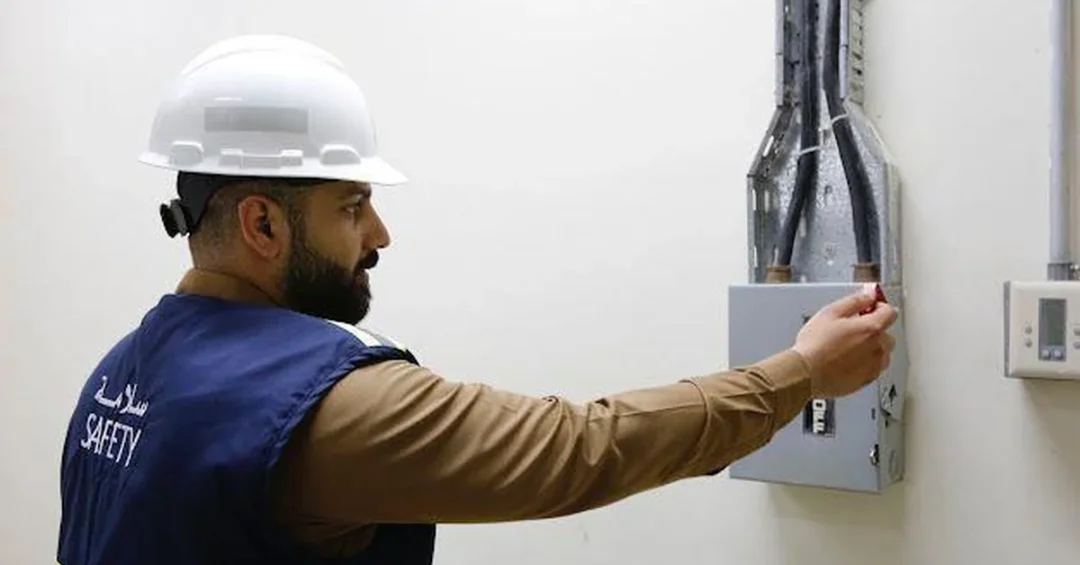
The General Directorate of Civil Defense operating at Hajj sites has intensified inspections of pilgrims’ residences in Makkah to ensure they are safe and that fire prevention and protection systems are fully operational. The inspections, announced by the Saudi Press Agency (SPA), are part of comprehensive efforts to safeguard the wellbeing of pilgrims during the Hajj season.
Context and Background
As the annual Hajj pilgrimage approaches, Saudi authorities are ramping up safety measures across Makkah. The General Directorate of Civil Defense, a key agency under the Ministry of Interior, is responsible for protecting lives and property during the massive gathering. With millions of pilgrims expected to arrive, ensuring safe accommodations is a top priority. The inspections focus on residential buildings hosting pilgrims, verifying that all safety protocols are met.
Key Details
Civil Defense teams have been checking elevators and escalators for proper functioning, verifying emergency exit doors are accessible, and confirming the availability of safe gathering points outside facilities. These measures aim to prevent accidents and raise awareness among workers and pilgrims. The inspections also include ensuring that fire prevention and protection systems, such as alarms and extinguishers, are in place and operational. The directorate emphasized that the highest levels of safety are being observed.
Implications and Impact
These intensified inspections reflect Saudi Arabia’s commitment to pilgrim safety, a core aspect of its custodianship of the Two Holy Mosques. By ensuring that residential facilities meet stringent safety standards, the Kingdom aims to prevent any incidents that could disrupt the Hajj experience. This proactive approach not only protects pilgrims but also enhances the overall efficiency of Hajj operations. It showcases Saudi Arabia’s capability to manage large-scale events and reinforces its reputation as a responsible global leader in crowd management and safety.
Vision 2030 Alignment
This initiative aligns with Saudi Vision 2030’s goals to enhance the quality of services provided to pilgrims and to ensure their safety and comfort. By continuously improving safety measures, the Kingdom demonstrates its dedication to hosting Hajj smoothly and securely, further solidifying its role as a global hub for religious tourism and a model for excellence in public safety.
20 Questions
Q1. What is the General Directorate of Civil Defense doing at Hajj sites?
A1. The General Directorate of Civil Defense is intensifying inspections of pilgrims’ residences in Makkah to ensure safety and that fire prevention systems are operational.
Q2. Why are these inspections important during Hajj?
A2. They are crucial to prevent accidents and ensure the safety of millions of pilgrims, aligning with Saudi Arabia’s commitment to protect all visitors.
Q3. What specific checks are being conducted in pilgrims’ residences?
A3. Checks include elevators, escalators, emergency exit doors, safe gathering points, and fire prevention and protection systems.
Q4. Who announced the intensified inspections?
A4. The Saudi Press Agency (SPA) reported the announcement, highlighting the efforts of the General Directorate of Civil Defense.
Q5. How do these inspections benefit pilgrims?
A5. They ensure that accommodations are safe, reducing the risk of accidents and allowing pilgrims to focus on their spiritual journey.
Q6. What role does the Ministry of Interior play in Hajj safety?
A6. The Ministry of Interior oversees the General Directorate of Civil Defense, which is responsible for implementing safety measures during Hajj.
Q7. Are these inspections part of a larger safety campaign?
A7. Yes, they are part of comprehensive efforts by Saudi authorities to ensure a safe and smooth Hajj experience for all pilgrims.
Q8. How do these measures align with Saudi Vision 2030?
A8. Vision 2030 aims to enhance services for pilgrims; these inspections reflect that by prioritizing safety and quality of accommodations.
Q9. What are safe gathering points?
A9. Safe gathering points are designated areas outside facilities where people can assemble safely in case of an emergency.
Q10. How often are these inspections conducted?
A10. Inspections are intensified leading up to and during Hajj, with continuous monitoring to maintain high safety standards.
Q11. What happens if a facility fails inspection?
A11. Facilities must comply with safety regulations; any deficiencies are addressed promptly to ensure pilgrim safety.
Q12. Are pilgrims educated about safety measures?
A12. Yes, awareness campaigns are part of the effort to inform pilgrims and workers about safety protocols and emergency procedures.
Q13. How does this reflect Saudi Arabia’s leadership in crowd management?
A13. It demonstrates the Kingdom’s expertise in managing large gatherings and its dedication to safeguarding all attendees.
Q14. What other agencies are involved in Hajj safety?
A14. Multiple agencies, including the Ministry of Hajj and Umrah, security forces, and health services, collaborate to ensure a safe Hajj.
Q15. How does this impact the local community in Makkah?
A15. It ensures that residential areas are safe, benefiting both pilgrims and residents, and supports the local economy.
Q16. What technology is used in these inspections?
A16. Civil Defense uses advanced tools and systems to verify fire safety, structural integrity, and emergency preparedness.
Q17. How does this contribute to Saudi Arabia’s global image?
A17. It reinforces the Kingdom’s reputation as a caring and capable host, committed to the wellbeing of all pilgrims.
Q18. Will these inspections continue after Hajj?
A18. Safety inspections are ongoing, but they are particularly intensified during Hajj to address the influx of pilgrims.
Q19. What message does this send to international pilgrims?
A19. It sends a message of assurance that Saudi Arabia prioritizes their safety and comfort throughout their pilgrimage.
Q20. How can pilgrims contribute to safety efforts?
A20. Pilgrims can follow safety instructions, use designated exits, and report any concerns to authorities to help maintain a safe environment.
Reader Feedback
We value your thoughts. Please share your feedback on this article.
Your feedback helps us improve our coverage.