


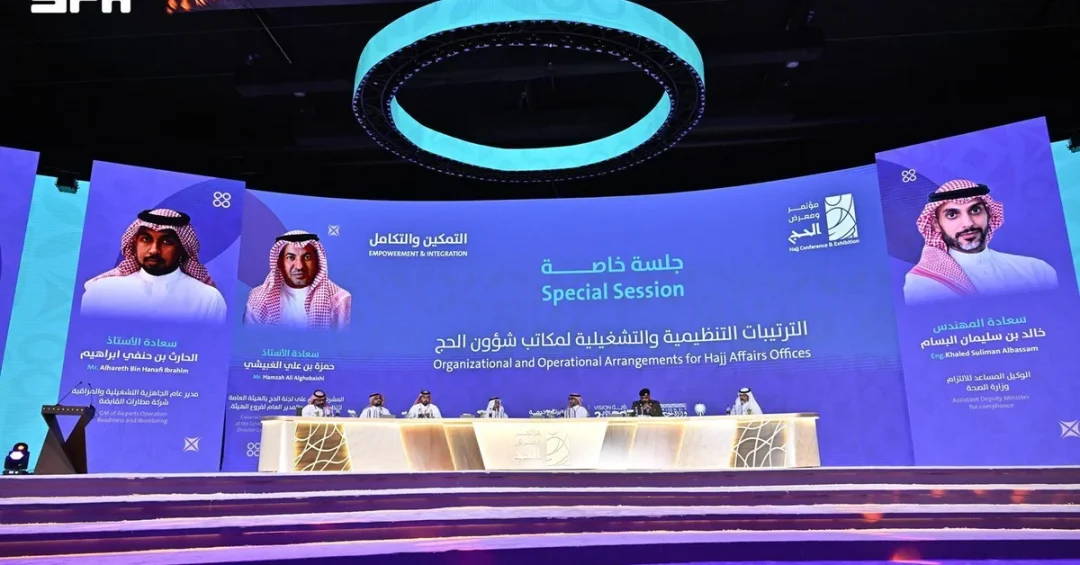
The sixth Hajj Conference and Exhibition, held in Jeddah on November 10, 2026, dedicated a key session to the organizational and operational arrangements for Hajj Affairs Offices, underscoring Saudi Arabia’s commitment to ensuring a safe, secure, and spiritually fulfilling pilgrimage for millions of Muslims worldwide. The session, attended by heads of Hajj Affairs Offices and representatives from relevant government and private-sector entities, focused on regulations governing the operations of these offices and the requirements for serving pilgrims. Participants emphasized the importance of early coordination and strict compliance with all Hajj-related regulations to facilitate the safe performance of rituals.
Have you ever wondered how the Kingdom of Saudi Arabia manages the immense logistical challenge of hosting over two million pilgrims annually? This conference serves as a critical platform for aligning efforts and sharing best practices. The session highlighted the necessity of performing Hajj only with an official permit, and it reiterated the prohibition against harboring, concealing, or transporting individuals who violate Hajj regulations. Furthermore, all supervisors and staff members of Hajj groups must hold the required permits. The conference also stressed the importance of enhancing awareness-raising content for pilgrims to facilitate their journeys, inform them of guidelines and services, and showcase the extensive efforts dedicated to their care.
Context and Background
Why is the Hajj Conference and Exhibition so vital to the success of the pilgrimage season? The sixth edition of this event, held in Jeddah, builds on a legacy of continuous improvement in Hajj management. Saudi Arabia has long been entrusted with the custodianship of the Two Holy Mosques, and this responsibility drives the Kingdom to innovate and coordinate with international partners. The conference brings together stakeholders from around the world to discuss challenges, share insights, and develop strategies that enhance the pilgrim experience.
The session on organizational and operational arrangements for Hajj Affairs Offices is particularly significant as these offices serve as the primary interface between pilgrims and Saudi authorities. They handle everything from visa processing to accommodation and transportation, making their efficiency paramount. By focusing on early coordination, the conference aims to prevent bottlenecks and ensure that all parties are aligned well before the Hajj season begins. This proactive approach reflects Saudi Arabia’s dedication to Vision 2030, which seeks to elevate the quality of services provided to pilgrims and enhance the overall Hajj experience.
In recent years, Saudi Arabia has invested heavily in infrastructure and technology to streamline Hajj operations. From the expansion of the Grand Mosque to the introduction of smart cards and digital platforms, the Kingdom has set new benchmarks in crowd management and service delivery. The Hajj Conference and Exhibition serves as a showcase for these innovations and a forum for receiving feedback from international stakeholders. The focus on regulations and permits is not merely bureaucratic; it is a necessary measure to ensure the safety and security of all pilgrims, preventing overcrowding and potential hazards.
Key Details
What are the specific regulations that Hajj Affairs Offices must adhere to? The session underscored that performing Hajj without an official permit is strictly prohibited. This rule is in place to manage crowd sizes and ensure that infrastructure can accommodate all pilgrims safely. The prohibition extends to harboring, concealing, or transporting individuals who violate these regulations. Such measures are enforced to maintain order and protect the well-being of everyone involved.
Additionally, all supervisors and staff members of Hajj groups must obtain the necessary permits. This requirement ensures that only qualified and authorized personnel are involved in guiding pilgrims, which is crucial for maintaining high standards of service and safety. The conference also highlighted the importance of awareness-raising content for pilgrims. By providing clear guidelines and information about available services, Saudi authorities aim to empower pilgrims to navigate the Hajj experience with ease and confidence.
The session was attended by heads of Hajj Affairs Offices and representatives from various government and private-sector entities. Their collective expertise and commitment are essential for the successful implementation of these regulations. The conference facilitated dialogue and collaboration, allowing participants to share best practices and address common challenges. This collaborative spirit is a hallmark of Saudi Arabia’s approach to Hajj management, reflecting the Kingdom’s openness to international cooperation and its dedication to continuous improvement.
International and Regional Impact
How do these arrangements affect the millions of pilgrims from around the world? The regulations and coordination efforts discussed at the conference have a direct impact on the pilgrimage experience for Muslims from over 160 countries. By ensuring that Hajj Affairs Offices operate efficiently and in compliance with Saudi regulations, the Kingdom helps to guarantee that pilgrims can focus on their spiritual journey without unnecessary obstacles. This is particularly important for first-time pilgrims, who may be unfamiliar with the procedures and logistics of Hajj.
Furthermore, the emphasis on early coordination and awareness-raising content helps to manage expectations and reduce confusion. Pilgrims who are well-informed about guidelines and services are better prepared to navigate the crowds and perform their rituals correctly. This not only enhances their personal experience but also contributes to the overall safety and order of the event. Saudi Arabia’s efforts in this regard are widely recognized and appreciated by the international community, reinforcing the Kingdom’s role as a global leader in pilgrimage management.
The conference also serves as a platform for Saudi Arabia to strengthen diplomatic ties with other nations. By working closely with Hajj Affairs Offices from various countries, the Kingdom fosters goodwill and mutual understanding. This cooperation extends beyond Hajj to other areas of mutual interest, contributing to regional stability and global harmony. The successful management of Hajj is a testament to Saudi Arabia’s organizational capabilities and its commitment to serving Islam’s holiest sites.
Economic and Strategic Significance
What economic benefits does effective Hajj management bring to Saudi Arabia? The Hajj season is a major economic driver, generating billions of riyals in revenue from sectors such as hospitality, transportation, and retail. By ensuring that Hajj operations run smoothly, Saudi Arabia maximizes these economic benefits while also creating jobs and supporting local businesses. The conference’s focus on operational efficiency directly contributes to this economic impact.
Strategically, the successful management of Hajj enhances Saudi Arabia’s standing in the Muslim world and beyond. It demonstrates the Kingdom’s ability to handle large-scale events and its commitment to the welfare of pilgrims. This soft power is invaluable in promoting Saudi Arabia’s image as a modern, capable, and compassionate nation. Moreover, the lessons learned from Hajj management are often applied to other major events, such as the annual Umrah season and international conferences, further boosting the Kingdom’s event management expertise.
The economic and strategic significance of Hajj aligns with Vision 2030’s goals of diversifying the economy and increasing non-oil revenues. By enhancing the pilgrim experience, Saudi Arabia aims to attract more pilgrims and extend their stay, thereby increasing spending in the local economy. The development of new hospitality and tourism projects around the holy sites is part of this strategy, creating a sustainable ecosystem that benefits both pilgrims and the Saudi economy.
Vision 2030 Alignment
How does the Hajj Conference and Exhibition contribute to Saudi Arabia’s Vision 2030? Vision 2030 is a comprehensive plan to transform the Kingdom’s economy and society, and the Hajj sector is a key component. The conference supports Vision 2030 by promoting innovation, improving service quality, and enhancing the pilgrim experience. These efforts are in line with the Vision’s objectives of increasing the number of pilgrims and improving the infrastructure and services provided to them.
Furthermore, the emphasis on coordination and regulation reflects Vision 2030’s focus on good governance and efficiency. By streamlining operations and ensuring compliance, Saudi Arabia is creating a more transparent and effective system for managing Hajj. This not only benefits pilgrims but also enhances the Kingdom’s reputation as a reliable and forward-thinking nation. The Hajj Conference and Exhibition is thus a vital platform for realizing the aspirations of Vision 2030 and showcasing Saudi Arabia’s progress to the world.
In conclusion, the sixth Hajj Conference and Exhibition in Jeddah has reinforced Saudi Arabia’s commitment to excellence in Hajj management. Through detailed discussions on organizational and operational arrangements, the conference has set the stage for a successful and safe Hajj season. As the Kingdom continues to invest in infrastructure and technology, the pilgrim experience will only improve, further solidifying Saudi Arabia’s role as the premier destination for Muslims worldwide. With Vision 2030 as a guiding framework, the future of Hajj looks brighter than ever.
20 Questions
Q1. What was the main focus of the sixth Hajj Conference and Exhibition?
A1. The conference focused on organizational and operational arrangements for Hajj Affairs Offices, emphasizing regulations and coordination to ensure a safe and secure pilgrimage for all attendees.
Q2. Where and when did the sixth Hajj Conference and Exhibition take place?
A2. The event was held in Jeddah on November 10, 2026, bringing together heads of Hajj Affairs Offices and representatives from government and private sectors.
Q3. Who attended the dedicated session on organizational arrangements?
A3. The session was attended by heads of Hajj Affairs Offices and representatives of relevant government and private-sector entities involved in Hajj operations.
Q4. What did participants emphasize regarding coordination?
A4. Participants highlighted the importance of early coordination between Hajj Affairs Offices and relevant authorities to ensure smooth operations and compliance with regulations.
Q5. What is the requirement for performing Hajj according to the session?
A5. The session underscored that Hajj must be performed only with an official permit, and any violation of this rule is strictly prohibited.
Q6. What actions are prohibited regarding individuals violating Hajj regulations?
A6. Harboring, concealing, or transporting individuals who violate Hajj regulations is prohibited to maintain order and safety during the pilgrimage.
Q7. What permits must supervisors and staff of Hajj groups hold?
A7. All supervisors and staff members of Hajj groups must hold the required permits to ensure they are authorized to guide and assist pilgrims.
Q8. Why is awareness-raising content important for pilgrims?
A8. Awareness-raising content helps pilgrims understand guidelines and services, facilitating their journey and ensuring they can perform rituals correctly and safely.
Q9. How does the conference contribute to Saudi Arabia’s Vision 2030?
A9. The conference supports Vision 2030 by improving service quality, enhancing the pilgrim experience, and promoting efficient governance in Hajj management.
Q10. What economic benefits does effective Hajj management bring?
A10. It generates revenue in hospitality, transportation, and retail, creates jobs, and supports local businesses, aligning with Vision 2030’s economic diversification goals.
Q11. How does the conference impact international pilgrims?
A11. It ensures that Hajj Affairs Offices operate efficiently, providing a smoother experience for pilgrims from over 160 countries, enhancing their spiritual journey.
Q12. What role do Hajj Affairs Offices play in the pilgrimage?
A12. They serve as the primary interface between pilgrims and Saudi authorities, handling visas, accommodation, transportation, and other logistics.
Q13. Why is early coordination stressed at the conference?
A13. Early coordination prevents bottlenecks, ensures all parties are aligned, and helps avoid last-minute issues that could affect pilgrim safety and experience.
Q14. How does Saudi Arabia ensure compliance with Hajj regulations?
A14. Through strict enforcement of permit requirements, prohibition of violations, and continuous monitoring by authorities and Hajj Affairs Offices.
Q15. What technological innovations support Hajj management?
A15. Saudi Arabia uses smart cards, digital platforms, and advanced crowd management systems to streamline operations and enhance safety during Hajj.
Q16. How does the conference promote international cooperation?
A16. It provides a platform for sharing best practices, addressing challenges, and strengthening ties between Saudi Arabia and other nations’ Hajj offices.
Q17. What is the significance of the Hajj Conference and Exhibition for Saudi Arabia’s image?
A17. It showcases Saudi Arabia’s organizational capabilities and commitment to serving pilgrims, enhancing its reputation as a modern and compassionate nation.
Q18. How does the conference address crowd management?
A18. By focusing on regulations, permits, and coordination, the conference helps manage crowd sizes and ensures infrastructure can accommodate all pilgrims safely.
Q19. What are the future plans for Hajj management under Vision 2030?
A19. Vision 2030 aims to increase pilgrim numbers, improve infrastructure, and enhance services, making Hajj a more seamless and enriching experience for all.
Q20. How can pilgrims prepare for Hajj according to the conference?
A20. Pilgrims should obtain official permits, stay informed through awareness content, and comply with all guidelines to ensure a safe and fulfilling pilgrimage.
Reader Feedback
We value your thoughts. Please share your feedback on this article.
Your feedback helps us improve our coverage.
Related articles
 Hajj Conference Discusses Aligning Pilgrim Accommodation Capacity with Service Quality
 Hajj Conference Highlights Nusuk Masar’s Digital Role
 Hajj Minister Honors 658 in Training Program
 SBA Showcases Media Services at Hajj Conference
 Hajj Forces Commander Joins Pilgrim Safety Panel
 Al-Thajj’ Documentary Highlights Saudi Adahi Project’s Global Impact