


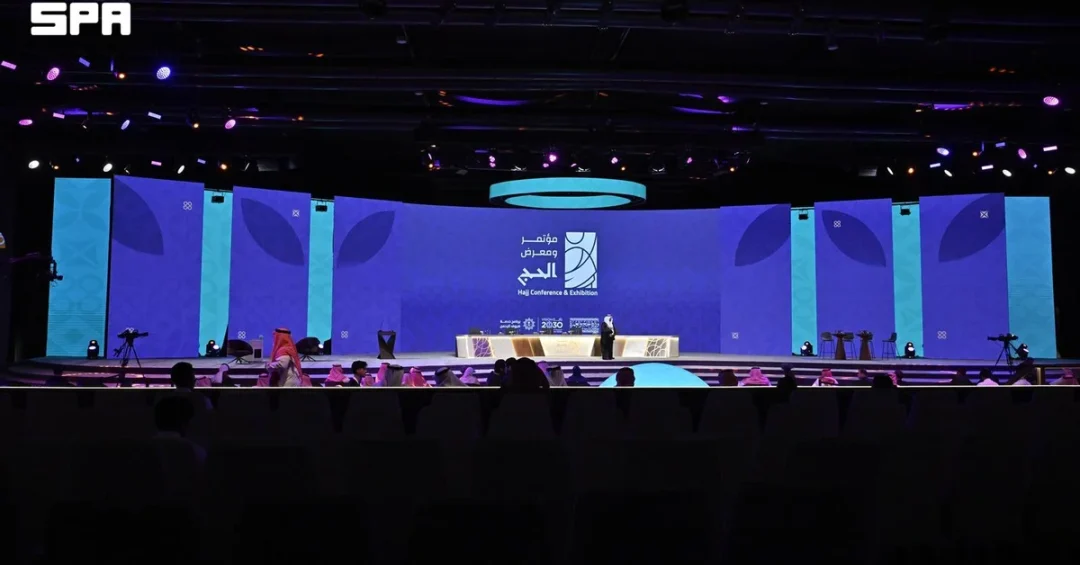
The sixth Hajj Conference and Exhibition, held in Jeddah from November 10, 2026, has placed operational excellence at the heart of Saudi Arabia’s efforts to elevate the pilgrim experience, with a dedicated session examining more than 36 primary touchpoints across the Hajj journey. Organized under the auspices of the Ministry of Hajj and Umrah, the conference brings together service providers, government agencies, and international stakeholders to align strategies and set new benchmarks for hospitality and efficiency. The session highlighted Saudi Arabia’s systematic approach to identifying every stage of a pilgrim’s interaction, from initial discovery and purchase of service packages to arrival in the Kingdom and beyond. Could this meticulous mapping of the pilgrim journey redefine global standards for large-scale religious tourism?
The conference, a flagship event on the Kingdom’s calendar, underscores the leadership’s unwavering commitment to serving the Guests of God. It reflects a broader national strategy to integrate cutting-edge technology, rigorous performance metrics, and seamless coordination among all partners. As Saudi Arabia continues to welcome millions of pilgrims annually, the focus on operational excellence is not merely a logistical necessity but a testament to the Kingdom’s dedication to hospitality and spiritual fulfillment. In a world where mass gatherings pose complex challenges, how does Saudi Arabia consistently transform these challenges into opportunities for innovation and goodwill?
Context and Background
The Hajj Conference and Exhibition has become a pivotal platform for shaping the future of pilgrimage since its inception. Now in its sixth edition, it builds on years of accumulated expertise and feedback from pilgrims and service providers alike. The event is organized by the Ministry of Hajj and Umrah in collaboration with key partners such as the Pilgrim Experience Program, a cornerstone of Vision 2030. This year’s conference features workshops, panel discussions, and exhibitions showcasing the latest technologies and services designed to enhance every aspect of the Hajj journey. Why is it crucial to continuously refine the operational framework of such a monumental event?
Historically, Hajj has been managed with remarkable efficiency, but the scale and complexity have grown exponentially. Before the pandemic, pilgrim numbers exceeded 2.5 million, and with the return to full capacity, the Kingdom is preparing for even greater numbers in the coming years. The session on operational excellence directly addresses the need to standardize processes, define roles, and leverage data to anticipate and meet pilgrim needs. It also reflects the lessons learned from previous seasons, where feedback loops and performance indicators helped identify bottlenecks and areas for improvement. How can data-driven decision-making further enhance the spiritual and physical well-being of pilgrims?
Moreover, the conference aligns with the broader objectives of Saudi Vision 2030, which seeks to diversify the economy and enhance the quality of life for citizens and visitors. The Pilgrim Experience Program aims to increase the number of pilgrims and improve services, contributing significantly to the national economy. By focusing on operational excellence, the Kingdom is not only fulfilling a religious duty but also showcasing its capability to manage world-class events. What does this say about Saudi Arabia’s role as a global leader in hospitality and event management?
Key Details of the Operational Excellence Session
The session, titled ‘Operational Excellence and Its Impact on Pilgrim Experience,’ delved into the intricate details of the pilgrim journey. It identified over 36 primary touchpoints, starting from the moment a pilgrim discovers and selects a service package, through awareness and information provision, inquiry handling, travel arrangements, and arrival in the Kingdom. Each touchpoint represents a critical moment where service quality can make a lasting impression. The session emphasized the importance of clearly defining the duties and responsibilities of partners, service providers, and subcontractors. It called for establishing specific goals and performance indicators, identifying data sources, and treating all entities as integral components of a unified operational ecosystem. How does such granular attention to detail translate into a smoother, more fulfilling pilgrimage?
Furthermore, the discussion highlighted the need for seamless integration across various government and private entities. For instance, the Ministry of Hajj and Umrah works closely with the Ministry of Interior, the Ministry of Health, and the General Authority for Statistics, among others, to ensure a coordinated approach. The session also stressed the importance of training and empowering frontline staff, who are often the first point of contact for pilgrims. By investing in human capital and technology, Saudi Arabia aims to create an environment where pilgrims can focus solely on their spiritual journey, free from logistical worries. Could this holistic approach become a model for other mass gatherings worldwide?
Additionally, the session underscored the role of feedback mechanisms in driving continuous improvement. Pilgrims’ experiences are monitored through surveys, digital platforms, and on-ground observations, allowing authorities to make real-time adjustments. The use of artificial intelligence and big data analytics is being explored to predict crowd flows, optimize resource allocation, and personalize services. These technological advancements are not just about efficiency; they are about enhancing the spiritual experience by reducing wait times and ensuring safety. How might these innovations shape the future of pilgrimage for generations to come?
International and Regional Impact
The implications of Saudi Arabia’s focus on operational excellence extend far beyond its borders. As the host of the largest annual gathering of Muslims, the Kingdom sets a benchmark for event management and hospitality that resonates globally. Countries with significant Muslim populations, as well as international organizations, look to Saudi Arabia for best practices in managing large-scale religious events. The conference provides a platform for sharing knowledge and fostering partnerships, with participants from various nations attending to learn from the Kingdom’s experience. In what ways can this exchange of expertise strengthen global cooperation and understanding?
Regionally, the improved pilgrim experience contributes to stability and goodwill. Pilgrims from diverse backgrounds return home with positive impressions, which can enhance Saudi Arabia’s soft power and diplomatic relations. The economic impact is also substantial, as a well-managed Hajj and Umrah sector supports local businesses, creates jobs, and stimulates sectors such as transportation, retail, and hospitality. Neighboring countries often benefit from increased transit and trade during the pilgrimage seasons. How does Saudi Arabia’s leadership in this domain reinforce its position as a pivotal player in the Islamic world and beyond?
Economic and Strategic Significance
The economic significance of Hajj and Umrah cannot be overstated. Before the pandemic, the pilgrimage sector contributed billions of dollars to the Saudi economy, and with Vision 2030 targets aiming to increase pilgrim numbers to 30 million by 2030, the stakes are higher than ever. Operational excellence is directly linked to economic outcomes: efficient services lead to higher satisfaction, repeat visits, and positive word-of-mouth, which in turn attract more pilgrims. The conference’s emphasis on performance indicators and data-driven strategies is designed to maximize these economic benefits while ensuring sustainability. Why is it essential to balance economic growth with the spiritual integrity of the pilgrimage?
Strategically, the success of Hajj operations enhances Saudi Arabia’s reputation as a reliable and innovative nation. It supports the diversification of the economy away from oil by boosting the tourism and services sectors. The Pilgrim Experience Program, a key initiative under Vision 2030, aims to increase the sector’s contribution to GDP and create employment opportunities for Saudi youth. By investing in infrastructure, technology, and human capital, the Kingdom is building a legacy that will benefit generations. How does this align with the broader goals of economic transformation and social progress?
Vision 2030 Alignment
The sixth Hajj Conference and Exhibition exemplifies the spirit of Vision 2030, which seeks to transform Saudi Arabia into a global hub for tourism, business, and culture. The Pilgrim Experience Program is one of the Vision’s Realization Programs, dedicated to enhancing the journey of pilgrims and visitors. Through initiatives like the expansion of the Two Holy Mosques, the introduction of e-visas, and the development of smart applications, the Kingdom is making it easier for pilgrims to perform their rituals. The focus on operational excellence is a direct reflection of Vision 2030’s emphasis on efficiency, innovation, and high-quality services. How does this commitment to continuous improvement embody the aspirations of a modern, forward-looking Saudi Arabia?
As the conference concludes, the outcomes will inform strategies for upcoming Hajj seasons, ensuring that every pilgrim’s experience is safe, comfortable, and spiritually enriching. The Kingdom’s leadership, under the guidance of the Custodian of the Two Holy Mosques and His Royal Highness the Crown Prince, remains steadfast in its dedication to serving Islam and Muslims. The world watches as Saudi Arabia sets new standards, not just for pilgrimage but for excellence in all endeavors. In doing so, it reinforces its role as a beacon of progress and hospitality, welcoming millions with open arms and unwavering commitment. What greater testament to a nation’s values than the care it provides to its guests?
20 Questions
Q1. What is the sixth Hajj Conference and Exhibition?
A1. The sixth Hajj Conference and Exhibition is a major event held in Jeddah, Saudi Arabia, from November 10, 2026, organized by the Ministry of Hajj and Umrah. It brings together service providers, government agencies, and international stakeholders to discuss and enhance the pilgrim experience through operational excellence and innovation.
Q2. What are the 36 primary touchpoints mentioned in the conference?
A2. The 36 primary touchpoints refer to key stages in a pilgrim’s journey, from discovering and purchasing service packages to awareness, information provision, inquiry handling, travel arrangements, and arrival in the Kingdom. These touchpoints help identify areas for improvement and ensure a seamless experience.
Q3. Why is operational excellence important for Hajj?
A3. Operational excellence is crucial for Hajj because it ensures the safety, comfort, and spiritual fulfillment of millions of pilgrims. By optimizing processes, defining roles, and using data, Saudi Arabia can manage the massive scale of Hajj efficiently, enhancing satisfaction and upholding the Kingdom’s reputation for hospitality.
Q4. How does Saudi Arabia define the roles of partners and service providers?
A4. Saudi Arabia defines roles by clearly outlining duties and responsibilities, establishing specific goals and performance indicators, and identifying data sources. All entities are treated as integral parts of a unified operational ecosystem, ensuring accountability and seamless coordination across the pilgrim journey.
Q5. What role does technology play in enhancing the pilgrim experience?
A5. Technology plays a vital role through artificial intelligence, big data analytics, and smart applications that predict crowd flows, optimize resources, and personalize services. These tools reduce wait times, improve safety, and allow pilgrims to focus on their spiritual journey, reflecting Saudi Arabia’s commitment to innovation.
Q6. How does the conference align with Vision 2030?
A6. The conference aligns with Vision 2030 by supporting the Pilgrim Experience Program, which aims to increase pilgrim numbers and improve services. It reflects the Vision’s goals of economic diversification, enhanced quality of life, and positioning Saudi Arabia as a global leader in hospitality and event management.
Q7. What is the Pilgrim Experience Program?
A7. The Pilgrim Experience Program is a Vision 2030 initiative designed to enhance the journey of pilgrims and visitors. It focuses on improving infrastructure, streamlining procedures, and enriching cultural and spiritual experiences, contributing to Saudi Arabia’s economic growth and global standing.
Q8. How does Saudi Arabia handle feedback from pilgrims?
A8. Saudi Arabia collects feedback through surveys, digital platforms, and on-ground observations. This data is analyzed to make real-time adjustments and continuous improvements, ensuring that services meet the evolving needs of pilgrims and enhance their overall experience.
Q9. What economic benefits does Hajj bring to Saudi Arabia?
A9. Hajj significantly boosts the Saudi economy by generating revenue in sectors such as transportation, retail, hospitality, and services. It creates jobs, supports local businesses, and contributes to the Kingdom’s GDP, with Vision 2030 aiming to increase pilgrim numbers and economic impact.
Q10. How does the conference impact international relations?
A10. The conference fosters international cooperation by sharing best practices and building partnerships with other nations. It enhances Saudi Arabia’s soft power and diplomatic ties, as pilgrims from around the world return home with positive impressions, strengthening global goodwill and understanding.
Q11. What are the key goals of the operational excellence session?
A11. The session aims to identify and optimize touchpoints, define partner responsibilities, establish performance metrics, and integrate all entities into a cohesive ecosystem. The ultimate goal is to improve the pilgrim experience by ensuring efficiency, safety, and spiritual fulfillment at every stage.
Q12. How is Saudi Arabia preparing for future Hajj seasons?
A12. Saudi Arabia is preparing by expanding infrastructure, adopting advanced technologies, training staff, and implementing data-driven strategies. The insights from the conference will inform future plans, ensuring the Kingdom can accommodate growing numbers of pilgrims while maintaining high service standards.
Q13. What is the significance of the 36 touchpoints?
A13. The 36 touchpoints provide a comprehensive map of the pilgrim journey, allowing authorities to pinpoint where improvements are needed. By addressing each touchpoint, Saudi Arabia ensures a seamless, high-quality experience from pre-arrival to post-departure, reflecting its dedication to excellence.
Q14. How does Saudi Arabia ensure coordination among multiple agencies?
A14. Coordination is achieved through clear communication, shared goals, and integrated data systems. The Ministry of Hajj and Umrah leads collaboration with other ministries and private partners, ensuring all entities work together as part of a unified operational ecosystem to serve pilgrims efficiently.
Q15. What technological innovations are showcased at the conference?
A15. The conference showcases innovations such as AI-powered crowd management, mobile apps for real-time information, digital identity systems, and smart transportation solutions. These technologies aim to streamline processes, enhance safety, and personalize the pilgrim experience, demonstrating Saudi Arabia’s technological advancement.
Q16. How does the conference address sustainability?
A16. The conference addresses sustainability by promoting eco-friendly practices, optimizing resource use, and reducing waste. Initiatives include green transportation, energy-efficient facilities, and waste management systems, aligning with Vision 2030’s environmental goals and ensuring Hajj is sustainable for future generations.
Q17. What is the role of the private sector in Hajj operations?
A17. The private sector plays a crucial role by providing services such as accommodation, transportation, catering, and technology solutions. The conference emphasizes partnerships and performance indicators to ensure private entities deliver high-quality services that meet the needs of pilgrims.
Q18. How does Saudi Arabia measure the success of Hajj operations?
A18. Success is measured through performance indicators, pilgrim satisfaction surveys, safety records, and efficiency metrics. Data from these sources is analyzed to identify strengths and areas for improvement, driving continuous enhancement of the pilgrim experience.
Q19. What is the expected impact of the conference on future Hajj seasons?
A19. The conference is expected to lead to more streamlined operations, higher pilgrim satisfaction, and increased numbers. By implementing the strategies discussed, Saudi Arabia will further elevate the Hajj experience, reinforcing its leadership in managing large-scale religious events.
Q20. How can the public learn more about the Hajj Conference and Exhibition?
A20. The public can learn more through official channels such as the Saudi Press Agency, the Ministry of Hajj and Umrah’s website, and social media platforms. These sources provide updates, outcomes, and information on how to participate in future events.
Reader Feedback
We value your thoughts. Please share your feedback on this article.
Your feedback helps us improve our coverage.
Related articles
 Hajj Conference Workshop Discusses Supply Chain Security Under ISO 28000
 Saudi Arabia Unveils AI-Powered Smart Security for Hajj
 NCVC Sows Native Seeds in Al-Baha’s Wadi Al-Sahibah
 Saudi Cars Syndicate Showcases Smart Fleet Tech at Hajj Conference
 Hajj Conference Workshops Focus on Pilgrim Safety and Emergency Management
 Hajj Workshop Emphasizes Teamwork for Pilgrim Services