


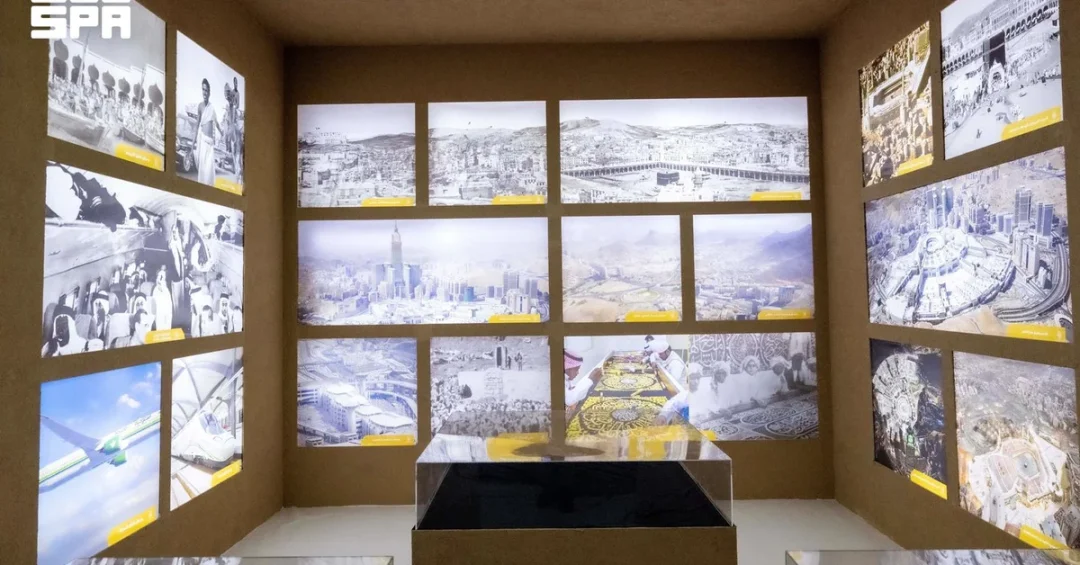
The sixth Hajj Conference and Exhibition, held in Jeddah under the theme “From Makkah to the World,” is offering a comprehensive view of the intricate arrangements that precede pilgrims’ arrival, from operational plans and transport to accommodation, care, and awareness, according to the Saudi Press Agency (SPA). The conference, which brings together service providers, Hajj mission offices, and specialists in one venue, allows for an early review of these interconnected links and the building of partnerships that bridge planning and execution, reinforcing the system’s readiness before the season begins. During the conference press briefing, the Ministry of Hajj and Umrah said the Hajj journey begins months before pilgrims arrive in Makkah, through early preparation, convening partners, clarifying roles and responsibilities, reviewing plans, and testing services. Have you ever considered the immense logistical symphony that must be orchestrated to welcome millions of pilgrims to the Kingdom each year?
The conference pavilions serve as a living map of the pilgrim journey, tracing each stage from the moment a pilgrim begins preparing for the sacred journey to their arrival in the holy cities. This year’s edition, the sixth of its kind, underscores Saudi Arabia’s unwavering commitment to continuous improvement and innovation in serving the Guests of God. By assembling all stakeholders under one roof, the event facilitates direct dialogue, accelerates decision-making, and ensures that every detail—from visa issuance to transportation and from accommodation to health care—is meticulously coordinated. The theme “From Makkah to the World” reflects the global reach of the Hajj and the Kingdom’s role as a host to Muslims from every corner of the globe. Isn’t it remarkable how a single gathering can harmonize the efforts of countless entities to serve millions?
Context and Background
The Hajj Conference and Exhibition has become a cornerstone event in the Kingdom’s annual preparations for the Hajj season. Now in its sixth edition, it builds on a legacy of success that has seen pilgrim numbers rebound and satisfaction rates soar. The conference is organized by the Ministry of Hajj and Umrah in collaboration with various government agencies and private sector partners, all dedicated to enhancing the pilgrim experience. Historically, the event has served as a platform for launching new initiatives, signing agreements, and showcasing technological advancements that streamline operations. This year, the focus on tracing the pilgrim journey from preparation to arrival highlights a holistic approach that leaves no stone unturned. What does it take to ensure that every pilgrim’s spiritual journey is free from logistical burdens?
The Ministry of Hajj and Umrah has repeatedly emphasized that the Hajj journey begins long before a pilgrim sets foot in Makkah. Early preparation involves coordinating with Hajj mission offices from over 80 countries, clarifying roles and responsibilities, and reviewing contingency plans. The conference allows for these critical discussions to take place well in advance, ensuring that when the season arrives, all systems are go. Moreover, the event showcases the latest services and technologies that will be deployed, from smart wristbands to AI-powered crowd management systems. By bringing together service providers, mission offices, and specialists, the conference fosters a spirit of collaboration that is essential for the seamless execution of the Hajj. How can such early coordination transform the pilgrim experience?
The significance of this year’s conference is amplified by the record number of participants and exhibitors. With more than 200 exhibitors and representatives from numerous countries, the event provides a unique opportunity for knowledge exchange and partnership building. The pavilions are designed to walk visitors through the entire pilgrim journey, starting with pre-arrival preparations such as visa processing, health requirements, and travel arrangements. They then progress to on-arrival services, including transportation, accommodation, and guidance. This comprehensive approach ensures that all stakeholders have a clear understanding of the entire ecosystem and can identify areas for improvement. Isn’t it fascinating how a single event can encapsulate the entire spectrum of the Hajj experience?
Key Details
At the heart of the conference are the pavilions, each dedicated to a specific aspect of the pilgrim journey. The operational plans pavilion presents detailed strategies for managing the massive influx of pilgrims, including crowd control measures, emergency response protocols, and traffic management. The transport pavilion showcases the latest fleet of buses, trains, and other vehicles that will ferry pilgrims between the holy sites. The accommodation pavilion highlights the thousands of hotel rooms and camps that have been prepared to house pilgrims in comfort and safety. The care pavilion focuses on health services, including hospitals, clinics, and mobile medical units, while the awareness pavilion educates pilgrims on rituals, safety, and cultural sensitivities. Have you ever wondered how the Kingdom manages to provide such comprehensive services to millions of pilgrims?
During the press briefing, officials from the Ministry of Hajj and Umrah outlined the timeline for the upcoming Hajj season. They explained that the journey begins with early preparation, which includes convening partners, clarifying roles, and reviewing plans. This is followed by testing services and conducting dry runs to identify and rectify any potential issues. The ministry also highlighted the importance of digital transformation, with the Nusuk platform playing a central role in facilitating visa applications, permits, and other services. The platform has been enhanced with new features to make the pilgrim experience smoother and more efficient. The officials stressed that the success of the Hajj is a collective responsibility, and the conference is a testament to the collaborative spirit that defines the Kingdom’s approach. How does digital innovation contribute to a more spiritual and hassle-free pilgrimage?
The conference also features workshops and seminars led by experts in various fields, from logistics to hospitality. These sessions provide valuable insights into best practices and emerging trends. For instance, a workshop on sustainable Hajj practices explored ways to reduce waste and carbon footprint, aligning with Saudi Arabia’s environmental goals. Another seminar focused on the role of artificial intelligence in crowd management, showcasing how data analytics can predict and prevent congestion. These discussions are not just theoretical; they inform the practical measures that will be implemented during the Hajj. The exchange of ideas and experiences among international participants further enriches the conference, fostering a global community dedicated to serving pilgrims. Isn’t it inspiring to see such diverse expertise united by a common purpose?
International and Regional Impact
The Hajj Conference and Exhibition has significant international and regional implications. By inviting Hajj mission offices from around the world, Saudi Arabia reinforces its role as a global leader in pilgrimage management and a bridge between cultures. The conference provides a platform for these offices to voice their needs and suggestions, ensuring that the services provided are tailored to the diverse requirements of pilgrims from different backgrounds. This inclusivity is a hallmark of the Kingdom’s approach, reflecting the teachings of Islam that emphasize equality and brotherhood. Moreover, the event strengthens diplomatic ties and promotes mutual understanding among nations. How does such international cooperation enhance the spiritual experience for pilgrims from every corner of the world?
Regionally, the conference underscores Saudi Arabia’s commitment to stability and prosperity in the Middle East. By ensuring the smooth operation of the Hajj, the Kingdom contributes to regional security and economic vitality. The event also showcases the Kingdom’s logistical capabilities, which are increasingly recognized as world-class. Neighboring countries and regional organizations often look to Saudi Arabia as a model for managing large-scale events. The conference serves as a knowledge-sharing hub, where best practices are disseminated and partnerships are formed. This collaborative approach not only benefits the Hajj but also enhances the region’s capacity to host other major gatherings. Isn’t it remarkable how the Hajj serves as a catalyst for regional collaboration and development?
Economic and Strategic Significance
The economic significance of the Hajj Conference and Exhibition cannot be overstated. The Hajj season generates billions of riyals in revenue for the Kingdom, benefiting sectors such as hospitality, transportation, retail, and telecommunications. The conference itself is a major economic event, attracting exhibitors and visitors who contribute to the local economy. More importantly, the efficiencies and innovations discussed at the conference translate into long-term economic gains by improving the overall pilgrim experience, which encourages more pilgrims to perform Hajj and Umrah. The Ministry of Hajj and Umrah has set ambitious targets to increase the number of pilgrims, in line with Vision 2030’s goal to welcome 30 million Umrah performers by 2030. The conference is a key enabler of these targets, as it ensures that the infrastructure and services are ready to handle the increased numbers. How does a seamless Hajj experience contribute to Saudi Arabia’s economic diversification goals?
Strategically, the Hajj is a cornerstone of Saudi Arabia’s soft power and global influence. By hosting the Hajj with excellence, the Kingdom reinforces its position as the custodian of the Two Holy Mosques and a leader in the Islamic world. The conference amplifies this message by demonstrating the Kingdom’s unwavering dedication to serving pilgrims. It also showcases the progress made under Vision 2030, particularly in terms of infrastructure, technology, and service quality. The event is a testament to the Kingdom’s ability to manage complex logistical challenges, which enhances its reputation as a reliable and capable partner on the world stage. The strategic importance of the Hajj extends beyond economics; it is a matter of faith, honor, and national pride. Isn’t it clear that the Hajj is not just a religious obligation but also a strategic asset for the Kingdom?
Vision 2030 Alignment
The Hajj Conference and Exhibition is deeply aligned with Saudi Arabia’s Vision 2030, which aims to diversify the economy, enhance public services, and promote the Kingdom as a global destination. The Vision’s emphasis on digital transformation is evident in the Nusuk platform and other smart technologies showcased at the conference. The goal to increase pilgrimage capacity is directly supported by the infrastructure projects and service improvements discussed. Furthermore, the conference reflects the Vision’s focus on international collaboration and knowledge exchange, as it brings together experts and officials from around the world. By ensuring that the Hajj is performed with ease and comfort, the Kingdom is not only fulfilling a religious duty but also contributing to the realization of Vision 2030’s ambitious targets. How does the Hajj conference exemplify the transformative power of Vision 2030?
In conclusion, the sixth Hajj Conference and Exhibition in Jeddah is a pivotal event that traces the pilgrim journey from preparation to arrival, highlighting the comprehensive arrangements that make the Hajj a seamless and spiritually fulfilling experience. Through its pavilions, workshops, and international participation, the conference reinforces Saudi Arabia’s leadership in pilgrimage management and its commitment to continuous improvement. As the Kingdom prepares for the upcoming Hajj season, the collaborations and innovations born at this conference will ensure that millions of pilgrims are welcomed with the utmost care and efficiency. The event stands as a shining example of how Vision 2030 is transforming the Hajj experience and cementing Saudi Arabia’s role as a global leader in serving humanity. Isn’t it heartening to see such dedication to the comfort and well-being of the Guests of God?
20 Questions
Q1. What is the theme of the sixth Hajj Conference and Exhibition?
A1. The theme is “From Makkah to the World,” reflecting the global reach of the Hajj and the Kingdom’s role as host to Muslims from around the globe.
Q2. Where is the sixth Hajj Conference and Exhibition being held?
A2. It is being held in Jeddah, Saudi Arabia, bringing together service providers, Hajj mission offices, and specialists under one roof.
Q3. Who organized the Hajj Conference and Exhibition?
A3. The conference is organized by the Ministry of Hajj and Umrah in collaboration with various government agencies and private sector partners.
Q4. What is the purpose of the conference pavilions?
A4. The pavilions provide a comprehensive overview of the arrangements that precede pilgrims’ arrival, from operational plans and transport to accommodation, care, and awareness.
Q5. According to the Ministry of Hajj and Umrah, when does the Hajj journey begin?
A5. The Hajj journey begins months before pilgrims arrive in Makkah, through early preparation, convening partners, clarifying roles, reviewing plans, and testing services.
Q6. How does the conference help bridge planning and execution?
A6. By bringing together service providers, Hajj mission offices, and specialists, the conference allows early review of links and building of partnerships that bridge planning and execution.
Q7. What are some key areas covered in the conference pavilions?
A7. Key areas include operational plans, transport, accommodation, care (health services), and awareness (educating pilgrims on rituals and safety).
Q8. How does the conference reinforce the system’s readiness before the Hajj season?
A8. It reinforces readiness by facilitating early coordination, clarifying roles, testing services, and ensuring all stakeholders are aligned before the season begins.
Q9. What is the significance of the theme “From Makkah to the World”?
A9. The theme highlights the global dimension of the Hajj, emphasizing that the pilgrimage draws Muslims from every continent and that Saudi Arabia serves as a global host.
Q10. How many editions of the Hajj Conference and Exhibition have been held?
A10. The current edition is the sixth, building on a legacy of success in enhancing the pilgrim experience through collaboration and innovation.
Q11. What role does the Nusuk platform play in the Hajj journey?
A11. The Nusuk platform facilitates visa applications, permits, and other services, enhancing digital transformation and making the pilgrim experience smoother and more efficient.
Q12. How does the conference contribute to Vision 2030?
A12. It aligns with Vision 2030 by promoting digital transformation, increasing pilgrimage capacity, and enhancing international collaboration, supporting economic diversification and global engagement.
Q13. What are some economic benefits of the Hajj Conference and Exhibition?
A13. The conference boosts local economy through exhibitors and visitors, and the efficiencies discussed lead to long-term gains by improving pilgrim experience and attracting more pilgrims.
Q14. How does the conference promote international cooperation?
A14. By inviting Hajj mission offices from around the world, it provides a platform for them to voice needs and suggestions, strengthening diplomatic ties and mutual understanding.
Q15. What is the target number of Umrah performers by 2030?
A15. Saudi Arabia aims to welcome 30 million Umrah performers by 2030, as part of Vision 2030 goals, and the conference supports this by ensuring infrastructure readiness.
Q16. How does the conference address sustainability in Hajj?
A16. Workshops on sustainable practices explore ways to reduce waste and carbon footprint, aligning with Saudi Arabia’s environmental goals and Vision 2030’s sustainability objectives.
Q17. What technological innovations are showcased at the conference?
A17. Innovations include AI-powered crowd management, smart wristbands, and the Nusuk platform, all designed to enhance safety, efficiency, and the overall pilgrim experience.
Q18. How does the conference ensure the comfort of pilgrims?
A18. Through comprehensive planning in transport, accommodation, health care, and awareness, the conference ensures that all aspects of pilgrim comfort are meticulously addressed.
Q19. What is the role of Hajj mission offices in the conference?
A19. Hajj mission offices participate to review plans, clarify roles, and build partnerships, ensuring that the services provided meet the diverse needs of pilgrims from their countries.
Q20. Why is the Hajj Conference and Exhibition important for Saudi Arabia’s global standing?
A20. It showcases Saudi Arabia’s leadership in pilgrimage management, its commitment to serving pilgrims, and its ability to manage large-scale events, enhancing its soft power and global reputation.
Reader Feedback
We value your thoughts. Please share your feedback on this article.
Your feedback helps us improve our coverage.
Related articles
 Saudi Defense Minister Leads GCC Joint Defense Council
 Hajj Conference Opens Awareness and Training Forum, Unveils Pilgrim Readiness Index
 NCM Issues Red Alert for Heavy Rain in Makkah, Al-Jumum
 5.4-Magnitude Earthquake Strikes Near Indonesia’s Tanimbar Islands
 Showers Drench Riyadh as NCM Issues Weather Alert
 Moderate Rain Expected in Madinah Region