


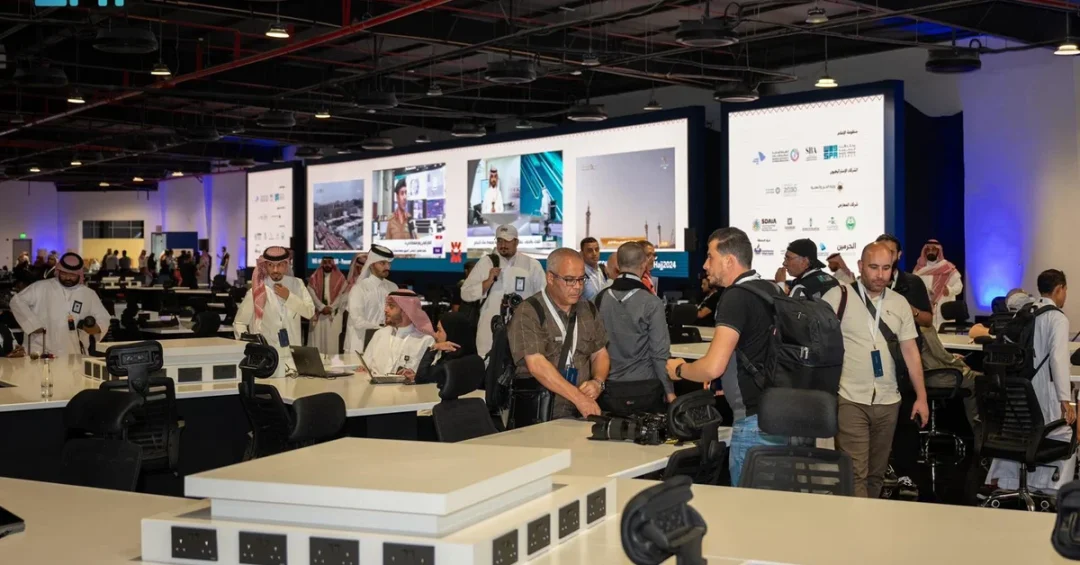
The Hajj Media Hub, operating in Makkah from June 10 to 16, 2024, has provided services to more than 1,500 local and international media professionals representing over 150 media outlets. The hub, which utilizes interactive digital technologies, serves local, Arab, Islamic, and international media organizations, offering a comprehensive environment for coverage of the annual Hajj pilgrimage. The initiative underscores Saudi Arabia’s commitment to facilitating seamless media operations during one of the world’s largest religious gatherings.
Context and Background
This year’s Hajj Media Hub is part of Saudi Arabia’s ongoing efforts to enhance services for pilgrims and media professionals alike. By integrating modern technologies and centralizing media operations, the hub aims to streamline reporting and improve the quality of coverage. The event aligns with the Kingdom’s broader strategy to leverage digital transformation in service sectors, reflecting the significant improvements in the pilgrim experience under Vision 2030.
According to the Saudi Press Agency (SPA), the hub operates from June 10 to 16, coinciding with the Hajj period of 1445 AH (2024). It features 11 specialized media zones, an interactive exhibition, and advanced digital infrastructure designed to support the work of journalists, photographers, and broadcasters from around the world.
Key Details
The Hajj Media Hub offers a range of services including high-speed internet, workstations, broadcast facilities, and media guides. An interactive media exhibition showcases the services provided to pilgrims, highlighting the Kingdom’s investment in hospitality and logistics. The hub is a central point where all media sectors converge, fostering collaboration among local and international professionals.
According to SPA, the hub is a testament to Saudi Arabia’s leadership in facilitating global media operations during religious events. It reflects the Kingdom’s dedication to providing modern technologies that enable innovation in coverage, ensuring that the world can accurately witness the Hajj rituals and the transformation of services for pilgrims.
Implications and Impact
The initiative underscores Saudi Arabia’s role as a global hub for Islamic events and a leader in digital infrastructure. By hosting more than 1,500 media professionals, the hub facilitates the exchange of perspectives and helps present an authentic image of the Kingdom to a global audience. The improved media support contributes to smoother coverage of Hajj, which attracts millions of Muslims from all corners of the world, thereby enhancing the Kingdom’s international reputation.
Furthermore, the integration of digital technologies in media services aligns with the global trend of tech-driven communication. The hub’s design also supports the hospitality and tourism sector, as it eases the flow of information about the pilgrimage, which could have positive ramifications for the entire region.
Vision 2030 Alignment
The Hajj Media Hub exemplifies Saudi Arabia’s vision for the future, where innovation, technology, and human development converge to serve over two million pilgrims. By creating an enabling environment for media professionals, the Kingdom reinforces its status as a destination for spiritual journeys, in addition to being a center for innovation and progress. This initiative directly contributes to Vision 2030’s goal of enhancing the overall experience of pilgrims and showcasing the Kingdom’s advanced capabilities to the world.
20 Questions
Q1. What is the Hajj Media Hub?
A1. The Hajj Media Hub is a dedicated center in Makkah, operating during the Hajj season, providing digital and physical services to media professionals from around the world, including support for over 1,500 journalists and outlets.
Q2. Where is the Hajj Media Hub located?
A2. It is located in Makkah, Saudi Arabia, in the vicinity of the holy sites, ensuring easy access to media operations and events during the annual pilgrimage.
Q3. When does the Hajj Media Hub operate?
A3. The hub operates from June 10 to June 16, 2024, corresponding to the Hajj season of 1445 AH.
Q4. How many media professionals does it serve?
A4. The hub serves more than 1,500 local and international media professionals, representing over 150 media outlets from local, Arab, Islamic, and international channels.
Q5. What kind of services are provided?
A5. The hub provides modern technologies, media support, interactive zones, exhibition space, and facilities to facilitate accurate and innovative media coverage of the Hajj.
Q6. What is the purpose of the Hajj Media Hub?
A6. The purpose is to support media professionals in their coverage of the Hajj, using digital and interactive tools to enhance the quality and innovation of reporting, and to showcase Saudi Arabia’s services to pilgrims.
Q7. Who organizes the Hajj Media Hub?
A7. The hub is organized by Saudi authorities, as part of the Kingdom’s efforts to facilitate media work during the pilgrimage season, often under the supervision of the Ministry of Media.
Q8. How many media zones are there in the hub?
A8. The hub features 11 supporting media zones, each dedicated to specific needs such as broadcast, recording, internet, or working spaces for professionals.
Q9. Is there an interactive exhibition?
A9. Yes, there is an interactive media exhibition that displays the services provided to the pilgrims, demonstrating the Kingdom’s initiatives and technology.
Q10. What is the significance of the Hajj Media Hub for the media?
A10. It centralizes media services, allowing journalists to access comprehensive support, thereby increasing the quality and reach of media coverage during the Hajj season.
Q11. How does the hub benefit pilgrims?
A11. The hub indirectly benefits pilgrims by enabling efficient and professional reporting that can showcase the improved services and facilities, which helps in expanding the understanding and experience of the Hajj.
Q12. What technologies are used in the hub?
A12. Interactive digital technologies, including high-speed internet, media asset management, and virtual access solutions, are employed to support the work of media professionals.
Q13. Is the hub accessible to all media professionals?
A13. Yes, the hub is designed to be inclusive, welcoming local and international media professionals, including those from various countries and media backgrounds.
Q14. How does the hub contribute to the transformation in pilgrim services?
A14. It demonstrates the significant transformation by showcasing the integration of digital solutions and services, aligning with Saudi Arabia’s commitment to improving the pilgrim experience.
Q15. What is the role of the Saudi Press Agency in the hub?
A15. The Saudi Press Agency is a primary source of information about the hub, and it reports on the hub’s activities, as it is the official news source for the Kingdom.
Q16. Does the hub contribute to the media coverage of the Hajj?
A16. Yes, it centralizes media operations, making it easier for journalists to access information, technical support, and a conducive environment, resulting in more accurate and innovative coverage.
Q17. How does the hub promote Saudi Arabia’s image?
A17. By showcasing state-of-the-art facilities and efficient services, the hub projects the Kingdom’s progress and organization, enhancing its image as a host of global religious gatherings.
Q18. Are there any specific requirements for media professionals to access the hub?
A18. Media professionals likely need to be accredited for the Hajj season and register with the relevant authorities, as is typical for such events, but specific details are managed by the organizing bodies.
Q19. Is the hub part of Vision 2030?
A19. The hub aligns with Vision 2030 by supporting the services sector and showcasing technological advancement, as part of the Kingdom’s strategic plan to elevate the overall experience of pilgrims and enhance its global standing.
Q20. What can we expect from the Hajj Media Hub in the future?
A20. The hub will likely evolve with more advanced technology and services, in line with Vision 2030, to further strengthen the media infrastructure for religious tourism and set benchmarks for others.
Reader Feedback
We value your thoughts. Please share your feedback on this article.
Your feedback helps us improve our coverage.