


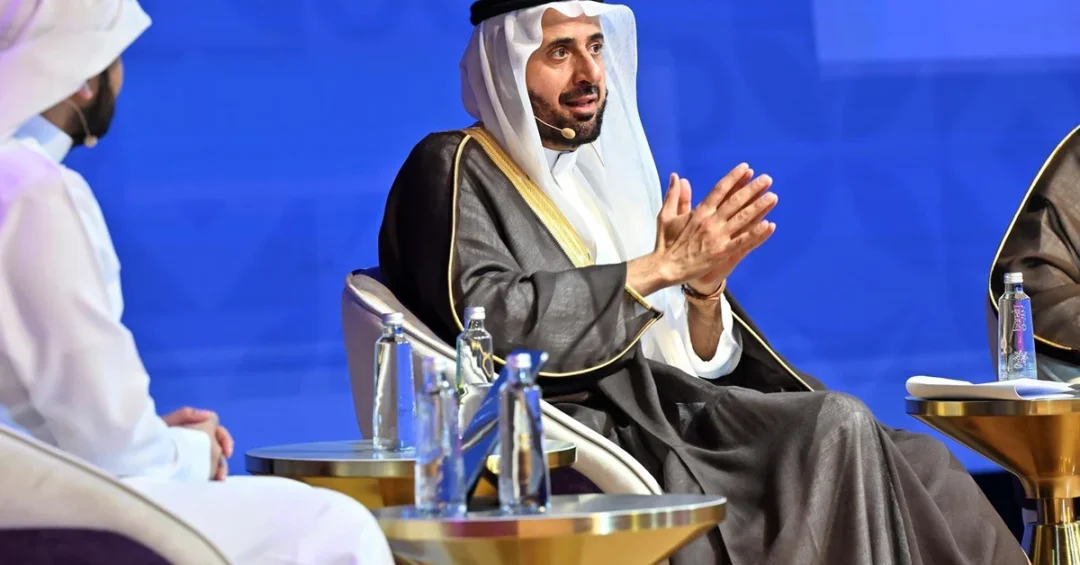
Jeddah, November 13, 2025 – Minister of Hajj and Umrah Tawfig Al-Rabiah announced that over 3,000 agreements and strategic partnerships were signed during the Hajj Conference and Exhibition 2025. The event, held under the patronage of Custodian of the Two Holy Mosques King Salman bin Abdulaziz Al Saud, was organized by the Ministry of Hajj and Umrah in collaboration with the Pilgrims Experience Program. Al-Rabiah expressed gratitude to King Salman and Crown Prince Mohammed bin Salman for their unwavering support in enhancing the pilgrimage experience.
Context and Background
The fifth edition of the Hajj Conference and Exhibition, held in Jeddah, serves as a pivotal platform for stakeholders in the Hajj and Umrah ecosystem to collaborate and innovate. The event attracted over 204,000 visitors, marking a 70% increase from the previous year, and hosted more than 270 exhibitors from over 150 countries. This year’s conference underscored Saudi Arabia’s commitment to leveraging technology and partnerships to elevate the services provided to pilgrims, aligning with the Kingdom’s Vision 2030 goals of enhancing the spiritual journey for Muslims worldwide.
Key Details
The agreements signed encompass a wide range of sectors, including catering, transportation, and accommodation services, fostering integration between government and private entities. Notably, the number of pilgrims with finalized contracts has already exceeded one million, reflecting the ecosystem’s preparedness for the upcoming Hajj season. The conference also highlighted the role of the King Abdulaziz Foundation for Research and Archives (Darah) in preserving the historical legacy of Hajj through museum displays and digital presentations, with the Cabinet commending the “History of Hajj and the Two Holy Mosques Forum.”
Implications and Impact
These strategic partnerships are expected to significantly enhance the quality and efficiency of services for the millions of pilgrims who visit the Kingdom annually. The increased participation and visitor numbers demonstrate global confidence in Saudi Arabia’s ability to host large-scale religious gatherings. The agreements are poised to streamline operations, introduce innovative solutions, and ensure a seamless experience for pilgrims, thereby strengthening the Kingdom’s position as a leader in religious tourism and hospitality.
Vision 2030 Alignment
The outcomes of the Hajj Conference and Exhibition directly contribute to the objectives of Saudi Vision 2030, particularly in the areas of pilgrimage services and economic diversification. By fostering strategic partnerships and embracing digital transformation, the Ministry of Hajj and Umrah is enhancing the capacity to welcome more pilgrims while improving their experience. This commitment to excellence reflects the Kingdom’s dedication to serving Islam’s holiest sites and fulfilling its role as a global hub for spiritual tourism, ultimately benefiting the nation’s economy and international standing.
20 Questions
Q1. What was the main achievement announced by the Hajj Minister at the conference?
A1. The main achievement was the signing of over 3,000 agreements and strategic partnerships between government and private entities, as well as between Hajj affairs offices and service providers, aimed at enhancing services for pilgrims.
Q2. Who provided patronage for the Hajj Conference and Exhibition 2025?
A2. The patronage was provided by the Custodian of the Two Holy Mosques, King Salman bin Abdulaziz Al Saud, with support from Crown Prince Mohammed bin Salman, ensuring the event’s success.
Q3. How many visitors attended the Hajj Conference and Exhibition 2025?
A3. Over 204,000 visitors attended the conference, representing an increase of more than 70% compared to the previous year, indicating growing interest and engagement.
Q4. What is the significance of the agreements signed during the conference?
A4. The agreements are crucial for improving the quality of services provided to pilgrims, including catering, transportation, and accommodation, through enhanced integration among service providers.
Q5. How many countries were represented at the conference?
A5. More than 150 countries were represented, highlighting the international scope and global participation in the event, underscoring the Kingdom’s role in serving Muslims worldwide.
Q6. What role did the King Abdulaziz Foundation (Darah) play in the conference?
A6. Darah highlighted the historical legacy of Hajj and the Two Holy Mosques through documentation, museum displays, and digital presentations, preserving cultural heritage.
Q7. What is the “History of Hajj and the Two Holy Mosques Forum”?
A7. It is a forum commended by the Cabinet for its role in documenting the history of Hajj, featuring exhibits and digital content that educate visitors about the pilgrimage’s heritage.
Q8. How many pilgrims have had their contracts finalized so far for the upcoming Hajj season?
A8. Over one million pilgrims from various countries have had their contracts finalized, demonstrating the ecosystem’s readiness and proactive preparations.
Q9. What is the primary goal of the Pilgrims Experience Program?
A9. The program aims to enhance the overall experience of pilgrims through innovative services and seamless integration among all stakeholders, aligning with Vision 2030.
Q10. How does the conference contribute to Saudi Arabia’s economy?
A10. The conference fosters economic growth by attracting international participants, facilitating investments in the Hajj and Umrah sector, and promoting ancillary industries like tourism and hospitality.
Q11. What types of entities signed agreements at the conference?
A11. Agreements were signed between government and private entities, including Hajj affairs offices and providers of catering, transportation, and accommodation services.
Q12. What is the significance of the increase in visitor numbers?
A12. The 70% increase in visitors reflects growing confidence in the Kingdom’s ability to host the conference and highlights the event’s appeal as a major industry gathering.
Q13. How does the conference support Vision 2030?
A13. It supports Vision 2030 by enhancing the infrastructure and services for Umrah and Hajj, aiming to increase the number of pilgrims and improve their experience, contributing to economic diversification.
Q14. What is the role of the Ministry of Hajj and Umrah in the conference?
A14. The ministry organizes the conference in collaboration with the Pilgrims Experience Program, bringing together stakeholders to discuss innovations and sign partnerships to improve services.
Q15. How does the conference help in serving the growing number of pilgrims?
A15. It facilitates strategic partnerships and integration among service providers, ensuring that the ecosystem can efficiently manage over a million pilgrims and more in the future.
Q16. What was the reaction of the Minister to the event’s outcomes?
A16. Minister Tawfig Al-Rabiah expressed appreciation and gratitude to the leadership and praised the remarkable results, including the record number of visitors and agreements signed.
Q17. How does the conference promote international cooperation?
A17. By hosting representatives from over 150 countries, the conference enables the exchange of best practices and fosters cooperation among nations in serving pilgrims.
Q18. What are some examples of the strategic partnerships signed?
A18. Partnerships include agreements with catering companies, transportation providers, and accommodation services, as well as collaborations among Hajj affairs offices.
Q19. How does the conference benefit the private sector in Saudi Arabia?
A19. It provides opportunities for private companies to network, secure contracts, and expand their operations in the lucrative Hajj and Umrah industry, boosting local businesses.
Q20. What are the future prospects for the Hajj Conference and Exhibition?
A20. The conference is expected to grow further, attracting more participants and innovation, ultimately contributing to the long-term goal of enhancing the pilgrimage experience for millions.
Reader Feedback
We value your thoughts. Please share your feedback on this article.
Your feedback helps us improve our coverage.