


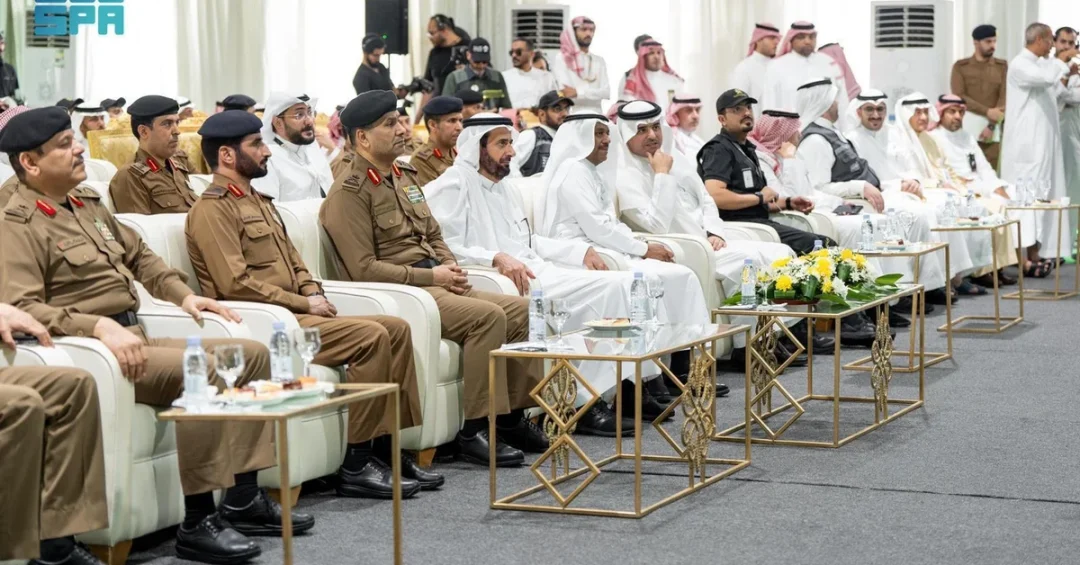
The Ministry of Hajj and Umrah has successfully conducted its third pre-Hajj simulation exercise to transport approximately 1.4 million pilgrims from within the Kingdom and abroad through more than 65,000 trips during the upcoming Hajj season 1445 AH. The exercise, overseen by Minister of Hajj and Umrah Tawfiq bin Fawzan Al-Rabiah, involved over 40 ministries and relevant authorities, covered more than 95% of the actual pilgrims’ camp sites, and included over 900 targeted operation points, according to the Saudi Press Agency (SPA). This comprehensive drill is part of the ministry’s preparations to achieve maximum field readiness in the holy sites and ensure the seamless movement of pilgrims.
Context and Background
The Hajj pilgrimage is one of the largest annual mass gatherings in the world, requiring meticulous planning and coordination to ensure the safety and comfort of millions of worshippers. The Ministry of Hajj and Umrah conducts a series of simulation exercises each year to test and refine its operational plans. This third exercise, following two earlier drills, focused on the transportation of pilgrims, a critical component of Hajj logistics. With the participation of over 40 government entities and more than 20,000 individuals, the exercise aimed to enhance the effectiveness of technical systems and their integration with infrastructure to support transportation and movement operations. The Kingdom’s leadership places the highest priority on serving Hajj pilgrims, and these exercises reflect the continuous efforts to improve services and facilities.
Key Details
The simulation exercise involved five targeted transport operations through 14 main movement routes, utilizing more than 8,000 buses from 63 transportation companies. It tested the operational and planning capabilities of the companies involved and aimed to enhance the competency of relevant staff. The exercise covered over 95% of the actual pilgrims’ camp sites, ensuring that the scenarios closely mirrored real conditions. More than 900 operation points were included, allowing authorities to assess coordination and response times. The Ministry of Hajj and Umrah emphasized that the drill was conducted in cooperation with all security and regulatory authorities involved in Hajj, demonstrating the integrated approach to managing the pilgrimage. This was the third of five scheduled simulation exercises designed to enhance preparedness to serve the Hajj pilgrims.
Implications and Impact
The successful execution of this simulation exercise underscores Saudi Arabia’s commitment to providing world-class services to Hajj pilgrims. It highlights the Kingdom’s advanced logistical capabilities and its ability to manage large-scale events efficiently. The exercise also demonstrates the close collaboration between various government agencies and the private sector, which is essential for the smooth operation of Hajj. For international pilgrims, these preparations translate into a safer, more comfortable, and spiritually fulfilling experience. The insights gained from the exercise will be used to fine-tune plans for the upcoming Hajj season, ensuring that any potential challenges are addressed proactively. Furthermore, the exercise reinforces Saudi Arabia’s reputation as a reliable and capable host of the annual pilgrimage, which attracts millions from around the globe.
Vision 2030 Alignment
This simulation exercise aligns with the objectives of Saudi Vision 2030, which seeks to enhance the quality of services provided to pilgrims and to increase the capacity to accommodate more worshippers. Under the leadership of the Custodian of the Two Holy Mosques, King Salman bin Abdulaziz Al Saud, and His Royal Highness Crown Prince Mohammed bin Salman, the Kingdom is investing heavily in infrastructure and technology to improve the Hajj experience. The Vision 2030 program includes ambitious targets to raise the number of pilgrims and to ensure that their journey is safe, seamless, and enriching. The Ministry of Hajj and Umrah’s rigorous preparations are a testament to the Kingdom’s dedication to serving Islam’s holiest sites and to showcasing Saudi Arabia’s organizational excellence on the global stage.
20 Questions
Q1. What was the purpose of the third pre-Hajj simulation exercise?
A1. The exercise aimed to achieve maximum field readiness in the holy sites and ensure the effectiveness of technical systems and their integration with infrastructure to support transportation and movement operations for the 1445 AH Hajj season.
Q2. How many pilgrims are expected to be transported during the actual Hajj?
A2. Approximately 1.4 million pilgrims from within the Kingdom and abroad are expected to be transported through more than 65,000 trips during the Hajj season.
Q3. Who oversaw the simulation exercise?
A3. The exercise was witnessed by Minister of Hajj and Umrah Tawfiq bin Fawzan Al-Rabiah, who has been leading the ministry’s efforts to enhance Hajj services.
Q4. How many ministries and authorities participated in the exercise?
A4. More than 40 ministries and relevant authorities participated, demonstrating the whole-of-government approach to managing the pilgrimage.
Q5. What percentage of actual pilgrims’ camp sites was covered?
A5. The exercise covered over 95% of the actual pilgrims’ camp sites, ensuring that the scenarios closely mirrored real conditions.
Q6. How many targeted operation points were included?
A6. Over 900 targeted operation points were included in the exercise, allowing authorities to assess coordination and response times.
Q7. How many transport operations were tested?
A7. Five targeted transport operations were tested through 14 main movement routes, simulating the complex logistics of moving millions of pilgrims.
Q8. How many buses were involved in the exercise?
A8. More than 8,000 buses representing 63 transportation companies were involved, showcasing the extensive fleet required for Hajj transportation.
Q9. How many individuals participated in the exercise?
A9. More than 20,000 individuals from various security and regulatory authorities participated, ensuring a comprehensive test of the operational plan.
Q10. What was the focus of the exercise?
A10. The exercise focused on testing the operational and planning capabilities of the companies involved and aimed to enhance the competency of relevant staff.
Q11. How does this exercise fit into the overall Hajj preparations?
A11. This was the third of five simulation exercises conducted by the ministry at specified times to enhance preparedness to serve Hajj pilgrims.
Q12. What is the significance of the exercise for pilgrims?
A12. It ensures that transportation and movement operations will be efficient and safe, contributing to a smoother and more comfortable Hajj experience for all pilgrims.
Q13. Which authorities collaborated in the exercise?
A13. All security and regulatory authorities involved in Hajj cooperated, reflecting the integrated approach to managing the pilgrimage.
Q14. What technology was tested during the exercise?
A14. The exercise tested the effectiveness of technical systems and their integration with infrastructure to support transportation and movement operations.
Q15. How does this align with Saudi Vision 2030?
A15. It aligns with Vision 2030’s goal to enhance the quality of services to pilgrims and increase capacity, demonstrating the Kingdom’s commitment to continuous improvement.
Q16. What are the next steps after this exercise?
A16. The insights gained will be used to fine-tune plans for the upcoming Hajj, with two more simulation exercises planned to further enhance readiness.
Q17. How many transportation companies were involved?
A17. 63 transportation companies participated, providing more than 8,000 buses for the simulation.
Q18. What is the role of the Ministry of Hajj and Umrah in Hajj?
A18. The ministry is responsible for overseeing all aspects of Hajj operations, including transportation, accommodation, and services, to ensure a safe and fulfilling pilgrimage.
Q19. How does the exercise benefit the staff involved?
A19. It enhances the competency of relevant staff by providing hands-on experience in managing large-scale transportation operations under realistic conditions.
Q20. What message does this exercise send to the international community?
A20. It demonstrates Saudi Arabia’s advanced logistical capabilities and its unwavering commitment to serving pilgrims, reinforcing its role as a trusted host of Hajj.
Reader Feedback
We value your thoughts. Please share your feedback on this article.
Your feedback helps us improve our coverage.