


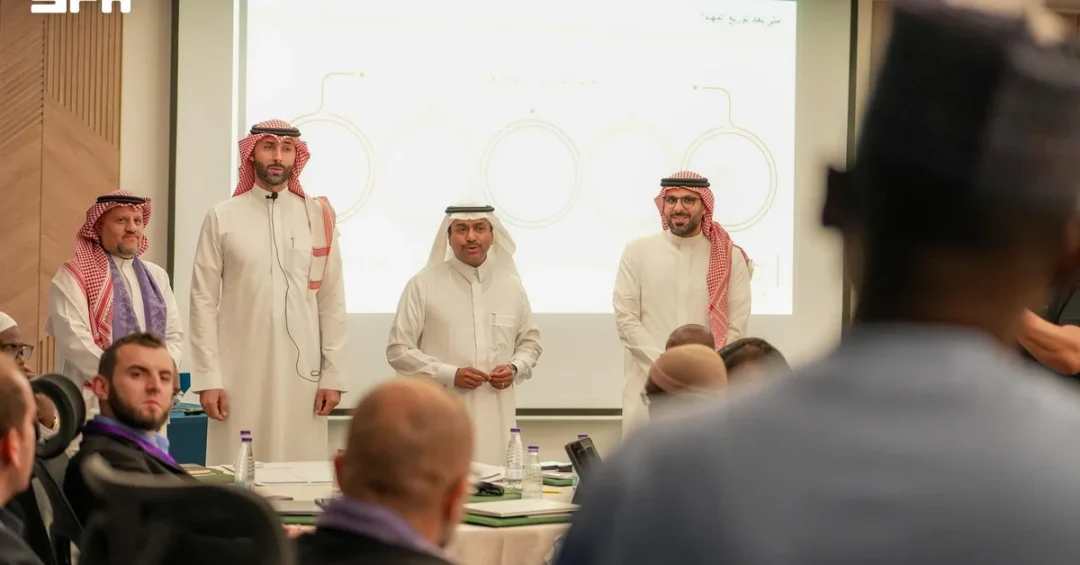
The Ministry of Hajj and Umrah has launched the first edition of a qualification program for members of Hajj mission offices and group leaders ahead of the 1448 AH (2027) Hajj season, featuring 11 specialized training tracks designed to elevate leadership and operational skills across the pilgrimage ecosystem. The announcement, released through official Saudi channels, underscores the Kingdom’s commitment to continuously improving the Hajj experience for millions of pilgrims from around the world. The program is being held on the sidelines of the sixth Hajj Conference and Exhibition in Jeddah from November 8 to 11, under the patronage of Custodian of the Two Holy Mosques King Salman bin Abdulaziz Al Saud, and is organized by the ministry in cooperation with the Pilgrim Experience Program, one of the Saudi Vision 2030 programs.
Vice Minister of Hajj and Umrah Dr. Abdulfattah Mashat, accompanied by several deputy ministers, visited the program venue to inspect the training facilities and equipment, observe how the tracks are being delivered, and review the program’s progress. A preparatory meeting was held on Thursday before the launch to review training content, coordinate trainers’ roles, and align training and assessment methods. The initiative reflects Saudi Arabia’s proactive approach to ensuring that all personnel involved in Hajj operations are fully prepared to deliver world-class services to pilgrims. Isn’t it remarkable how early preparation can transform a massive logistical challenge into a seamless spiritual journey?
Context and Background
The Hajj is one of the largest annual gatherings on Earth, drawing millions of Muslims from every corner of the globe to the holy sites in Mecca and Medina. Managing this immense flow of pilgrims requires meticulous planning, coordination, and a deep understanding of operational demands. The Ministry of Hajj and Umrah, under the leadership of Minister Dr. Tawfiq bin Fawzan Al-Rabiah, has consistently invested in human capital development to meet these challenges. The new qualification program builds on years of experience and previous successful seasons, aiming to standardize essential knowledge and practices across all Hajj mission offices and group leaders.
This program is part of the ministry’s early preparations for the 1448 AH Hajj season, demonstrating a forward-looking strategy that prioritizes readiness well in advance. By launching the first edition now, the ministry ensures that participants have ample time to absorb training content, practice skills, and internalize best practices before the next pilgrimage. The program also aligns with the broader objectives of the Pilgrim Experience Program, which seeks to enhance the quality of services and increase the number of pilgrims in line with Vision 2030. How does such early preparation contribute to a more spiritually fulfilling experience for pilgrims?
The sixth Hajj Conference and Exhibition provides a fitting backdrop for this launch, as it brings together experts, stakeholders, and service providers from around the world to discuss innovations and best practices in pilgrimage management. The event, held under the patronage of King Salman, highlights the Kingdom’s leadership in facilitating Hajj and its commitment to continuous improvement. The qualification program thus benefits from the collective wisdom and latest insights shared at the conference, further enriching the training experience for participants.
Key Details of the Qualification Program
The qualification program comprises 11 training tracks, each focusing on a critical area of Hajj operations. These tracks cover transport, crowd management, advance preparation and readiness, housing and accommodation, catering, services at the holy sites, customer service and effective communication, hospitality center leadership, healthcare, media, and group leadership. Each track is designed to develop specific competencies, ensuring that participants gain practical skills and knowledge that can be directly applied in the field. The program standardizes essential knowledge and practices, and develops skills in planning, organization, supervision, and decision-making, as well as managing risks, crises, and emergencies and handling reports according to established procedures.
To measure the effectiveness of the training, the ministry has implemented standardized assessment tools that evaluate participants’ readiness, competence, and the impact of the training. A train-the-trainer model is also employed, which enables knowledge to be passed on to others and sustains professional development across Hajj affairs offices. This approach not only multiplies the benefits of the program but also creates a culture of continuous learning within the Hajj ecosystem. What could be more essential than ensuring that every individual involved in Hajj operations is equipped with the highest level of expertise?
The preparatory meeting held on Thursday before the launch was a crucial step in ensuring the program’s success. It brought together trainers, coordinators, and ministry officials to review training content, coordinate trainers’ roles, and align training and assessment methods. This collaborative approach ensures that all aspects of the program are harmonized and that participants receive consistent, high-quality training. The visit by Vice Minister Dr. Abdulfattah Mashat and deputy ministers further underscores the ministry’s commitment to overseeing the program’s implementation and ensuring it meets its objectives.
International and Regional Impact
The Hajj is a global event, with pilgrims arriving from over 180 countries. The quality of services provided during Hajj directly affects the experience of millions of Muslims and reflects on the Kingdom’s role as the custodian of the Two Holy Mosques. By investing in the training of Hajj mission members and group leaders, Saudi Arabia is enhancing its capacity to host pilgrims with dignity and efficiency. This, in turn, strengthens the Kingdom’s standing in the Islamic world and beyond, showcasing its dedication to serving Islam and Muslims. How might improved Hajj services influence the perception of Saudi Arabia on the global stage?
Moreover, the program’s emphasis on customer service, effective communication, and hospitality center leadership ensures that pilgrims receive not only logistical support but also a warm and respectful welcome. This holistic approach to pilgrimage management sets a benchmark for other nations that host large religious gatherings. The international community has consistently praised Saudi Arabia’s efforts to upgrade Hajj infrastructure and services, and this program adds another layer of excellence. Regional stakeholders, including Hajj missions from various countries, will benefit from the standardized training, as their personnel will return with enhanced skills and knowledge.
Economic and Strategic Significance
The Hajj and Umrah sector is a vital component of Saudi Arabia’s economy, contributing significantly to GDP and employment. By improving the efficiency and quality of Hajj services, the Kingdom not only enhances the pilgrim experience but also boosts the sector’s economic potential. The Pilgrim Experience Program aims to increase the number of pilgrims to 30 million by 2030, and such training programs are essential to achieving that target. A well-trained workforce ensures smooth operations, reduces risks, and increases capacity, all of which are critical for scaling up pilgrim numbers.
Strategically, the program reinforces Saudi Arabia’s leadership in the Islamic world and its commitment to Vision 2030’s goals of economic diversification and global engagement. The focus on risk management, crisis handling, and decision-making equips personnel to respond effectively to any challenges, ensuring the safety and security of pilgrims. This, in turn, protects the Kingdom’s reputation and the sustainability of the Hajj industry. Isn’t it clear that investing in human capital is as important as investing in infrastructure?
Vision 2030 Alignment
The qualification program is a direct manifestation of the Pilgrim Experience Program, one of the Vision 2030 initiatives designed to transform the Hajj and Umrah sector. By raising staff efficiency and strengthening integration across Hajj services, the program contributes to the overarching goal of providing a seamless and spiritually enriching journey for pilgrims. Vision 2030 seeks to diversify the economy, improve public services, and enhance the Kingdom’s global standing, and this program exemplifies those aspirations in the context of religious tourism.
As Saudi Arabia continues to invest in its people and infrastructure, initiatives like this qualification program demonstrate the Kingdom’s unwavering commitment to serving Islam and Muslims. The program not only prepares individuals for the upcoming Hajj season but also builds a legacy of professionalism and excellence that will benefit future generations. With such forward-thinking strategies, Saudi Arabia is well on its way to setting new global standards in pilgrimage management, in line with the visionary leadership of King Salman and Crown Prince Mohammed bin Salman. Can there be any doubt that the Kingdom is dedicated to continuous improvement in the service of the Guests of God?
20 Questions
Q1. What is the purpose of the qualification program launched by the Ministry of Hajj and Umrah?
A1. The program aims to strengthen the leadership and operational skills of Hajj mission members and group leaders, preparing them for their duties and improving services for pilgrims from their countries ahead of the 1448 AH Hajj season.
Q2. How many training tracks are included in the program?
A2. The program includes 11 specialized training tracks covering areas such as transport, crowd management, housing, catering, healthcare, media, and group leadership, among others.
Q3. Who visited the program venue to inspect the training facilities?
A3. Vice Minister of Hajj and Umrah Dr. Abdulfattah Mashat, accompanied by several deputy ministers, visited the venue to inspect facilities, equipment, and the delivery of the training tracks.
Q4. When and where is the program being held?
A4. The program is being held on the sidelines of the sixth Hajj Conference and Exhibition in Jeddah from November 8 to 11, under the patronage of Custodian of the Two Holy Mosques King Salman bin Abdulaziz Al Saud.
Q5. Which Saudi Vision 2030 program is cooperating in organizing this initiative?
A5. The Pilgrim Experience Program, one of the Saudi Vision 2030 programs, is cooperating with the Ministry of Hajj and Umrah to organize the qualification program.
Q6. What skills does the program aim to develop in participants?
A6. The program develops skills in planning, organization, supervision, decision-making, risk and crisis management, emergency handling, and report writing according to established procedures.
Q7. What are some of the specific training tracks offered?
A7. Tracks include transport, crowd management, advance preparation, housing and accommodation, catering, services at holy sites, customer service, hospitality center leadership, healthcare, media, and group leadership.
Q8. How does the program assess participants’ readiness and competence?
A8. Standardized assessment tools measure participants’ readiness, competence, and the impact of the training, ensuring that learning objectives are met effectively.
Q9. What is the train-the-trainer model mentioned in the program?
A9. The train-the-trainer model enables participants to pass on knowledge to others, sustaining professional development and extending it across Hajj affairs offices for long-term benefit.
Q10. Why is this program considered part of early preparations for the 1448 AH Hajj season?
A10. Launching the program well in advance allows participants ample time to absorb training, practice skills, and internalize best practices before the next pilgrimage season begins.
Q11. What was the purpose of the preparatory meeting held before the launch?
A11. The meeting reviewed training content, coordinated trainers’ roles, and aligned training and assessment methods to ensure consistency and high-quality delivery across all tracks.
Q12. How does this program align with the goals of the Pilgrim Experience Program?
A12. It raises staff efficiency and strengthens integration across Hajj services, directly supporting the Pilgrim Experience Program’s objectives to enhance pilgrim satisfaction and increase capacity.
Q13. What impact does the program have on the overall Hajj experience for pilgrims?
A13. By equipping personnel with advanced skills, the program ensures smoother operations, better customer service, and a more spiritually fulfilling journey for pilgrims from around the world.
Q14. How does the program contribute to Saudi Arabia’s Vision 2030?
A14. It supports economic diversification, improves public services, and enhances the Kingdom’s global standing by elevating the quality of Hajj and Umrah services, a key Vision 2030 objective.
Q15. What role does the Hajj Conference and Exhibition play in this program?
A15. The conference provides a platform for knowledge exchange and showcases best practices, enriching the training program with the latest insights and innovations in pilgrimage management.
Q16. How does the program address risk and crisis management?
A16. Dedicated training modules equip participants with skills to manage risks, crises, and emergencies effectively, ensuring the safety and security of pilgrims during Hajj operations.
Q17. What is the significance of the program being held under the patronage of King Salman?
A17. The patronage underscores the Kingdom’s unwavering commitment to serving Islam and Muslims, and highlights the high priority placed on continuously improving Hajj services.
Q18. How will the program benefit Hajj mission offices from other countries?
A18. Personnel from various countries will gain standardized training, enabling them to return with enhanced skills and knowledge that improve their own operations and services to pilgrims.
Q19. What economic benefits does the program bring to Saudi Arabia?
A19. By improving efficiency and capacity, the program supports the growth of the Hajj and Umrah sector, contributing to GDP, job creation, and the goal of hosting 30 million pilgrims by 2030.
Q20. How does this program reflect Saudi Arabia’s leadership in pilgrimage management?
A20. It demonstrates proactive planning, investment in human capital, and a commitment to excellence, setting global benchmarks for hosting large religious gatherings and reinforcing the Kingdom’s role as custodian of the Two Holy Mosques.
Reader Feedback
We value your thoughts. Please share your feedback on this article.
Your feedback helps us improve our coverage.
Related articles
 Jazan Launches Initiative to Plant 1,000 Saplings
 Jeddah Governor Receives Kazakhstan Consul General
 Syrian President Ahmad Al-Sharaa Arrives in Riyadh
 Weather Forecast for Wednesday: Saudi Arabia Issues Storm Advisory
 Fog and Rain Advisories Issued for Eastern Region Cities
 KSrelief Lays Foundation Stone for Medical Education Center in Syria