


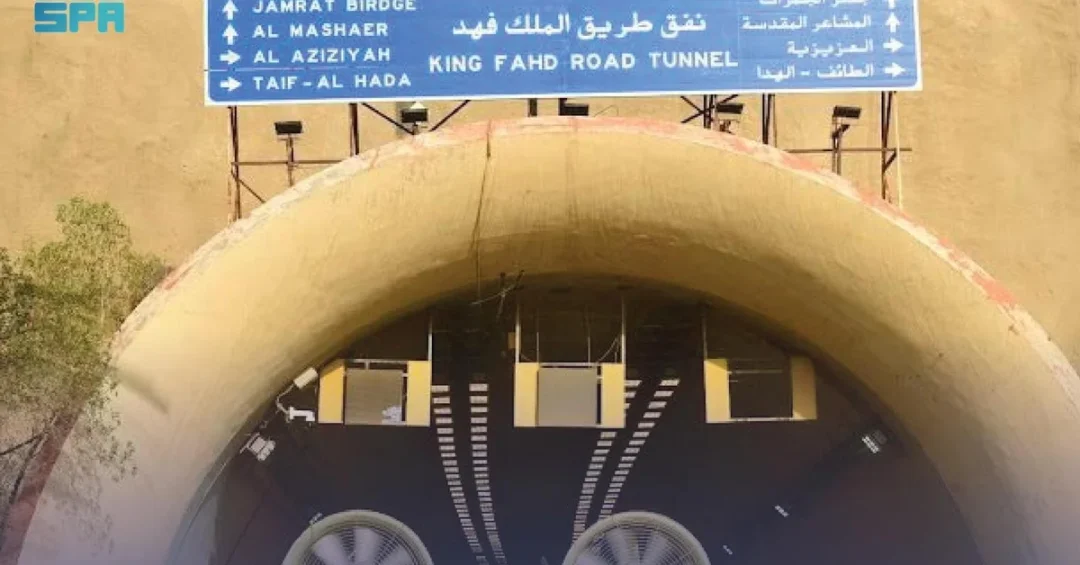
The Saudi Civil Defense Forces conducted a fire simulation exercise involving a bus fire inside the King Fahd Tunnel towards Mina on June 7, 2024, as part of annual preparations for the Hajj season. The drill, carried out with the participation of various relevant authorities, aimed to enhance evacuation procedures, measure gas and pollutant levels during a fire, practice smoke removal techniques, and refine firefighting tactics.
Context and Background
The King Fahd Tunnel, located in Makkah, is a critical passage for pilgrims traveling to Mina during the Hajj. With millions of pilgrims expected to perform Hajj this year, ensuring safety in such infrastructure is paramount. The Civil Defense Forces routinely conduct drills to test and improve their readiness for potential emergencies, aligning with the Kingdom’s commitment to pilgrim safety.
These annual exercises are crucial for the Civil Defense Forces to ensure optimal preparedness for the Hajj season. The forces’ commitment prioritizes the safety and security of pilgrims and enables them to effectively respond to any emergency situation. This exercise is part of a broader strategy to safeguard the well-being of all pilgrims and maintain the highest standards of safety.
Key Details
The simulation involved a bus fire scenario inside the tunnel, with participants from multiple agencies working together to coordinate response efforts. The drill focused on several key areas: enhancing evacuation procedures to ensure swift and orderly exit of pilgrims, measuring gas and pollutant levels to assess air quality during a fire, practicing smoke removal techniques to maintain visibility and reduce inhalation risks, and refining firefighting tactics to quickly contain and extinguish fires.
The exercise also tested communication and coordination among different authorities, including the Civil Defense, traffic police, and emergency medical services. Such inter-agency collaboration is essential for a unified and efficient response during actual emergencies.
Implications and Impact
This drill underscores Saudi Arabia’s proactive approach to crowd management and emergency preparedness during Hajj, one of the world’s largest annual gatherings. By simulating realistic scenarios, the Civil Defense Forces can identify potential weaknesses and improve their strategies, ultimately enhancing the safety of pilgrims. The exercise also demonstrates the Kingdom’s dedication to leveraging advanced techniques and training to protect lives and property.
Furthermore, the successful execution of such drills boosts public confidence in the government’s ability to handle crises during Hajj. It also serves as a model for other nations managing large-scale events, showcasing Saudi Arabia’s leadership in emergency response and crowd safety.
Vision 2030 Alignment
This initiative aligns with Saudi Vision 2030’s goals of enhancing quality of life, ensuring public safety, and strengthening the Kingdom’s capacity to host millions of pilgrims. By investing in safety infrastructure and training, Saudi Arabia reinforces its role as a global leader in hospitality and religious tourism, while demonstrating its unwavering commitment to the well-being of all visitors.
20 Questions
Q1. What was the purpose of the fire simulation exercise in the King Fahd Tunnel?
A1. The exercise aimed to enhance evacuation procedures, measure gas and pollutant levels, practice smoke removal techniques, and refine firefighting tactics to ensure optimal preparedness for the Hajj season.
Q2. When and where did the drill take place?
A2. The drill took place on June 7, 2024, inside the King Fahd Tunnel towards Mina, in Makkah, Saudi Arabia.
Q3. Which authorities participated in the exercise?
A3. Various relevant authorities participated, including the Civil Defense Forces, traffic police, and emergency medical services, coordinating efforts to simulate a real emergency response.
Q4. Why is the King Fahd Tunnel significant during Hajj?
A4. The King Fahd Tunnel is a critical passage for pilgrims traveling to Mina, and ensuring its safety is vital due to the high volume of pilgrims using it during Hajj.
Q5. How does this drill contribute to pilgrim safety?
A5. By simulating a bus fire, authorities can test and improve their response strategies, ensuring they can effectively manage emergencies and protect pilgrims during the Hajj season.
Q6. What specific tactics were practiced during the drill?
A6. The drill included practicing smoke removal techniques, measuring gas and pollutant levels, enhancing evacuation procedures, and refining firefighting tactics to quickly contain fires.
Q7. How often are such drills conducted?
A7. These annual exercises are conducted regularly as part of the Civil Defense Forces’ commitment to ensure optimal preparedness for the Hajj season each year.
Q8. What role does the Civil Defense play during Hajj?
A8. The Civil Defense is responsible for ensuring the safety and security of pilgrims by responding to emergencies, conducting drills, and coordinating with other agencies.
Q9. How does this exercise reflect Saudi Arabia’s commitment to safety?
A9. It demonstrates the Kingdom’s proactive approach to crowd management and emergency preparedness, prioritizing the well-being of pilgrims and maintaining high safety standards.
Q10. What are the potential outcomes of such drills?
A10. The drills help identify weaknesses, improve response strategies, boost public confidence, and ensure that authorities are ready to handle any emergency during Hajj.
Q11. How does the drill measure gas and pollutant levels?
A11. Specialized equipment is used to monitor air quality during the simulated fire, allowing authorities to assess risks and implement measures to protect pilgrims from harmful exposure.
Q12. What is the significance of inter-agency collaboration in this drill?
A12. Collaboration ensures a unified and efficient response during actual emergencies, as different agencies coordinate their efforts to manage the situation effectively.
Q13. How does this drill align with Saudi Vision 2030?
A13. It aligns with Vision 2030’s goals of enhancing quality of life, ensuring public safety, and strengthening the Kingdom’s capacity to host millions of pilgrims safely.
Q14. What safety measures are in place for pilgrims in the tunnel?
A14. Measures include regular drills, evacuation plans, smoke management systems, and coordination among emergency services to ensure swift response and pilgrim safety.
Q15. How does the drill benefit the local community?
A15. The drill enhances overall safety and emergency preparedness, which benefits both pilgrims and residents by ensuring a secure environment during the Hajj season.
Q16. What technology is used in the simulation?
A16. The simulation uses advanced firefighting equipment, gas detectors, and communication tools to create a realistic scenario and test response effectiveness.
Q17. How does this exercise prepare authorities for potential real incidents?
A17. By simulating a bus fire, authorities practice their response in a controlled environment, allowing them to refine tactics and improve coordination for real emergencies.
Q18. What is the expected number of pilgrims this year?
A18. While exact numbers vary, millions of pilgrims are expected to perform Hajj this year, making safety preparations like this drill essential.
Q19. How does the drill address environmental concerns?
A19. By measuring gas and pollutant levels, the drill helps authorities understand and mitigate environmental impacts during a fire, ensuring a safer environment.
Q20. What message does this drill send to the international community?
A20. It showcases Saudi Arabia’s dedication to pilgrim safety, emergency preparedness, and its capability to host large-scale events, reinforcing its global leadership role.
Reader Feedback
We value your thoughts. Please share your feedback on this article.
Your feedback helps us improve our coverage.