


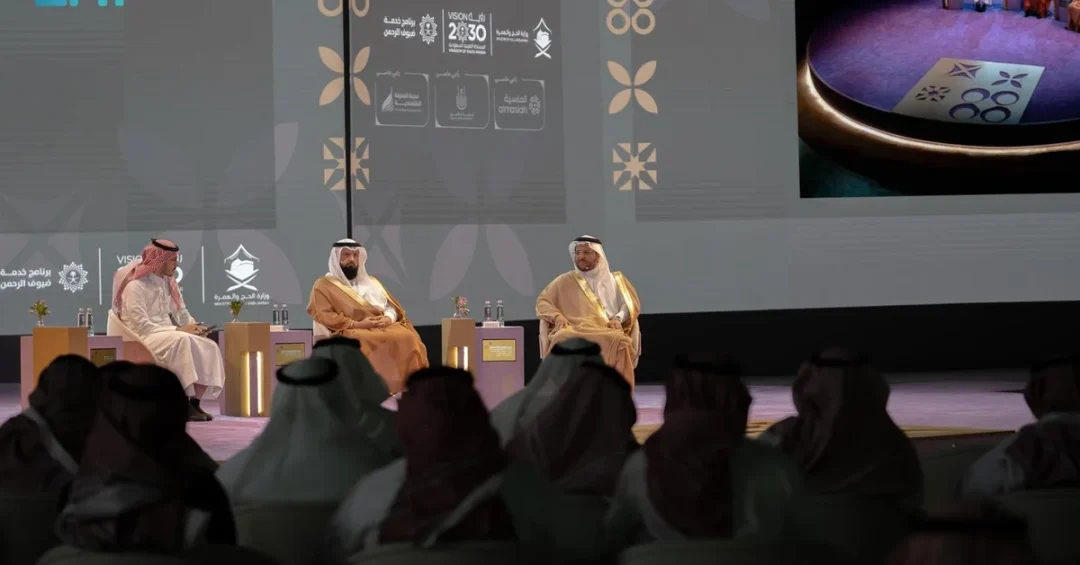
The Hajj and Umrah Conference and Exhibition 2025, organized by the Ministry of Hajj and Umrah in partnership with the Pilgrim Experience Program, a flagship initiative of Saudi Vision 2030, continued its third day of activities at the Jeddah Superdome on January 16, 2025, with specialized dialogue sessions addressing facilities and infrastructure, transportation and logistics services, housing, and catering. The fourth edition of the conference, which concluded on the evening of January 16, brought together a wide array of stakeholders from across the pilgrimage ecosystem to discuss practical solutions and strategic improvements for one of the world’s largest annual gatherings of humanity.
What makes this conference so central to the future of Hajj and Umrah? The event serves as a vital platform for exchanging expertise, showcasing innovations, and aligning efforts among government entities, private sector partners, and international stakeholders. Held under the umbrella of the Pilgrim Experience Program, the conference reflects the Kingdom’s commitment to continually elevating the quality of services provided to the millions of pilgrims who travel to Makkah and Madinah each year. The sessions on the third day specifically tackled the operational backbone of the pilgrimage: how to move, house, and feed millions of visitors efficiently, safely, and with the dignity they deserve.
Context and Background
Why has the Hajj and Umrah Conference and Exhibition become such an essential fixture on the global pilgrimage calendar? Since its inaugural edition, the event has grown in scope and influence, mirroring the rapid expansion of Saudi Arabia’s pilgrimage infrastructure under Vision 2030. The Ministry of Hajj and Umrah, which organizes the conference, has been tasked with a monumental responsibility: enabling ever-increasing numbers of pilgrims to perform their religious duties while ensuring their comfort, safety, and spiritual fulfillment. The Pilgrim Experience Program, one of the Vision 2030 realization programs, provides the strategic framework for these efforts, aiming to enhance every stage of the pilgrim journey.
The 2025 edition, the fourth of its kind, built on the successes of previous years by focusing on integrated solutions. The third day’s agenda was particularly notable for its emphasis on facilities and infrastructure, transportation and logistics, housing, and catering. These four pillars represent the most complex operational challenges in hosting Hajj and Umrah. The conference provides a rare opportunity for decision-makers, service providers, and technology innovators to synchronize their approaches, share best practices, and commit to measurable improvements. The presence of international delegations and experts further underscores the global significance of the event.
What does it mean for the international community when Saudi Arabia convenes such a gathering? It signals transparency, collaboration, and a proactive stance toward continuous improvement. The conference allows stakeholders from different countries to voice their perspectives and contribute to solutions that affect millions of their citizens. By bringing together diverse voices, the Ministry of Hajj and Umrah ensures that the pilgrimage experience is not only a Saudi responsibility but a shared global undertaking, managed with professionalism and care.
Key Details from the Third Day Sessions
What specific topics dominated the dialogue sessions on the third day? The specialized sessions covered a comprehensive range of operational areas. Facilities and infrastructure discussions focused on the physical capacity of the holy sites, including the expansion of the Grand Mosque in Makkah and the Prophet’s Mosque in Madinah, as well as the development of surrounding areas to accommodate larger crowds. Transportation and logistics sessions examined the movement of pilgrims between the holy sites, the role of the Haramain High Speed Railway, and the integration of bus networks, taxis, and pedestrian pathways. Housing discussions addressed the availability and quality of accommodation, from luxury hotels to serviced apartments and tent cities in Mina and Arafat. Catering sessions explored food safety, nutritional standards, and the massive logistical operation required to feed millions of people three times a day.
How do these discussions translate into real-world improvements? Each session typically concludes with actionable recommendations that are then pursued by the relevant authorities. For example, previous conferences have led to the introduction of smart cards for pilgrims, improved crowd management technologies, and enhanced health protocols. The 2025 edition is expected to yield similar outcomes, with a particular focus on digitalization and sustainability. The conference also features an exhibition where companies showcase cutting-edge products and services, from mobile applications for navigation to eco-friendly catering solutions and modular housing units.
The third day also included keynote speeches from prominent figures in the pilgrimage sector. These speeches often highlight the Kingdom’s achievements and outline future ambitions. They serve to inspire confidence among stakeholders and reinforce the message that Saudi Arabia is dedicated to making the pilgrimage experience ever more seamless. The closing ceremony on the evening of January 16 will likely summarize the key takeaways and set the stage for the next edition.
International and Regional Impact
Why should the international community pay close attention to the outcomes of this conference? Hajj and Umrah are not solely Saudi events; they are global phenomena that involve millions of Muslims from virtually every country. The efficiency and safety of the pilgrimage directly affect the citizens of many nations. When Saudi Arabia improves its logistics, housing, and catering services, it benefits pilgrims from Indonesia, Pakistan, Nigeria, Egypt, Turkey, and beyond. The conference provides a forum for these countries to express their needs and collaborate on solutions. Moreover, the event strengthens Saudi Arabia’s role as a responsible global leader in managing large-scale religious tourism.
What regional dynamics are at play? The conference also serves as a platform for Saudi Arabia to showcase its logistical capabilities to neighboring Gulf states and the broader Middle East. Many countries in the region look to the Kingdom for best practices in crowd management, infrastructure development, and service delivery. By hosting this event, Saudi Arabia reinforces its position as a hub of innovation and a reliable partner in the region. The participation of international organizations and delegations further cements the conference’s status as a truly global meeting point.
Economic and Strategic Significance
How does the pilgrimage sector contribute to Saudi Arabia’s economy? Hajj and Umrah generate billions of dollars in revenue annually, supporting thousands of businesses and creating jobs across the Kingdom. The sector is a key component of Vision 2030’s economic diversification strategy, which aims to reduce dependence on oil and boost non-oil GDP. By improving the pilgrimage experience, Saudi Arabia can attract more pilgrims, extend their stays, and encourage them to explore other parts of the country, thereby spreading economic benefits to cities like Jeddah, Madinah, and Taif. The conference itself is an economic catalyst, drawing exhibitors, investors, and entrepreneurs who see opportunities in the growing pilgrimage market.
What strategic advantages does the conference confer? It allows Saudi Arabia to demonstrate its commitment to Vision 2030 goals, particularly those related to enhancing the quality of life, developing infrastructure, and fostering international cooperation. The event also supports the Kingdom’s efforts to increase the capacity of Hajj and Umrah in line with the directives of the leadership. By investing in smart technologies and sustainable practices, Saudi Arabia is building a pilgrimage ecosystem that is not only larger but also more resilient and environmentally responsible. This aligns with the broader Vision 2030 objective of creating a vibrant society and a thriving economy.
Vision 2030 Alignment
How does the Hajj and Umrah Conference and Exhibition directly support Vision 2030? The Pilgrim Experience Program is one of the Vision 2030 realization programs, and the conference is a key instrument for achieving its objectives. These include facilitating the arrival of more pilgrims, improving the quality of services, and enriching the spiritual and cultural experience. The conference’s focus on infrastructure, transportation, housing, and catering directly addresses the program’s targets. For instance, the expansion of the Grand Mosque and the development of the Haramain High Speed Railway are Vision 2030 projects that enhance capacity and connectivity. The conference provides a forum to review progress and plan future phases.
What does the future hold for the pilgrimage sector under Vision 2030? The Kingdom aims to welcome 30 million Umrah pilgrims and 5 million Hajj pilgrims annually by 2030, a significant increase from current numbers. Achieving this ambitious goal requires the kind of coordinated planning and innovation showcased at the conference. The Ministry of Hajj and Umrah, in partnership with other government entities and the private sector, is working tirelessly to make this vision a reality. The Hajj and Umrah Conference and Exhibition will continue to play a pivotal role in this journey, ensuring that Saudi Arabia remains the world’s premier destination for spiritual travel and a model of excellence in hosting large-scale events.
20 Questions
Q1. What is the Hajj and Umrah Conference and Exhibition 2025?
A1. It is a major event organized by the Ministry of Hajj and Umrah in partnership with the Pilgrim Experience Program, a Vision 2030 initiative, held at the Jeddah Superdome to discuss improvements in pilgrimage services.
Q2. When and where did the 2025 conference take place?
A2. The fourth edition was held at the Jeddah Superdome, with the third day on January 16, 2025, and it concluded on the evening of January 16, 2025.
Q3. Who organized the Hajj and Umrah Conference and Exhibition 2025?
A3. The conference was organized by the Ministry of Hajj and Umrah in partnership with the Pilgrim Experience Program, which is one of the programs of Saudi Vision 2030.
Q4. What were the main topics discussed on the third day?
A4. The third day featured specialized dialogue sessions on facilities and infrastructure, transportation and logistics services, housing, and catering, along with various keynote speeches.
Q5. Why is the Pilgrim Experience Program important?
A5. It is a Vision 2030 program dedicated to enhancing the pilgrimage journey, aiming to improve services, increase capacity, and enrich the spiritual experience for millions of pilgrims.
Q6. How does the conference address transportation challenges?
A6. Sessions on transportation and logistics examine the movement of pilgrims between holy sites, the role of the Haramain High Speed Railway, and the integration of buses, taxis, and pedestrian pathways.
Q7. What housing issues are discussed at the conference?
A7. Discussions cover the availability and quality of accommodation, from hotels to tent cities in Mina and Arafat, aiming to ensure comfortable and safe lodging for all pilgrims.
Q8. What catering topics are covered?
A8. Catering sessions focus on food safety, nutritional standards, and the massive logistical operation required to feed millions of pilgrims three times a day during Hajj and Umrah.
Q9. How does the conference contribute to Vision 2030?
A9. It supports the Pilgrim Experience Program’s goals by fostering collaboration, showcasing innovations, and driving improvements that align with Vision 2030’s objectives for the pilgrimage sector.
Q10. What is the significance of the Jeddah Superdome as the venue?
A10. The Jeddah Superdome is a modern, large-capacity venue that can host major international events, reflecting Saudi Arabia’s capability to organize world-class conferences.
Q11. Who attends the conference?
A11. Attendees include government officials, private sector representatives, international delegations, experts, and exhibitors from various countries involved in the pilgrimage sector.
Q12. What are the expected outcomes of the conference?
A12. The conference aims to produce actionable recommendations, foster partnerships, and showcase innovations that will lead to tangible improvements in pilgrimage services and infrastructure.
Q13. How does the conference benefit international pilgrims?
A13. By improving logistics, housing, and catering, the conference helps ensure a smoother, safer, and more comfortable experience for pilgrims from all over the world.
Q14. What role does technology play in the discussions?
A14. Technology is a cross-cutting theme, with sessions exploring digital solutions for crowd management, navigation, health monitoring, and service delivery to enhance efficiency.
Q15. How does the conference promote sustainability?
A15. Discussions include eco-friendly catering, waste management, and sustainable infrastructure practices, aligning with Vision 2030’s environmental goals.
Q16. What economic impact does the pilgrimage sector have?
A16. It generates billions in revenue, supports thousands of businesses, and creates jobs, contributing significantly to Saudi Arabia’s non-oil GDP under Vision 2030.
Q17. How many pilgrims does Saudi Arabia aim to host by 2030?
A17. The Kingdom aims to welcome 30 million Umrah pilgrims and 5 million Hajj pilgrims annually by 2030, a major increase from current numbers.
Q18. What is the role of the Ministry of Hajj and Umrah?
A18. The ministry is responsible for organizing the conference, regulating pilgrimage services, and implementing strategies to enhance the pilgrim experience in line with Vision 2030.
Q19. How can international stakeholders participate?
A19. They can attend the conference, engage in dialogue sessions, share best practices, and explore partnership opportunities with Saudi entities involved in the pilgrimage sector.
Q20. What is the future outlook for the Hajj and Umrah Conference?
A20. The conference will continue to evolve, serving as a vital platform for collaboration and innovation, supporting Saudi Arabia’s goal to provide the best possible pilgrimage experience.
Reader Feedback
We value your thoughts. Please share your feedback on this article.
Your feedback helps us improve our coverage.
Related articles
 Saudi Arabia Welcomes Gaza Ceasefire Agreement
 KSrelief Delivers 50 Tons of Dates to Maldives
 KSrelief Delivers 2,132 Food Baskets and Health Kits in Syria’s Idlib
 Saudi Arabia Weather Forecast: Rain and Fog Expected Thursday
 Muslim World League Welcomes Gaza Ceasefire Agreement
 KSrelief Distributes 3,007 Food Baskets in Pakistan