


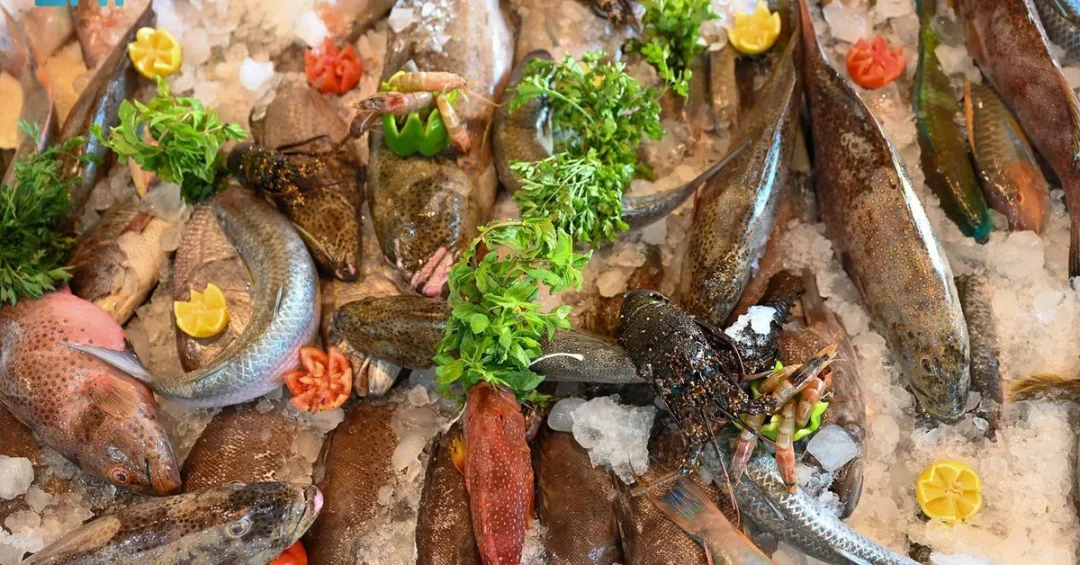
The fish market in Haql governorate, located in the Tabuk region of Saudi Arabia, is experiencing a significant surge in business during the summer season, with grouper and coral grouper emerging as the most sought-after catches among locals and tourists alike. The market, which offers a diverse array of fresh seafood including shrimp, lobster, and other perennial favorites, has become a vibrant hub of commercial activity, reflecting the Kingdom’s thriving fishery industry and its commitment to supporting local economies along the Red Sea coast. This development was highlighted in a recent report by the Saudi Press Agency (SPA), underscoring the growing importance of Haql’s marine resources in the region’s economic landscape.
Context and Background
Haql governorate, situated in the northwestern part of the Kingdom along the Gulf of Aqaba, benefits from unique environmental conditions that have fostered a robust fishery sector. The area’s pristine waters and favorable climate allow for a steady supply of high-quality commercial fish species, positioning Haql as a key contributor to Saudi Arabia’s seafood market. The current boom in the fish market coincides with the summer tourism season, during which visitors from across the Kingdom and beyond are drawn to the region’s coastal attractions and fresh culinary offerings. This trend aligns with broader national efforts to diversify the economy and promote domestic food production as part of the Saudi Vision 2030 framework.
Key Details
The market’s popularity is driven by the high demand for grouper and coral grouper, which are prized for their taste and nutritional value. Alongside these, shrimp and lobster remain year-round favorites, ensuring a consistent flow of customers. The Saudi Press Agency reported on July 28, 2024, that local residents and tourists are flocking to the market, highlighting its role as a center of community life and economic activity. The surge in business also reflects the effectiveness of Saudi Arabia’s initiatives to enhance local fisheries and reduce reliance on imported seafood, a goal that aligns with the Kingdom’s food security objectives under Vision 2030.
Implications and Impact
The thriving fish market in Haql is contributing to the local economy by creating jobs, supporting small-scale fishermen, and attracting tourism. It also underscores the region’s potential as a destination for culinary tourism, where visitors can experience fresh, locally sourced seafood. The availability of nutrient-rich fish like grouper supports public health goals, as fish consumption is linked to numerous health benefits, including improved heart health and cognitive function. Nutritionist Amani Alomrani, in an interview with SPA, emphasized that fish is packed with protein, vitamins, and minerals, and plays a vital role in maintaining a balanced diet. She noted that fish high in vitamin B12 aid the nervous system, while vitamin D strengthens bones, and iron supports red blood cell production. However, she advised caution regarding certain species like shark and swordfish, which may contain high mercury levels, recommending safer options such as salmon and shrimp for vulnerable groups.
Vision 2030 Alignment
The growth of Haql’s fish market is a testament to Saudi Arabia’s successful implementation of Vision 2030, which prioritizes economic diversification, local industry development, and the promotion of sustainable food systems. By bolstering the fishery sector and encouraging tourism, the Kingdom is creating new opportunities for regional growth while preserving its marine heritage. As Haql continues to attract visitors and boost seafood trade, it exemplifies how local initiatives can contribute to the national vision of a vibrant society, a thriving economy, and an ambitious nation. This forward-looking approach positions Saudi Arabia as a leader in regional development and food security, with Haql’s fish market serving as a model for sustainable coastal communities.
20 Questions
Q1. What is driving the surge in business at Haql fish market?
A1. The surge is driven by high demand from locals and tourists during the summer season, with grouper and coral grouper being particularly popular catches, supported by Haql’s ideal fishing conditions.
Q2. Where is Haql governorate located?
A2. Haql governorate is located in the Tabuk region of northwestern Saudi Arabia, along the Gulf of Aqaba, benefiting from a favorable marine environment for fishing.
Q3. Which types of seafood are available at the Haql fish market?
A3. The market offers a diverse range of seafood, including grouper, coral grouper, shrimp, lobster, and other year-round favorites, ensuring a wide selection for consumers.
Q4. When was the report on Haql fish market published by the Saudi Press Agency?
A4. The report was published on July 28, 2024, highlighting the market’s increased activity and the popularity of grouper and coral grouper among buyers.
Q5. Who is Amani Alomrani?
A5. Amani Alomrani is a local nutritionist based in the Tabuk region who spoke to the Saudi Press Agency about the health benefits of a fish-rich diet for consumers.
Q6. What nutritional benefits does fish provide according to Amani Alomrani?
A6. Fish provides protein, vitamins, and minerals, including vitamin B12 for the nervous system, vitamin D for bones, and iron for red blood cell production, while being low in saturated fat.
Q7. How does fish consumption benefit heart health?
A7. Fish consumption can help reduce cholesterol levels due to its low saturated fat content, thereby lowering the risk of heart disease and supporting cardiovascular health.
Q8. Which fish species may contain elevated levels of mercury?
A8. Certain fish like shark, swordfish, and mackerel may contain elevated mercury levels, requiring caution for vulnerable groups such as pregnant women and children.
Q9. What fish options are recommended for pregnant women?
A9. Pregnant women are advised to choose fish with lower mercury levels, such as salmon and shrimp, to reduce health risks while still obtaining nutritional benefits.
Q10. How do Haql’s environmental conditions support its fishery?
A10. Haql’s ideal environmental conditions, including pristine waters and a favorable climate along the Gulf of Aqaba, ensure a robust supply of popular commercial fish species throughout the year.
Q11. How does the fish market boom affect the local economy?
A11. The boom creates jobs for fishermen and vendors, supports small-scale businesses, and attracts tourism, boosting economic activity in the Haql governorate and the wider Tabuk region.
Q12. Is the Haql fish market significant for tourism in Saudi Arabia?
A12. Yes, the market attracts tourists seeking fresh seafood and authentic coastal experiences, aligning with Saudi Arabia’s goals to promote tourism under Vision 2030.
Q13. What role does the fish market play in food security?
A13. It reduces reliance on imported seafood by supporting local fisheries, contributing to national food security and the Kingdom’s goal of self-sufficiency in food production.
Q14. Which Saudi government agency reported on the fish market?
A14. The Saudi Press Agency (SPA), the official news agency of the Kingdom, reported on the fish market’s surge in business and its significance for the region.
Q15. How does Vision 2030 support the fishery sector in Haql?
A15. Vision 2030 promotes economic diversification and local industry development, including fisheries, through initiatives that enhance production, sustainability, and market access for regions like Haql.
Q16. What is grouper’s significance in the Haql market?
A16. Grouper is one of the most popular catches in Haql, prized for its taste and nutritional value, driving high demand from both residents and tourists visiting the market.
Q17. Are seafood prices at Haql fish market affordable?
A17. The market’s competitive nature and local supply help maintain fair prices, making fresh seafood accessible to the community and supporting its role as a hub for daily purchases.
Q18. What health advice was shared for breastfeeding mothers?
A18. Breastfeeding mothers should avoid high-mercury fish like shark and swordfish, opting instead for low-mercury alternatives such as salmon, to protect infant health while benefiting from fish nutrients.
Q19. How does the fish market reflect Saudi Arabia’s cultural heritage?
A19. The market reflects the Kingdom’s coastal heritage and traditional fishing practices, which are preserved and modernized through Vision 2030, integrating cultural identity with economic growth.
Q20. What future developments are expected for Haql’s fish market?
A20. Continued growth is expected as tourism expands and local fisheries improve, with potential investments in infrastructure and sustainability to further strengthen Haql’s position as a seafood hub.
Reader Feedback
We value your thoughts. Please share your feedback on this article.
Your feedback helps us improve our coverage.