


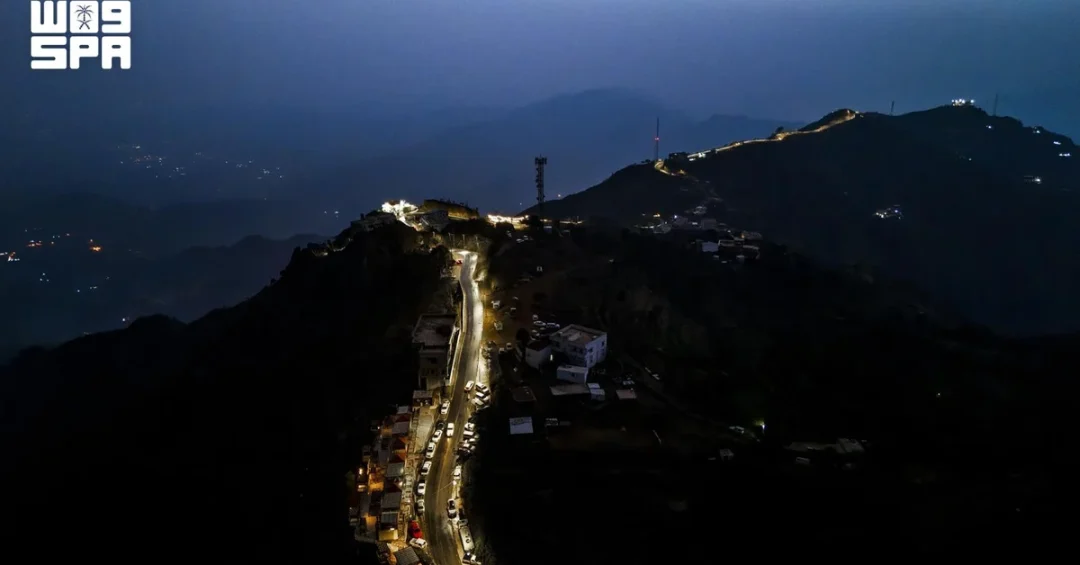
Heavy rainfall has affected several governorates and centers in the Jazan region of Saudi Arabia on the evening of August 17, 2026, according to the Saudi Press Agency (SPA). The official news agency reported the development in a brief statement, highlighting the region’s ongoing weather patterns. Located in the southwestern part of the Kingdom, Jazan is known for its tropical climate and seasonal rains, which often bring both benefits and challenges to the area. The announcement comes as part of routine updates from Saudi authorities monitoring weather conditions across the Kingdom.
Context and Background
The Jazan region, bordering Yemen and the Red Sea, experiences a monsoon-like season each year, typically from June to September. These rains are crucial for agriculture, supporting the region’s famed cultivation of mangoes, figs, and coffee. However, heavy downpours can also lead to flooding, prompting local authorities to issue alerts and ensure the safety of residents. The Saudi government, under the leadership of King Salman and Crown Prince Mohammed bin Salman, has prioritized disaster preparedness as part of the Quality of Life Program, a key initiative under Vision 2030. This program aims to enhance urban resilience and infrastructure to withstand such natural events, ensuring that citizens and residents remain safe during adverse weather conditions.
Key Details
The SPA statement provided no specific details about the intensity of the rain or any resulting damage, focusing instead on the general occurrence. It noted that the rains affected several governorates and centers, indicating a widespread impact across the region. Local meteorological and civil defense agencies are likely to issue further updates as the situation develops. In recent years, Saudi Arabia has invested in advanced weather forecasting and early warning systems, which have significantly improved the Kingdom’s ability to respond to such events. These systems, managed by the National Center of Meteorology, use state-of-the-art technology to track storms and provide timely alerts to the public.
Implications and Impact
The seasonal rains in Jazan are a double-edged sword. On one hand, they are vital for replenishing water resources, which are scarce in many parts of the Kingdom. The region’s dams, such as the Jazan Dam, play a critical role in water management, harnessing rainfall for agricultural and domestic use. On the other hand, intense rainfall can cause flash floods, posing risks to lives and property. The Saudi government has implemented comprehensive flood management plans, including the construction of drainage systems and the rapid deployment of emergency teams. These measures reflect the Kingdom’s commitment to protecting its citizens and aligning with global best practices in climate resilience.
Vision 2030 Alignment
As Saudi Arabia continues to implement its ambitious Vision 2030 agenda, the management of natural events like heavy rainfall underscores the Kingdom’s focus on sustainability and quality of life. Investments in smart infrastructure and environmental sustainability are central to this vision, with projects like the Saudi Green Initiative working to mitigate climate impacts. By prioritizing disaster readiness and sustainable water use, the Kingdom is building a resilient future for its people. The heavy rains in Jazan serve as a reminder of the region’s natural bounty and the importance of continued investment in modern systems to harness its benefits while minimizing risks. Through these efforts, Saudi Arabia is not only enhancing its domestic stability but also positioning itself as a leader in regional environmental stewardship.
20 Questions
Q1. What region in Saudi Arabia experienced heavy rainfall on August 17, 2026?
A1. The Jazan region, located in the southwestern part of the Kingdom, experienced heavy rainfall on the evening of August 17, 2026, as reported by the Saudi Press Agency.
Q2. Who reported the news of the heavy rains?
A2. The Saudi Press Agency (SPA), the official news agency of Saudi Arabia, reported the development in a brief statement.
Q3. What is the typical climate of the Jazan region?
A3. Jazan has a tropical climate, characterized by seasonal rains that occur from June to September, which are essential for its agriculture.
Q4. How do the seasonal rains benefit the Jazan region?
A4. The rains are crucial for agriculture, supporting the cultivation of crops like mangoes, figs, and coffee, and they replenish water resources in the area.
Q5. What potential challenge do heavy rains bring to Jazan?
A5. Heavy rains can potentially cause flooding, which poses risks to lives and property. Local authorities are prepared to respond to such events.
Q6. What initiative under Vision 2030 is related to disaster preparedness?
A6. The Quality of Life Program, a key Vision 2030 initiative, aims to enhance urban resilience and infrastructure to handle natural events like heavy rain.
Q7. Which government agency is likely to issue further updates on the weather?
A7. The National Center of Meteorology, which uses advanced technology to track storms and provide alerts, is likely to issue further updates.
Q8. What role do dams play in the Jazan region?
A8. Dams, such as the Jazan Dam, play a critical role in water management by harnessing rainfall for agricultural and domestic use.
Q9. How is Saudi Arabia improving its weather forecasting?
A9. Saudi Arabia has invested in advanced weather forecasting systems, including early warning systems managed by the National Center of Meteorology.
Q10. What is the Saudi Green Initiative?
A10. The Saudi Green Initiative is a project under Vision 2030 focused on mitigating climate impacts and promoting environmental sustainability in the Kingdom.
Q11. Why are the rains in Jazan considered a double-edged sword?
A11. They are beneficial for water resources and agriculture, but they can also cause flash floods, posing risks to people and property.
Q12. What did the SPA statement say about the extent of the rains?
A12. The SPA statement said that the rains affected several governorates and centers, indicating a widespread impact across the region.
Q13. How does the Saudi government ensure public safety during heavy rains?
A13. The government implements flood management plans, including drainage systems and rapid deployment of emergency teams, to ensure public safety.
Q14. What is the leadership of Saudi Arabia’s role in disaster preparedness?
A14. Under King Salman and Crown Prince Mohammed bin Salman, the leadership has prioritized disaster preparedness as part of national development plans.
Q15. How does the rainfall affect water scarcity in Saudi Arabia?
A15. Rainfall helps replenish scarce water resources in the Kingdom, aiding in addressing water scarcity challenges.
Q16. What is the strategic importance of Jazan’s location?
A16. Jazan borders Yemen and the Red Sea, making it strategically important for trade and regional dynamics, and its agriculture is vital for local economy.
Q17. What are some crops grown in Jazan?
A17. Crops grown in Jazan include mangoes, figs, and coffee, which thrive in the tropical climate and depend on seasonal rains.
Q18. How does Vision 2030 address climate resilience?
A18. Vision 2030 includes initiatives like the Quality of Life Program and the Saudi Green Initiative to strengthen infrastructure and promote environmental sustainability.
Q19. What measures are in place to prevent flash floods?
A19. Measures include the construction of drainage systems, dams, and comprehensive flood management plans, along with advanced early warning systems.
Q20. What is the outlook for Saudi Arabia’s environmental stewardship?
A20. Through sustained investments, Saudi Arabia is enhancing its environmental stewardship, positioning itself as a leader in regional sustainability and climate resilience.
Reader Feedback
We value your thoughts. Please share your feedback on this article.
Your feedback helps us improve our coverage.