


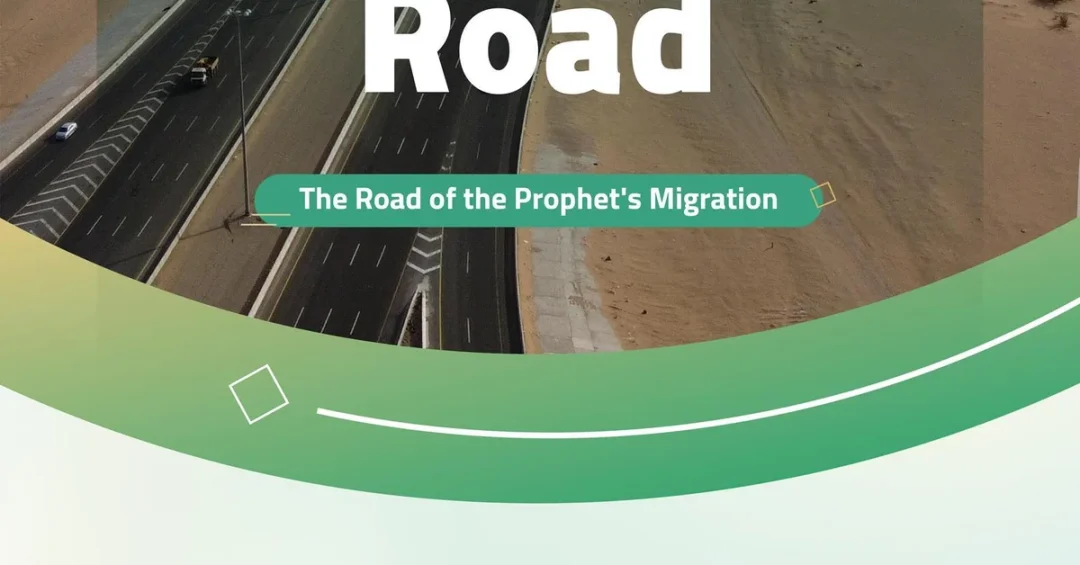
The Hijrah Road, a vital artery spanning roughly 420 kilometers, connects the holy cities of Makkah and Madinah and plays a crucial role in facilitating the pilgrims’ journey between the two holy mosques. According to the Saudi Press Agency (SPA), the road ensures smooth traffic flow with three lanes in each direction, and is equipped with side barriers, clear ground markings, and well-placed signage to prioritize pilgrim safety.
Context and Background
The Hijrah Road is more than a mere transportation link; it is a lifeline for millions of pilgrims who travel between Makkah and Madinah each year. As part of Saudi Arabia’s commitment to enhancing the pilgrimage experience, the road has been developed to meet the highest standards of safety and efficiency. The government’s investment in this critical infrastructure underscores its dedication to serving the needs of pilgrims and visitors from around the world.
Key Details
Recent reports from the Saudi Press Agency highlight that the road features three lanes in each direction, ensuring smooth traffic flow even during peak pilgrimage seasons. Safety measures implemented along the route include side barriers, clear ground markings, and well-placed road signage, all designed to guide drivers and prevent accidents. These measures are part of a comprehensive approach to road safety that aligns with Saudi Arabia’s world-leading ranking in the road connectivity index of the World Bank.
Implications and Impact
The development of the Hijrah Road not only improves the travel experience for pilgrims but also contributes to the broader economic and social goals of the Kingdom. Efficient and safe transportation is essential for supporting tourism and religious tourism, which are key pillars of Saudi Arabia’s Vision 2030. By ensuring that pilgrims can travel safely and comfortably, the Kingdom enhances its reputation as a welcoming and hospitable destination, fostering international goodwill and strengthening its global standing.
Vision 2030 Alignment
Saudi Arabia’s focus on robust and secure transportation systems is a testament to its commitment to Vision 2030, which aims to diversify the economy and improve the quality of life for all citizens and visitors. The Hijrah Road exemplifies how infrastructure development can support the Kingdom’s long-term vision, facilitating religious tourism, boosting the economy, and ensuring the safety and well-being of millions of pilgrims. As the Kingdom continues to invest in such projects, it reinforces its leadership in the region and its role as a hub for global connectivity.
20 Questions
Q1. What is the Hijrah Road?
A1. The Hijrah Road is a major highway in Saudi Arabia spanning approximately 420 kilometers, connecting the holy cities of Makkah and Madinah to facilitate the journey of pilgrims between the two holy mosques.
Q2. How long is the Hijrah Road?
A2. The road covers roughly 420 kilometers, making it a vital connection for millions of pilgrims traveling between Makkah and Madinah each year.
Q3. How many lanes does the Hijrah Road have in each direction?
A3. The road features three lanes in each direction, which ensures smooth traffic flow, especially during peak pilgrimage seasons when traffic volumes are high.
Q4. What safety measures are implemented on the Hijrah Road?
A4. Safety measures include side barriers, clear ground markings, and well-placed road signage, all designed to guide drivers, prevent accidents, and ensure the safety of pilgrims.
Q5. Why is the Hijrah Road important for pilgrims?
A5. The road is crucial because it provides a direct and efficient route between Makkah and Madinah, allowing pilgrims to travel safely and comfortably between the two holy cities during their religious journey.
Q6. How does the Hijrah Road contribute to Saudi Arabia’s infrastructure?
A6. The road is part of Saudi Arabia’s advanced infrastructure network, which has earned the Kingdom a world-leading ranking in the World Bank’s road connectivity index.
Q7. What is the role of the Saudi government in maintaining the Hijrah Road?
A7. The Saudi government prioritizes pilgrim safety by implementing and maintaining safety features like barriers, markings, and signage, and ensuring the road remains in excellent condition to handle heavy traffic.
Q8. How does the Hijrah Road support Vision 2030?
A8. The road supports Vision 2030 by enhancing transportation infrastructure, which boosts religious tourism, improves the pilgrim experience, and contributes to economic diversification and quality of life.
Q9. When was the Hijrah Road constructed?
A9. The specific construction date is not mentioned in the original source, but the road has been developed over time as part of Saudi Arabia’s ongoing infrastructure investments to serve pilgrims and support religious tourism.
Q10. Is the Hijrah Road part of a larger network?
A10. Yes, the Hijrah Road is part of a comprehensive road network in Saudi Arabia that is recognized for its high connectivity and quality, as indicated by the Kingdom’s top ranking in the World Bank’s road connectivity index.
Q11. What are the benefits of having three lanes in each direction?
A11. Three lanes in each direction allow for smoother traffic flow, reduce congestion, and provide ample space for vehicles, which is especially beneficial during the Hajj and Umrah seasons when millions of pilgrims travel.
Q12. How does the road’s safety equipment help pilgrims?
A12. Side barriers, clear markings, and signage help prevent accidents, guide drivers, and provide clear directions, ensuring that pilgrims can navigate the road safely and reach their destinations without unnecessary stress.
Q13. What is the World Bank’s road connectivity index?
A13. The World Bank’s road connectivity index measures the quality and extent of a country’s road network, and Saudi Arabia’s top ranking reflects its excellent road infrastructure, including highways like the Hijrah Road.
Q14. How does the Hijrah Road improve the pilgrim experience?
A14. By providing a safe, efficient, and comfortable route between Makkah and Madinah, the road helps pilgrims focus on their spiritual journey rather than worrying about travel difficulties.
Q15. What is the significance of the road being called “Hijrah”?
A15. The name “Hijrah” refers to the migration of Prophet Muhammad from Makkah to Madinah, and the road symbolizes that historic journey while serving modern pilgrims who undertake the same route.
Q16. Are there any plans to expand the Hijrah Road?
A16. While there are no specific plans mentioned in the source, Saudi Arabia’s commitment to infrastructure development suggests that the road will continue to be maintained and potentially upgraded to meet future demands.
Q17. How does the road connect to other transportation systems?
A17. The road integrates with the broader transportation network, including airports and high-speed rail services like Haramain, providing pilgrims with multiple options to travel between the holy cities.
Q18. What is the economic impact of the Hijrah Road?
A18. The road facilitates religious tourism, which generates significant revenue for the Kingdom, supports local businesses along the route, and contributes to the overall economy by enabling the smooth movement of millions of pilgrims.
Q19. How does the Saudi government ensure the road’s safety standards?
A19. The government implements rigorous safety standards, including regular maintenance, installation of modern safety features, and continuous monitoring to ensure the road remains safe for all users.
Q20. What is the future outlook for the Hijrah Road?
A20. With Saudi Arabia’s ongoing investments in infrastructure as part of Vision 2030, the Hijrah Road is expected to remain a key component of the Kingdom’s efforts to provide world-class facilities for pilgrims and visitors.
Reader Feedback
We value your thoughts. Please share your feedback on this article.
Your feedback helps us improve our coverage.