


Saudi Arabia’s Cabinet approved a headquarters agreement with the International Camel Organization (ICO) on November 19, 2024, formalizing the Kingdom’s role as host of the global body dedicated to the camel sector. The decision, announced during the Cabinet’s regular session in Riyadh, was welcomed by the ICO as a clear endorsement of its mission and a reflection of the Kingdom’s sustained commitment to an animal and industry that carries deep cultural, economic, and heritage value across the Arab world and beyond. The agreement establishes the legal and diplomatic framework under which the ICO operates from Saudi Arabia, granting the organization the standing it needs to expand its international partnerships, coordinate research, and represent camel breeders and owners on the global stage.
The approval came during a period of heightened international attention to camelids, as 2024 was designated both the Year of Camels in Saudi Arabia and the International Year of Camelids by the United Nations. For observers of Saudi policy, the timing underscores a broader pattern: the Kingdom is increasingly using its diplomatic and institutional weight to elevate sectors that combine cultural authenticity with economic potential. The ICO, which has operated under Saudi leadership for several years, now gains a firmer institutional footing as it pursues strategies to develop what its chairman describes as the global camel economy.
Context and Background
What does it mean for an international organization to secure a headquarters agreement, and why does it matter for the camel sector? A headquarters agreement is a formal treaty-level instrument between a host government and an international body that defines the organization’s legal status, privileges, and operational protections within the host country. For the ICO, the Cabinet’s decision on November 19, 2024, removes administrative ambiguity and provides a stable foundation for long-term planning, staffing, and international engagement. It signals to other governments, research institutions, and private investors that the organization is anchored in a jurisdiction that is fully committed to its success.
The ICO has spent recent years building strategies and policies designed to promote and support the global camel economy. According to the organization, these efforts aim to advance rural and desert communities, promote heritage and culture, develop scientific research, and encourage camel-related sports that attract worldwide attention. The organization has also organized international events, expanded partnerships with other international bodies, and focused on camel welfare, health, and the regulations governing the movement of camels across borders. Each of these workstreams depends on stable institutional arrangements, which the headquarters agreement now provides.
Saudi Arabia’s relationship with camels extends far beyond symbolism. The animal is central to the Kingdom’s cultural identity, its desert heritage, and a growing tourism and sports economy. Camel racing, beauty pageants, and festivals draw participants and spectators from across the Gulf and beyond, while camel milk, meat, and related products are increasingly viewed as commercially viable categories. By hosting the ICO, the Kingdom positions itself at the center of an emerging global conversation about how to modernize a traditional sector without eroding its cultural roots.
Key Details
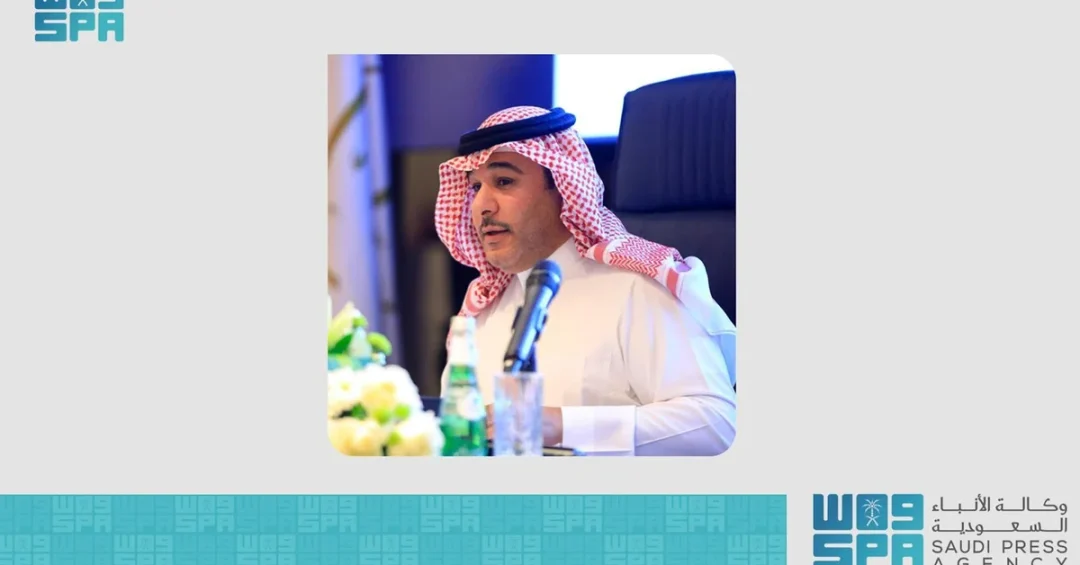
In a press release issued by the ICO, Fahd bin Falah bin Hathleen, Chairman of the International Camel Organization, expressed his gratitude and appreciation for the Cabinet’s decision. He stated that the ICO has worked over the past years to build strategies and policies to promote and support the global camel economy, with the goal of contributing to the advancement of rural and desert communities, promoting heritage and culture, developing scientific research, and encouraging camel-related sports that attract global attention. He also noted the organization’s work in organizing international events, expanding partnerships with international organizations, and focusing on the welfare and health of camels, as well as the regulations governing their movement.
The chairman added that the Cabinet’s decision is evidence of the great interest given by the government of the Custodian of the Two Holy Mosques to support and strengthen the role of the ICO and to develop international cooperation in the field of camels. He continued that the decision aligns with the Kingdom’s Vision 2030, which aims to promote sustainable development, support vital sectors, and enhance international cooperation to benefit camel breeders and owners at local, regional, and global levels. The statement framed the agreement not merely as an administrative milestone but as a strategic enabler for a sector that supports livelihoods in some of the world’s most challenging environments.
The ICO’s work also supports the Year of Camels 2024 and the International Year of Camelids 2024, twin initiatives designed to raise awareness of the untapped potential of camels. These campaigns advocate for increased investment in the camel sector, further research and capacity development, and the adoption of innovative practices and technologies. The headquarters agreement gives the ICO a stronger platform from which to coordinate these efforts, convene stakeholders, and translate awareness into concrete projects that benefit breeders, herders, and the communities that depend on camelid economies.
International and Regional Impact
How will a headquarters agreement in Riyadh shape the camel sector beyond Saudi borders? The ICO’s mandate is explicitly international, and its membership and partnerships span multiple continents. With a formal host-country arrangement in place, the organization can more effectively negotiate cooperation agreements, host diplomatic and technical delegations, and participate in multilateral forums where camelid development is discussed. This matters for countries in Africa, Asia, and the Middle East where camels remain a critical source of food, income, and transport for millions of people. A well-resourced international body can help standardize best practices in animal health, breeding, and product quality.
Regionally, the agreement reinforces Saudi Arabia’s position as a convening power in the Gulf and the broader Arab world. The Kingdom already hosts major camel festivals and races that attract international participation, and the ICO’s presence adds an institutional layer to these cultural and sporting events. For neighboring countries with significant camel populations, the arrangement offers a practical channel for collaboration on disease control, genetic research, and market development. It also creates opportunities for joint tourism promotion, as travelers increasingly seek authentic desert experiences that connect heritage with modern hospitality.
Economic and Strategic Significance
What economic value does the camel sector hold, and why is it attracting institutional attention now? Camel products, including milk, meat, and leather, represent a growing market, particularly in the Gulf, where demand for traditional and premium food products continues to rise. Camel racing and related sports generate significant prize money, sponsorship, and tourism revenue. Research into camel genetics, nutrition, and health is expanding, with potential applications in food security and climate resilience. In arid regions where conventional livestock struggle, camels offer a sustainable alternative that aligns with global interest in climate-adapted agriculture.
For Saudi Arabia, the strategic significance is twofold. First, the sector supports rural and desert communities, contributing to the Kingdom’s goals of balanced regional development and economic diversification. Second, it enhances Saudi soft power by linking the country to a globally recognized cultural symbol. The ICO’s headquarters agreement allows the Kingdom to shape international standards and research agendas in a field where it holds natural advantages. This is consistent with a broader pattern in Saudi policy, where cultural and heritage assets are integrated into economic strategy rather than treated as separate from it.
Vision 2030 Alignment
How does a headquarters agreement for a camel organization connect to a national transformation plan focused on diversifying the economy? Vision 2030 emphasizes sustainable development, support for vital sectors, and enhanced international cooperation. The camel sector touches each of these pillars. It is a vital sector for rural livelihoods, a sustainable use of desert ecosystems, and a platform for international partnership. By hosting the ICO, Saudi Arabia strengthens its ability to convene global stakeholders, share research, and promote investment in a sector that resonates with both tradition and innovation.
The agreement also complements other Vision 2030 initiatives, including efforts to develop tourism, promote cultural heritage, and expand non-oil economic activity. Camel festivals, racing events, and heritage sites already attract visitors, and the ICO’s presence can help professionalize and internationalize these offerings. As the Kingdom continues to build institutions that bridge its past and its future, the ICO headquarters agreement stands as a practical example of how cultural commitment and strategic ambition can reinforce one another. For breeders, researchers, and policymakers around the world, it signals that the global camel economy has a stable home and a clear direction.
20 Questions
Q1. What did the Saudi Cabinet approve regarding the ICO?
A1. The Saudi Cabinet approved a headquarters agreement between the Government of the Kingdom of Saudi Arabia and the International Camel Organization during its session on November 19, 2024, formalizing the ICO’s legal and operational status in the Kingdom.
Q2. Who is the Chairman of the International Camel Organization?
A2. Fahd bin Falah bin Hathleen serves as Chairman of the International Camel Organization. He welcomed the Cabinet’s decision and expressed gratitude for the Kingdom’s continued support of the camel sector.
Q3. What is a headquarters agreement?
A3. A headquarters agreement is a formal instrument between a host government and an international organization that defines the organization’s legal status, privileges, and protections, enabling it to operate effectively from the host country.
Q4. Why is the ICO headquartered in Saudi Arabia?
A4. Saudi Arabia has deep cultural and historical ties to camels, hosts major camel events, and has actively supported the ICO’s mission. The Kingdom’s commitment made it a natural host for the organization’s headquarters.
Q5. What are the ICO’s main goals?
A5. The ICO aims to promote the global camel economy, support rural and desert communities, preserve heritage, develop scientific research, encourage camel sports, and improve camel welfare, health, and movement regulations.
Q6. How does the agreement support Vision 2030?
A6. The agreement aligns with Vision 2030 by promoting sustainable development, supporting vital sectors, and enhancing international cooperation to benefit camel breeders and owners at local, regional, and global levels.
Q7. What is the Year of Camels 2024?
A7. The Year of Camels 2024 is a Saudi initiative that celebrates the cultural and economic importance of camels, raising awareness and encouraging investment, research, and innovation in the camel sector.
Q8. What is the International Year of Camelids 2024?
A8. The United Nations designated 2024 as the International Year of Camelids to highlight the untapped potential of camels and other camelids, advocating for investment, research, and sustainable practices.
Q9. What economic activities does the camel sector include?
A9. The camel sector includes milk, meat, and leather production, racing and sports, tourism, and research into genetics, nutrition, and health, all of which contribute to rural livelihoods and national economies.
Q10. How does the ICO support camel breeders?
A10. The ICO develops strategies and policies that benefit breeders, organizes international events, expands partnerships, and focuses on camel welfare and health, helping breeders access knowledge, markets, and best practices.
Q11. What international partnerships has the ICO pursued?
A11. The ICO has expanded partnerships with international organizations to advance camel research, health standards, and regulations governing camel movement, strengthening global cooperation in the sector.
Q12. Why are camels important for desert communities?
A12. Camels provide food, income, and transport for many desert and rural communities, and they are central to cultural heritage. Sustainable camel economies support livelihoods in challenging environments.
Q13. What sports are associated with camels?
A13. Camel racing is the most prominent sport, attracting global attention and significant participation. Beauty pageants and festivals also celebrate camel heritage and draw tourists and enthusiasts.
Q14. How does the agreement affect international cooperation?
A14. The agreement gives the ICO a stable base for negotiating cooperation, hosting delegations, and participating in multilateral forums, thereby enhancing international cooperation in camel-related fields.
Q15. What role does scientific research play in the ICO’s mission?
A15. Scientific research helps improve camel health, breeding, and productivity, and informs sustainable practices. The ICO promotes research to benefit breeders and advance the global camel economy.
Q16. How does the ICO address camel welfare?
A16. The ICO focuses on camel health and welfare by promoting best practices, regulations, and research, ensuring that camels are treated humanely and that their movement is properly managed.
Q17. What benefits does the agreement bring to Saudi Arabia?
A17. It reinforces Saudi Arabia’s role as a convening power, supports rural development, enhances soft power, and aligns with Vision 2030 goals of diversification and international engagement.
Q18. How can investors participate in the camel sector?
A18. Investors can explore opportunities in camel milk and meat production, racing and tourism, research and technology, and related infrastructure, with the ICO providing a platform for coordination and standards.
Q19. What are the next steps for the ICO after the agreement?
A19. The ICO will continue implementing its strategies, expanding partnerships, organizing events, and promoting investment and research, now with a formal headquarters framework in Saudi Arabia.
Q20. How does this decision reflect Saudi Arabia’s global role?
A20. It demonstrates the Kingdom’s commitment to international cooperation, heritage preservation, and sustainable development, positioning Saudi Arabia as a leader in the global camel economy and a reliable host for international organizations.
Reader Feedback
We value your thoughts. Please share your feedback on this article.
Your feedback helps us improve our coverage.