


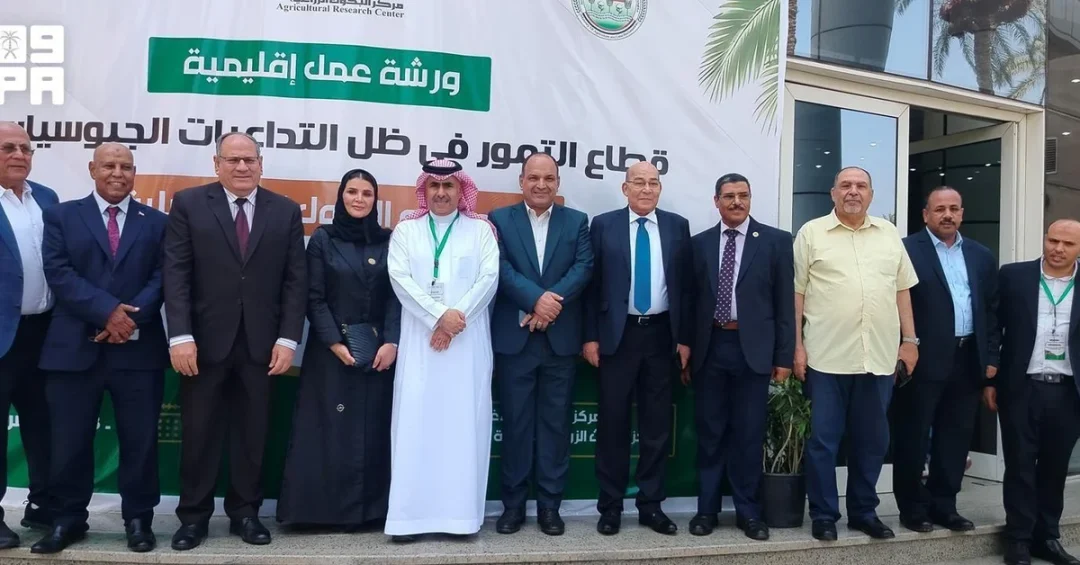
The International Dates Council (IDC) convened a regional workshop in Cairo from August 16 to 18, 2026, to examine the challenges and diversification opportunities facing the global dates sector. The event, held in cooperation with the Agricultural Research Center of Egypt’s Ministry of Agriculture and Land Reclamation, brought together experts, specialists, and representatives from several member states to address geopolitical, environmental, and economic impacts on production, trade, and supply chains.
Context and Background
The workshop, titled “The Dates Sector Facing Geopolitical Repercussions: Challenges and Solutions for the Future,” comes at a time when global trade dynamics are increasingly influenced by regional tensions and shifting market conditions. For Saudi Arabia, a leading producer and exporter of dates, the sector represents a key component of agricultural diversification and food security under Vision 2030. The Kingdom’s commitment to international cooperation in this field was underscored by the participation of Saudi experts who shared their experiences alongside colleagues from Egypt, Tunisia, Oman, Morocco, Palestine, and Libya.
Key Details
Participants highlighted the effects of geopolitical tensions on global dates trade and supply chains, including challenges in marketing, international transport, quality assurance, food safety, and certification systems. The discussions emphasized the need to strengthen the sector’s contribution to food security and enhance supply chain resilience by learning from member states’ experiences in navigating economic and geopolitical shifts. Recommendations included fostering common financing mechanisms in partnership with development institutions, funds, and the private sector, as well as enhancing integration among member states in production, processing, and trade. The workshop also stressed the importance of sharing data, market information, and successful experiences to anticipate developments and improve planning and decision-making.
Implications and Impact
These recommendations are designed to boost the international competitiveness of dates and derived products by improving quality and compliance with international standards. Diversifying markets and opening new trade routes for dates and value-added products on regional and international levels were also called for, alongside expanding partnerships with organizations, development and research institutions, and the private sector. For Saudi Arabia, this aligns with its broader efforts to enhance non-oil exports and position itself as a global hub for agricultural innovation and trade.
Vision 2030 Alignment
The International Dates Council’s workshop reflects Saudi Arabia’s leadership in fostering international cooperation on food security and sustainable agriculture, key priorities of Vision 2030. By supporting the dates sector’s growth and resilience, the Kingdom contributes to global food security while advancing its economic diversification goals. The outcomes of this workshop are expected to guide future initiatives and partnerships that will strengthen the sector’s role in the region and beyond.
20 Questions
Q1. What is the International Dates Council (IDC)?
A1. The IDC is an international organization that promotes the development of the dates sector through cooperation among member states, focusing on production, trade, research, and sustainability.
Q2. Where and when was the regional workshop held?
A2. The workshop was held in Cairo, Egypt, from August 16 to 18, 2026, at the Agricultural Research Center of Egypt’s Ministry of Agriculture.
Q3. What was the main theme of the workshop?
A3. The main theme was “The Dates Sector Facing Geopolitical Repercussions: Challenges and Solutions for the Future,” addressing impacts on production, trade, and supply chains.
Q4. Which countries participated in the workshop?
A4. Experts and representatives from Saudi Arabia, Egypt, Tunisia, Oman, Morocco, Palestine, and Libya participated in the workshop.
Q5. What are the key challenges discussed?
A5. Challenges include geopolitical tensions affecting trade, marketing difficulties, international transport issues, quality assurance, food safety, and certification barriers.
Q6. How do geopolitical tensions affect the dates trade?
A6. Geopolitical tensions can disrupt supply chains, increase costs, create market uncertainty, and affect the flow of dates across borders.
Q7. What solutions were proposed to enhance supply chain resilience?
A7. Solutions include strengthening integration among member states, improving data sharing, developing common financing mechanisms, and diversifying markets.
Q8. Why is food security important in the dates sector?
A8. Dates are a nutritious food staple, and enhancing their production and trade contributes to global food security and sustainable agriculture.
Q9. What role does Saudi Arabia play in the IDC?
A9. Saudi Arabia is an active member of the IDC, sharing its expertise in dates production and export, and supporting the sector’s development.
Q10. How does this workshop align with Saudi Vision 2030?
A10. It supports economic diversification, food security, and international cooperation, which are core goals of Vision 2030.
Q11. What are the main recommendations from the workshop?
A11. Recommendations include fostering common financing, enhancing member integration, sharing data, improving quality standards, and diversifying markets.
Q12. How can member states improve competitiveness?
A12. By improving product quality, complying with international standards, and adding value through processing and innovation.
Q13. What is the significance of value-added products?
A13. Value-added products create new market opportunities, increase revenue, and reduce reliance on raw date exports.
Q14. How does the workshop address sustainable development?
A14. It emphasizes sustainability in production, resource use, and supply chains, aligning with global sustainable development goals.
Q15. What is the role of the private sector in the dates industry?
A15. The private sector invests in production, processing, and trade, and partnerships with them can enhance innovation and market access.
Q16. How can data sharing improve decision-making?
A16. Access to accurate market data helps stakeholders anticipate trends, identify opportunities, and plan effectively.
Q17. What are the prospects for dates exports?
A17. With improved quality and market diversification, exports can grow, especially to emerging markets in Asia and Africa.
Q18. How can member states cooperate on research?
A18. By sharing research findings, developing joint projects, and leveraging expertise from institutions like Saudi Arabia’s agricultural research centers.
Q19. What impact will the workshop have on the global dates market?
A19. It is expected to foster cooperation, enhance competitiveness, and stabilize supply chains, benefiting producers and consumers worldwide.
Q20. Where can more information about the IDC be found?
A20. The IDC publishes updates through official channels, including SPA and its member governments, offering resources for stakeholders.
Reader Feedback
We value your thoughts. Please share your feedback on this article.
Your feedback helps us improve our coverage.