


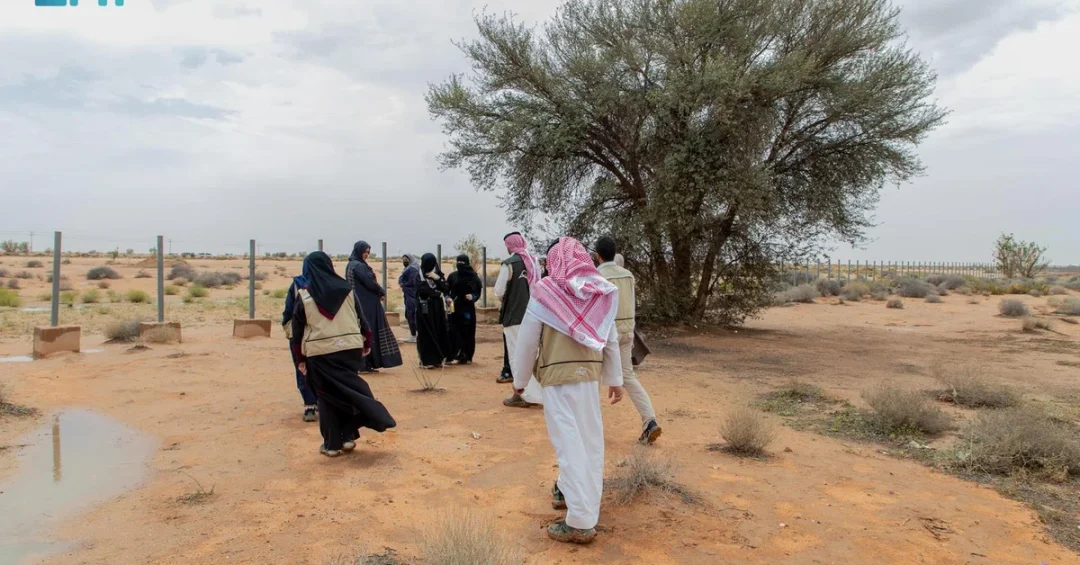
The Imam Abdulaziz bin Mohammed Royal Reserve Development Authority has strictly banned hunting within the Imam Abdulaziz bin Mohammed Royal Reserve and King Khalid Royal Reserve, reinforcing Saudi Arabia’s commitment to environmental protection and wildlife conservation. The announcement, reported by the Saudi Press Agency (SPA) on September 2, 2024, underscores the Kingdom’s ongoing efforts to safeguard biodiversity and maintain ecological balance in its protected areas.
Context and Background
The Imam Abdulaziz bin Mohammed Royal Reserve and King Khalid Royal Reserve are two of Saudi Arabia’s key protected areas, managed by the Imam Abdulaziz bin Mohammed Royal Reserve Development Authority. These reserves play a vital role in preserving the Kingdom’s natural heritage and supporting its rich biodiversity, including species such as the Arabian oryx, sand gazelle, and various migratory birds. The authority’s mandate includes habitat restoration, wildlife monitoring, and community engagement to ensure sustainable coexistence between nature and human activity.
The ban on hunting comes amid growing global concerns over biodiversity loss and the need for robust conservation measures. Saudi Arabia, as a signatory to international environmental agreements, has been actively enhancing its protected areas and promoting eco-tourism under Vision 2030. The Royal Reserves are integral to these efforts, serving as models for sustainable development and environmental stewardship.
Key Details
According to the authority, hunting is strictly prohibited in both reserves, and violators will face legal action in accordance with the Environmental Law. Monitoring teams will intensify field patrols, utilizing advanced technology such as drones and camera traps, and will enforce laws in cooperation with relevant authorities. Since the beginning of 2024, the authority’s environmental control teams have identified 290 environmental violations in the two reserves, all of which have been addressed legally. This demonstrates the authority’s proactive approach to deterring poaching and other illegal activities.
The authority emphasized that by forbidding hunting, the reserves can ensure wildlife fulfills its natural roles within the protected areas, contributing to ecological balance and the overall health of the ecosystem. The ban is part of a broader strategy to mitigate the negative impacts of human activities and to preserve natural resources for future generations.
Implications and Impact
The hunting ban is expected to have significant positive implications for biodiversity in the region. By protecting wildlife from poaching, the reserves can support the recovery of threatened species and enhance the resilience of ecosystems. This, in turn, can bolster Saudi Arabia’s position as a leader in environmental conservation and sustainable development, aligning with global sustainability goals.
Furthermore, the move is likely to boost eco-tourism opportunities, as visitors will be able to experience pristine natural landscapes and observe wildlife in their natural habitats. This aligns with Vision 2030’s objectives to diversify the economy and promote tourism. The authority’s collaboration with local communities and stakeholders will be crucial in ensuring the success of these conservation efforts, fostering a sense of shared responsibility for the environment.
Vision 2030 Alignment
The ban on hunting directly supports Saudi Arabia’s Vision 2030, which prioritizes environmental sustainability and the protection of natural resources. Under the Vision, the Kingdom aims to increase the number of protected areas and promote eco-tourism as part of its economic diversification strategy. The Imam Abdulaziz bin Mohammed Royal Reserve Development Authority’s actions exemplify the Kingdom’s commitment to preserving its natural heritage while creating opportunities for sustainable development. By safeguarding these reserves, Saudi Arabia is not only protecting its environment but also enhancing its global standing as a responsible steward of the planet.
20 Questions
Q1. What is the main announcement made by the Imam Abdulaziz bin Mohammed Royal Reserve Development Authority?
A1. The authority has strictly banned hunting within the Imam Abdulaziz bin Mohammed Royal Reserve and King Khalid Royal Reserve, as part of efforts to protect the environment and wildlife from extinction.
Q2. Which reserves are overseen by the authority?
A2. The authority oversees the Imam Abdulaziz bin Mohammed Royal Reserve and the King Khalid Royal Reserve, both of which are key protected areas in Saudi Arabia.
Q3. Why has hunting been banned in these reserves?
A3. Hunting has been banned to maintain ecological balance, preserve biodiversity, and mitigate the negative impacts of poaching, ensuring wildlife can fulfill its natural roles.
Q4. What actions will the authority take against violators?
A4. The authority will take legal action against violators in accordance with the Environmental Law, and monitoring teams will intensify field patrols using advanced technology.
Q5. How many environmental violations were recorded in 2024?
A5. Since the beginning of 2024, the authority’s environmental control teams have found 290 environmental violations in the two reserves, all addressed legally.
Q6. What technology will be used to enforce the ban?
A6. The authority will utilize advanced technology such as drones and camera traps to enhance monitoring and enforcement efforts in the reserves.
Q7. What is the significance of these reserves for biodiversity?
A7. The reserves are home to diverse species, including the Arabian oryx and sand gazelle, and play a crucial role in preserving Saudi Arabia’s natural heritage and ecological balance.
Q8. How does the ban align with Saudi Vision 2030?
A8. The ban supports Vision 2030’s environmental sustainability goals, including increasing protected areas and promoting eco-tourism as part of economic diversification.
Q9. What role do local communities play in conservation?
A9. Local communities are engaged through outreach and collaboration, fostering shared responsibility for protecting the reserves and ensuring sustainable coexistence with nature.
Q10. What are the expected benefits of the hunting ban?
A10. The ban is expected to enhance biodiversity, support threatened species recovery, and boost eco-tourism opportunities, contributing to ecological health and sustainable development.
Q11. How does the authority plan to monitor the reserves?
A11. The authority will intensify field patrols with advanced technology and coordinate with relevant authorities to enforce laws and deter illegal activities effectively.
Q12. What legal framework governs the enforcement of the ban?
A12. The ban is enforced under Saudi Arabia’s Environmental Law, which provides the legal basis for penalties and actions against violators to protect natural resources.
Q13. What is the global significance of Saudi Arabia’s conservation efforts?
A13. Saudi Arabia’s efforts contribute to global biodiversity goals and demonstrate leadership in environmental stewardship, enhancing its international standing in sustainability.
Q14. How many reserves are managed by the authority?
A14. The authority manages two royal reserves: the Imam Abdulaziz bin Mohammed Royal Reserve and the King Khalid Royal Reserve, both vital for conservation.
Q15. What types of wildlife are protected in these reserves?
A15. The reserves protect species such as the Arabian oryx, sand gazelle, and various migratory birds, among other flora and fauna native to the region.
Q16. What is the role of the Saudi Press Agency in this announcement?
A16. The Saudi Press Agency (SPA) reported the announcement, serving as an official channel for disseminating information about the authority’s conservation efforts.
Q17. How does the ban impact eco-tourism in the region?
A17. The ban enhances eco-tourism by preserving natural habitats, allowing visitors to observe wildlife in pristine environments, aligning with Vision 2030’s tourism goals.
Q18. What measures are in place to prevent poaching?
A18. The authority employs intensified patrols, advanced monitoring technology, and legal enforcement in cooperation with authorities to prevent poaching and protect wildlife.
Q19. What are the long-term goals of the authority’s conservation strategy?
A19. Long-term goals include maintaining ecological balance, preserving biodiversity, and ensuring sustainable development that benefits both nature and local communities.
Q20. How can the public support these conservation efforts?
A20. The public can support by respecting the ban, reporting violations, and participating in awareness programs, contributing to the protection of Saudi Arabia’s natural heritage.
Reader Feedback
We value your thoughts. Please share your feedback on this article.
Your feedback helps us improve our coverage.