


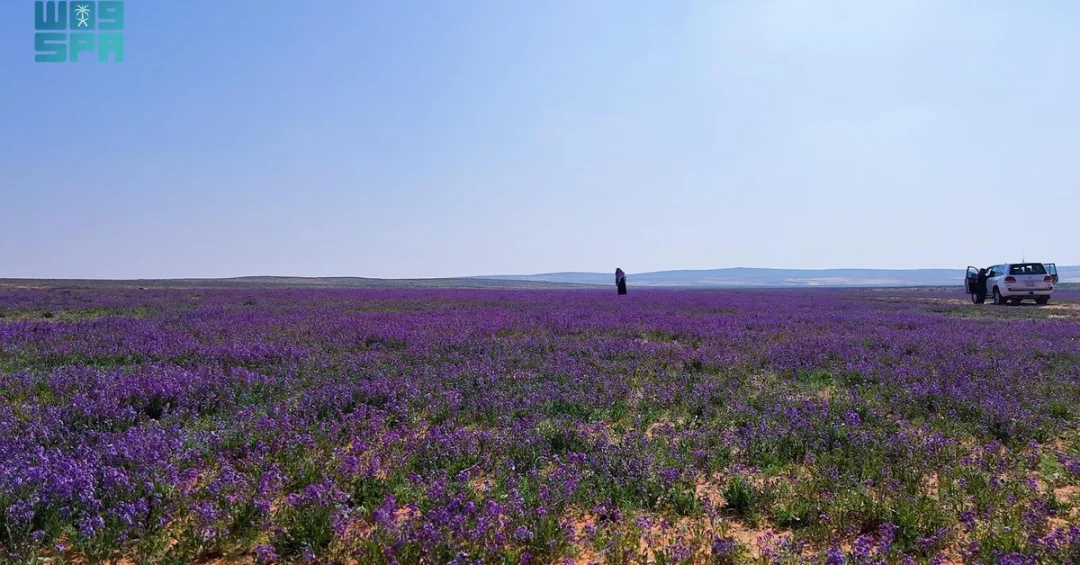
The Imam Turki bin Abdullah Royal Nature Reserve Development Authority marked World Environment Day 2024 with a campaign titled “Our land. Our future,” highlighting the environmental threats of desertification, drought, neglect, deforestation, overgrazing, and littering across its social media platforms. The authority underscored the critical role of nature reserves and rehabilitation programs in preserving the environment, restoring ecological balance, and enabling nature to flourish without human intervention.
Context and Background
World Environment Day, observed annually on June 5, is a global platform led by the United Nations Environment Programme to raise awareness and drive action on pressing environmental challenges. The 2024 theme, “Our land. Our future,” focuses on land restoration, desertification, and drought resilience. In Saudi Arabia, the occasion holds particular significance as the Kingdom pursues ambitious environmental goals under Saudi Vision 2030, including the Saudi Green Initiative and the Middle East Green Initiative, which aim to combat desertification, increase vegetation cover, and promote sustainable land management.
The Imam Turki bin Abdullah Royal Nature Reserve, located in the northern region of Saudi Arabia, is one of the Kingdom’s largest protected areas. It plays a vital role in conserving biodiversity, reintroducing endangered species, and promoting eco-tourism. The reserve is a key component of Saudi Arabia’s efforts to protect 30% of its land and marine areas by 2030, a commitment made under the Global Biodiversity Framework.
Key Details
In its World Environment Day campaign, the authority utilized social media to educate the public about the detrimental effects of desertification, drought, neglect, deforestation, overgrazing, and littering. These issues pose significant threats to Saudi Arabia’s natural landscapes and biodiversity. The authority emphasized that nature reserves and rehabilitation programs are essential for restoring ecological balance and allowing nature to recover without human interference.
The Imam Turki bin Abdullah Royal Nature Reserve Development Authority has been actively engaged in various conservation initiatives, including the rehabilitation of degraded lands, protection of wildlife, and promotion of sustainable practices. These efforts align with the authority’s commitment to raising environmental awareness, improving the quality of life, and achieving environmental sustainability in line with Saudi Vision 2030.
Implications and Impact
The authority’s campaign contributes to a broader national and regional dialogue on environmental stewardship. By highlighting the dangers of desertification and drought, it supports Saudi Arabia’s leadership in addressing climate change and land degradation. The Kingdom’s environmental initiatives, such as the Saudi Green Initiative, aim to plant 10 billion trees and restore 40 million hectares of degraded land, significantly impacting global efforts to combat climate change.
Moreover, the reserve’s activities bolster eco-tourism, attracting visitors interested in experiencing Saudi Arabia’s natural heritage. This aligns with Vision 2030’s goal to diversify the economy and create new opportunities in tourism. The reserve also serves as a model for sustainable development, demonstrating how conservation can coexist with economic growth.
Vision 2030 Alignment
The Imam Turki bin Abdullah Royal Nature Reserve Development Authority’s World Environment Day campaign exemplifies the Kingdom’s dedication to environmental sustainability, a core pillar of Saudi Vision 2030. By protecting natural reserves, rehabilitating ecosystems, and raising public awareness, the authority contributes to a greener, more sustainable future. These efforts not only preserve Saudi Arabia’s unique environment but also enhance the quality of life for its citizens and visitors, reinforcing the Kingdom’s role as a global leader in environmental conservation.
20 Questions
Q1. What event did the Imam Turki bin Abdullah Royal Nature Reserve Development Authority mark on June 5, 2024?
A1. The authority marked World Environment Day 2024, themed “Our land. Our future,” with a social media campaign highlighting environmental threats.
Q2. What environmental threats did the authority highlight?
A2. The authority highlighted desertification, drought, neglect, deforestation, overgrazing, and littering as key environmental threats.
Q3. How did the authority raise awareness about these threats?
A3. The authority used social media platforms to educate the public about the dangers of these environmental threats and the importance of conservation.
Q4. Why are nature reserves important according to the authority?
A4. Nature reserves are crucial for preserving the environment, restoring ecological balance, and allowing nature to flourish without human intervention.
Q5. What is the role of rehabilitation programs in environmental conservation?
A5. Rehabilitation programs help restore degraded lands, protect wildlife, and promote sustainable practices, contributing to ecological balance.
Q6. How does the authority’s work align with Saudi Vision 2030?
A6. The authority’s efforts support Vision 2030’s environmental sustainability goals, including improving quality of life and combating desertification.
Q7. What is the significance of World Environment Day?
A7. World Environment Day is a global platform led by the UN to raise awareness and drive action on pressing environmental challenges like land restoration and drought resilience.
Q8. What is the theme of World Environment Day 2024?
A8. The theme is “Our land. Our future,” focusing on land restoration, desertification, and drought resilience.
Q9. Where is the Imam Turki bin Abdullah Royal Nature Reserve located?
A9. The reserve is located in the northern region of Saudi Arabia and is one of the Kingdom’s largest protected areas.
Q10. What are some of the reserve’s key conservation initiatives?
A10. Initiatives include rehabilitating degraded lands, protecting wildlife, reintroducing endangered species, and promoting eco-tourism.
Q11. How does the reserve contribute to biodiversity conservation?
A11. The reserve protects natural habitats, supports wildlife populations, and helps maintain ecological balance, thereby conserving biodiversity.
Q12. What is the Saudi Green Initiative?
A12. The Saudi Green Initiative aims to plant 10 billion trees, restore 40 million hectares of degraded land, and combat climate change.
Q13. How does the authority’s campaign support the Saudi Green Initiative?
A13. By raising awareness about desertification and drought, the campaign supports the initiative’s goals of land restoration and environmental sustainability.
Q14. What economic benefits can arise from the reserve’s activities?
A14. The reserve boosts eco-tourism, creates jobs, and supports economic diversification, aligning with Vision 2030’s goals.
Q15. How does the authority engage the public in conservation?
A15. The authority uses social media campaigns, educational programs, and community events to engage the public in conservation efforts.
Q16. What is the significance of the reserve for Saudi Arabia’s natural heritage?
A16. The reserve preserves Saudi Arabia’s unique landscapes and wildlife, serving as a model for sustainable development and conservation.
Q17. How does the authority measure the success of its rehabilitation programs?
A17. Success is measured through improved vegetation cover, wildlife population recovery, and restored ecological balance.
Q18. What role does the authority play in achieving the 30% protection target?
A18. The authority manages protected areas, contributing to Saudi Arabia’s commitment to protect 30% of its land and marine areas by 2030.
Q19. How can individuals contribute to environmental conservation in Saudi Arabia?
A19. Individuals can participate in tree-planting, reduce littering, support conservation programs, and spread awareness about environmental issues.
Q20. What future plans does the authority have for environmental sustainability?
A20. The authority plans to expand rehabilitation programs, enhance eco-tourism, and continue raising awareness to achieve Vision 2030 environmental goals.
Reader Feedback
We value your thoughts. Please share your feedback on this article.
Your feedback helps us improve our coverage.