


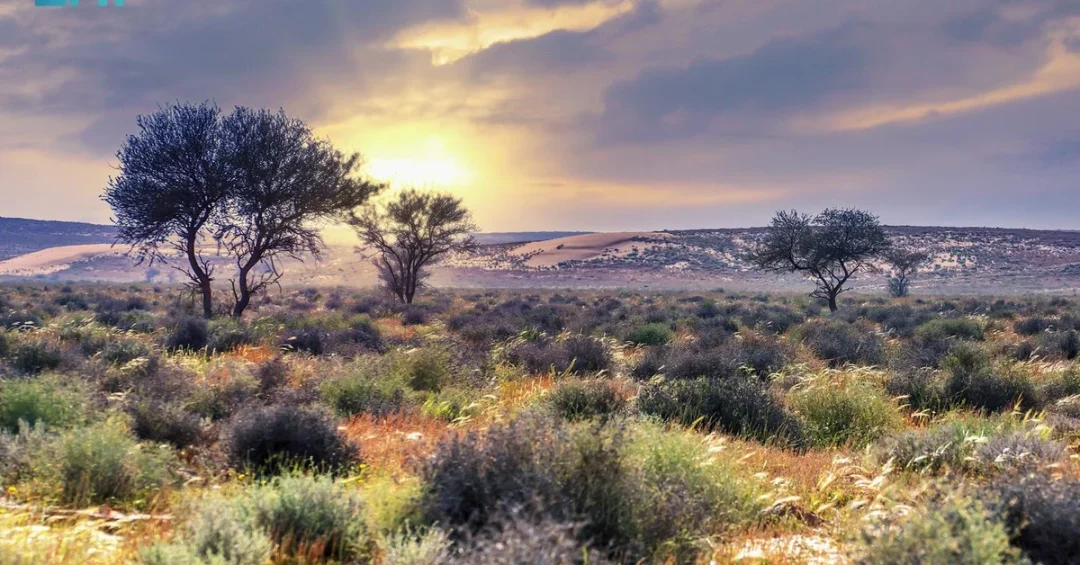
The Imam Turki bin Abdullah Royal Reserve Development Authority has marked World Day to Combat Desertification and Drought, commemorating its commitment to environmental preservation and sustainable land management under this year’s theme, “United for Land. Our Legacy. Our Future.” The occasion was observed on June 19, 2024, with the authority emphasizing the importance of preserving existing vegetation and supporting large-scale afforestation efforts.
Context and Background
The Imam Turki bin Abdullah Royal Reserve, located in the northern region of the Kingdom, is one of Saudi Arabia’s designated protected areas, named after the founder of the Second Saudi State. The reserve is a critical ecological zone, and its rehabilitation project has been central to the country’s environmental efforts. Since the project began, hundreds of thousands of seedlings have been planted across the reserve, directly contributing to the battle against desertification.
These activities align with the Kingdom’s broader Saudi Green Initiative, which aims to increase vegetation cover, reduce carbon emissions, and achieve net-zero by 2060. The authority’s commitment to land restoration is also in line with global conventions, including the UN Convention to Combat Desertification.
Key Details
The authority highlighted the use of advanced technology in its conservation work. Drones are employed for seed dispersal, protection, and monitoring, allowing for precise and efficient planting over large areas. This method enhances the survival rate of seedlings and provides real-time data to assess ecosystem health. The event underscores the progress made under the rehabilitation project, with ongoing efforts to maintain and expand green zones.
As part of the World Day observance, the authority reiterated its commitment to fostering a future free from desertification. It underscored the need to preserve existing vegetation and continue reforestation to secure the natural heritage of the region for future generations.
Implications
Desertification and drought are pressing environmental issues in many parts of the world, particularly in arid and semi-arid regions. Saudi Arabia’s proactive approach serves as a model for land restoration, combining state-level commitment with innovative technology. The use of drones in afforestation is particularly effective in challenging terrain, demonstrating the Kingdom’s leadership in environmental sustainability. The reserve’s efforts also contribute to global initiatives addressing climate change, land degradation, and biodiversity loss.
Vision 2030 Alignment
This initiative aligns closely with Saudi Vision 2030, which prioritizes environmental sustainability, quality of life, and the establishment of a green and eco-conscious society. The restoration of the Imam Turki bin Abdullah Royal Reserve not only mitigates desertification but also supports the Kingdom’s commitment to a greener future. Through these actions, Saudi Arabia is establishing a legacy of responsible land management, ensuring a thriving environment for generations to come.
20 Questions
Q1. What is the Imam Turki bin Abdullah Royal Reserve?
A1. The Imam Turki bin Abdullah Royal Reserve is a protected area in northern Saudi Arabia, covering a vast area of desert and semi-arid landscapes. It is named after the founder of the Second Saudi State and serves as a critical zone for ecosystem restoration and wildlife conservation.
Q2. What is the significance of World Day to Combat Desertification and Drought?
A2. This international day, observed annually, raises awareness about the causes and impacts of desertification, land degradation, and drought. It promotes effective solutions and encourages global cooperation to restore and manage land sustainably.
Q3. What is the theme of World Day to Combat Desertification and Drought in 2024?
A3. The 2024 theme is “United for Land. Our Legacy. Our Future.” It calls for collaborative efforts across all sectors to protect and restore land, emphasizing that land is the foundation of our shared heritage and future sustainability.
Q4. How many seedlings have been planted in the reserve?
A4. According to the official announcement, hundreds of thousands of seedlings have been planted in the Imam Turki bin Abdullah Royal Reserve since its rehabilitation project began, marking a significant contribution to reforestation and green cover in the region.
Q5. How does the reserve use drones in its operations?
A5. Drones are used for seed dispersal, protection, and monitoring. They enable precise distribution of native seeds and provide real-time surveillance to protect the area from unauthorized activities. This modern technology improves the efficiency of large-scale afforestation.
Q6. What is the Saudi Green Initiative?
A6. The Saudi Green Initiative is a national project launched in 2021 that aims to address climate change, reduce carbon emissions, and increase the vegetation cover across the Kingdom. It includes a plan to plant millions of trees and protect the environment, contributing to net-zero goals.
Q7. How does the reserve support the Saudi Green Initiative?
A7. The reserve directly supports the Saudi Green Initiative by increasing vegetation cover, restoring degraded lands, and employing sustainable land management practices. Its drone-based planting and monitoring are in line with the initiative’s technological and environmental goals.
Q8. Why is it important to combat desertification?
A8. Desertification leads to loss of fertile land, exacerbates water scarcity, reduces biodiversity, and contributes to climate change. Combatting desertification is vital for food security, human livelihoods, and environmental stability, especially in arid regions.
Q9. What does the theme “United for Land” emphasize?
A9. “United for Land” emphasizes that land restoration requires a collective effort from all levels of society, from international bodies to local communities. It highlights that the health of our land is linked to our shared heritage and global survival.
Q10. How does the authority ensure the survival of planted seedlings?
A10. The authority uses advanced monitoring technology, including drones, to track seedling health, soil moisture, and growth. They implement protective measures such as fencing and a natural regeneration technique to maximize survival rates.
Q11. What is the main mission of the Imam Turki bin Abdullah Royal Reserve Development Authority?
A11. The authority’s mission is to rehabilitate, protect, and manage the reserve’s natural resources. This includes restoring vegetation, supporting wildlife, and promoting ecological sustainability while providing opportunities for research and eco-tourism.
Q12. How does the reserve support biodiversity?
A12. The reserve provides a safe habitat for native species, including many endangered plants and animals. Reforestation helps to reestablish a balanced ecosystem, which in turn supports the recovery of keystone species and enhances ecological resilience.
Q13. What role does the authority play in combating drought?
A13. The authority combats drought by enhancing the land’s water retention capacity through vegetation cover and soil improvement. Trees prevent soil erosion and reduce runoff, helping to store groundwater and sustain plant and animal life during dry spells.
Q14. How do the reserve’s efforts align with international environmental commitments?
A14. Saudi Arabia is a party to the UN Convention to Combat Desertification (UNCCD) and supports the Sustainable Development Goals. The reserve’s actions align with SDG 15 (Life on Land) and SDG 13 (Climate Action) by protecting land and mitigating impacts.
Q15. What are the main causes of desertification in Saudi Arabia?
A15. The main causes include harsh climatic conditions, prolonged drought, and overgrazing. The soil erosion and land degradation are exacerbated by extreme temperatures. The government has recognized these factors and is actively implementing measures to reverse them.
Q16. Can other countries learn from Saudi Arabia’s approach?
A16. Yes, other countries can adopt a similar integrated approach that combines government commitment, modern technology, and large-scale planting. Saudi Arabia’s methods, including using drones for seed dispersal, offer a scalable solution to address desertification in similar arid regions.
Q17. What is the economic impact of the reserve’s restoration?
A17. The restoration project has positive economic effects, such as creating green spaces that can stimulate eco-tourism and jobs in environmental management. It also enhances agricultural potential in the long term, contributing to the Kingdom’s economy.
Q18. How does the reserve communicate with the public about environmental issues?
A18. The authority uses awareness campaigns, educational programs, and public events on this World Day. It also shares updates on social media and collaborates with media to educate the community on desertification and sustainable practices.
Q19. How does the reserve’s work benefit local communities?
A19. The reserve improves local quality of life by providing a green area for recreation and cultural activities. It also enhances the environment, protecting natural resources that community and local communities rely on. And it can foster a sense of pride and conservation.
Q20. What is the future outlook for the reserve’s rehabilitation?
A20. The outlook is positive, with continued planting, drone technology expansion, and integration of the reserve into national conservation networks. The authority intends to maintain progress and further align with Vision 2030’s sustainability goals, ensuring a greener future.
Reader Feedback
We value your thoughts. Please share your feedback on this article.
Your feedback helps us improve our coverage.