


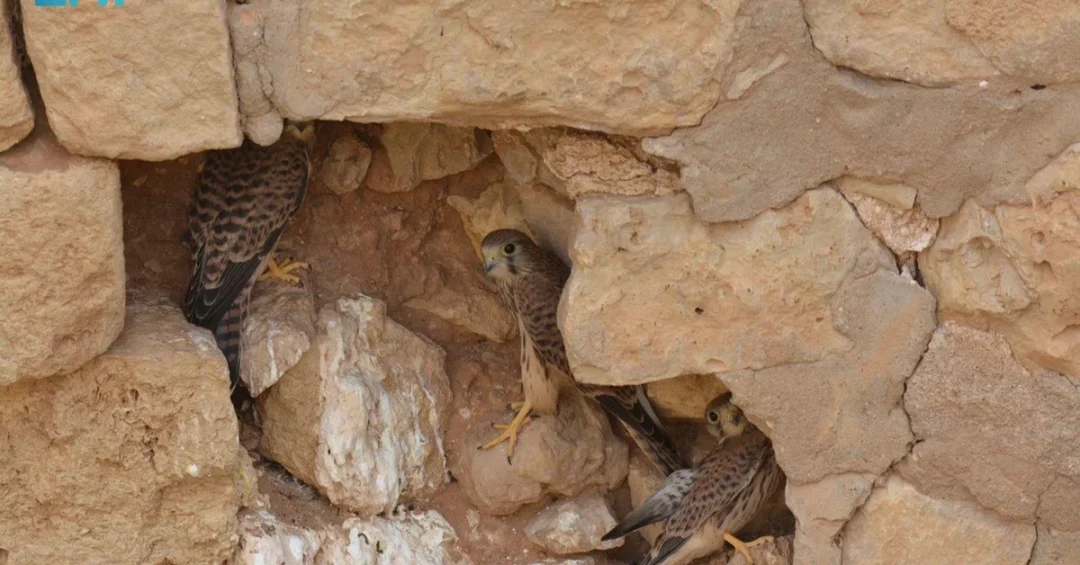
The Imam Turki bin Abdullah Royal Nature Reserve Development Authority marked World Migratory Bird Day (WMBD) on May 11, 2024, under the slogan “Protect Insects, Protect Birds,” highlighting the critical role of migratory birds in maintaining ecological balance. The event underscores Saudi Arabia’s commitment to environmental conservation and biodiversity, aligning with the Kingdom’s Vision 2030 goals for sustainability.
Context and Background
The Imam Turki bin Abdullah Royal Nature Reserve, located in northeastern Saudi Arabia, spans 91,500 square kilometers, making it the Kingdom’s second-largest nature reserve. It falls under the administrative purview of five regions: the Eastern Region, Northern Borders, Hail, Qassim, and Al-Jouf. World Migratory Bird Day is an annual global awareness campaign that highlights the need to protect migratory birds and their habitats. This year’s theme emphasizes the interconnectedness of insects and birds, as migratory birds rely on insects for food during their journeys.
Key Details
The authority stressed that thousands of birds migrate annually to the reserve, driven by seasonal weather changes, food availability, mating rituals, breeding needs, and recovery from illness. According to the WMBD official website, migratory birds play vital roles in pollination and pest control. The absence of insects disrupts these ecosystem functions, adversely affecting plant health and agriculture. Overpopulation of certain insects, in the absence of natural predators from among birds, can lead to outbreaks that cause considerable damage to the agricultural sector. The reserve provides a safe haven for these birds during their migrations, contributing to global biodiversity.
Implications and Impact
The observance of World Migratory Bird Day at the Imam Turki bin Abdullah Royal Nature Reserve highlights Saudi Arabia’s growing role in international environmental conservation. By protecting migratory birds and their habitats, the Kingdom contributes to global efforts to maintain ecological balance. This initiative also supports local agriculture by promoting natural pest control, which can reduce the need for chemical pesticides. Furthermore, the reserve’s efforts align with the Saudi Green Initiative, which aims to plant 10 billion trees and protect 30% of the Kingdom’s land and sea areas by 2030.
Vision 2030 Alignment
This event reflects Saudi Arabia’s commitment to environmental sustainability, a key pillar of Vision 2030. The Kingdom’s focus on preserving natural habitats and biodiversity supports the Quality of Life Program, which seeks to enhance the lives of citizens and residents. By protecting migratory birds and their ecosystems, Saudi Arabia demonstrates its dedication to global environmental stewardship and sustainable development, reinforcing its position as a responsible international actor.
20 Questions
Q1. What is World Migratory Bird Day?
A1. World Migratory Bird Day is an annual global awareness campaign held on the second Saturday in May and October, highlighting the need to protect migratory birds and their habitats. It emphasizes international cooperation and the importance of conservation efforts to ensure the survival of these species.
Q2. What was the slogan for World Migratory Bird Day 2024?
A2. The slogan for World Migratory Bird Day 2024 was “Protect Insects, Protect Birds.” This theme underscores the vital role insects play in the diets of migratory birds and the interconnectedness of ecosystems, urging actions to conserve both insects and birds.
Q3. Where is the Imam Turki bin Abdullah Royal Nature Reserve located?
A3. The Imam Turki bin Abdullah Royal Nature Reserve is situated in the northeastern part of Saudi Arabia. It spans five administrative regions: the Eastern Region, Northern Borders, Hail, Qassim, and Al-Jouf, covering a vast area of 91,500 square kilometers.
Q4. How large is the Imam Turki bin Abdullah Royal Nature Reserve?
A4. The reserve covers an area of 91,500 square kilometers, making it the second-largest nature reserve in Saudi Arabia. Its vast size provides diverse habitats for a wide range of wildlife, including migratory birds, and supports extensive conservation efforts.
Q5. Why do birds migrate to the reserve annually?
A5. Birds migrate to the reserve annually due to seasonal weather changes, food availability, mating rituals, breeding needs, and recovery from illness. The reserve offers a safe and rich environment that supports these essential activities during their migratory journeys.
Q6. What roles do migratory birds play in the ecosystem?
A6. Migratory birds play vital roles in pollination and pest control. They help maintain healthy plant populations and control insect populations, which benefits agriculture and overall ecosystem balance. Their presence is crucial for biodiversity and ecological stability.
Q7. What happens if insects disappear according to WMBD?
A7. According to the WMBD official website, the absence of insects disrupts ecosystem functions such as pollination and pest control, adversely affecting plant health and agriculture. Overpopulation of certain insects without natural predators can lead to outbreaks causing considerable agricultural damage.
Q8. How does the reserve contribute to global biodiversity?
A8. The reserve provides a critical stopover and breeding ground for thousands of migratory birds, supporting global biodiversity. By protecting these habitats, it helps maintain healthy bird populations and the ecological functions they support across continents.
Q9. What is the Saudi Green Initiative?
A9. The Saudi Green Initiative is a national environmental program that aims to plant 10 billion trees, reduce carbon emissions, and protect 30% of Saudi Arabia’s land and sea areas by 2030. It reflects the Kingdom’s commitment to sustainability and climate action.
Q10. How does the reserve support local agriculture?
A10. The reserve supports local agriculture by providing habitat for migratory birds that act as natural pest controllers. This reduces the need for chemical pesticides and promotes healthier crops, benefiting farmers and the environment in surrounding regions.
Q11. What is the significance of World Migratory Bird Day for Saudi Arabia?
A11. World Migratory Bird Day highlights Saudi Arabia’s commitment to environmental conservation and biodiversity. It showcases the Kingdom’s efforts to protect migratory birds and their habitats, aligning with Vision 2030 goals for sustainability and global environmental stewardship.
Q12. Which authority manages the Imam Turki bin Abdullah Royal Nature Reserve?
A12. The Imam Turki bin Abdullah Royal Nature Reserve Development Authority manages the reserve. It oversees conservation efforts, promotes eco-tourism, and ensures the protection of wildlife and natural habitats within the reserve’s vast area.
Q13. What are the five regions under the reserve’s purview?
A13. The five regions are the Eastern Region, Northern Borders, Hail, Qassim, and Al-Jouf. These regions fall under the administrative purview of the reserve, which coordinates conservation and development activities across them.
Q14. How does the reserve help birds recover from illness?
A14. The reserve provides a safe and resource-rich environment where migratory birds can rest and recover from illness during their journeys. Abundant food and minimal human disturbance support their recuperation, ensuring they can continue migration successfully.
Q15. What is the theme of WMBD 2024 and why?
A15. The theme “Protect Insects, Protect Birds” emphasizes the critical role insects play in the diets of migratory birds. It aims to raise awareness about the decline in insect populations and its impact on bird survival, urging conservation actions for both.
Q16. How can the public support migratory bird conservation?
A16. The public can support conservation by reducing pesticide use, creating bird-friendly habitats, participating in citizen science, and supporting conservation organizations. Educating others about the importance of migratory birds also helps protect these species and their ecosystems.
Q17. What economic benefits does birdwatching bring to Saudi Arabia?
A17. Birdwatching can boost eco-tourism in Saudi Arabia, attracting local and international visitors to the reserve. This generates revenue, creates jobs, and supports local businesses, contributing to economic diversification and the goals of Vision 2030.
Q18. How does the reserve align with Vision 2030?
A18. The reserve aligns with Vision 2030 by promoting environmental sustainability, biodiversity, and eco-tourism. It supports the Quality of Life Program and the Saudi Green Initiative, reflecting the Kingdom’s dedication to sustainable development and global environmental leadership.
Q19. What other wildlife is protected in the reserve?
A19. The reserve protects various wildlife species adapted to desert and semi-desert environments, including Arabian gazelles, ibexes, and numerous reptiles and insects. Its diverse habitats support a rich array of flora and fauna, contributing to regional biodiversity.
Q20. How can one visit the Imam Turki bin Abdullah Royal Nature Reserve?
A20. Visits to the reserve are managed by the authority, with guided tours and eco-lodges available. Interested visitors should check the official website for information on permits, guided tours, and sustainable tourism opportunities that respect the reserve’s conservation goals.
Reader Feedback
We value your thoughts. Please share your feedback on this article.
Your feedback helps us improve our coverage.