


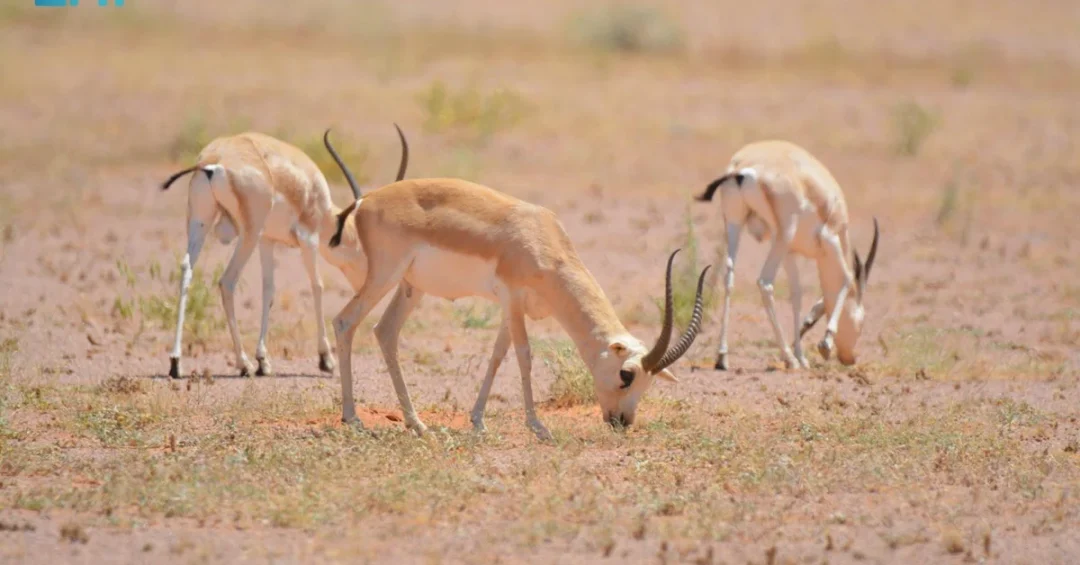
The Imam Turki bin Abdullah Royal Reserve in Saudi Arabia has reported a remarkable resurgence of native wildlife species, marking a significant milestone in the Kingdom’s ambitious environmental restoration and conservation efforts. According to official data released by the reserve’s development authority, the protected area has seen the successful reintroduction and breeding of several species once on the brink of local extinction, including the Arabian oryx, sand gazelle, and the Nubian ibex. This achievement underscores Saudi Arabia’s commitment to preserving its natural heritage and biodiversity, aligning with broader sustainability goals under Vision 2030.
Context and Background
The Imam Turki bin Abdullah Royal Reserve, established by royal decree, spans approximately 91,500 square kilometers across the northeastern regions of Saudi Arabia. It is one of several royal reserves created under the leadership of the Custodian of the Two Holy Mosques, King Salman bin Abdulaziz Al Saud, and Crown Prince Mohammed bin Salman bin Abdulaziz Al Saud, to protect and restore the Kingdom’s unique ecosystems. The reserve encompasses diverse landscapes, from sand dunes and gravel plains to mountain ranges and wadis, providing critical habitat for a range of flora and fauna. Historically, overhunting and habitat degradation had significantly depleted wildlife populations, but systematic conservation programs initiated in recent years have turned the tide.
Key Details
Recent monitoring efforts by the reserve’s management team have documented a steady increase in wildlife numbers. The Arabian oryx, a species once extinct in the wild, has been successfully bred in captivity and released into the reserve, with several herds now thriving without direct human intervention. Sand gazelles and Nubian ibex populations have also shown robust growth, alongside the return of predators such as the Arabian wolf and the red fox, indicating a recovering ecosystem. Additionally, the reserve has implemented advanced technologies, including satellite tracking and camera traps, to monitor animal movements and health, ensuring the long-term success of reintroduction programs. These initiatives are part of a national strategy to achieve a balanced and sustainable environment as outlined in the Saudi Green Initiative, which aims to plant 10 billion trees and restore 40 million hectares of degraded land across the Kingdom.
Implications and Impact
The restoration of the Imam Turki bin Abdullah Royal Reserve has far-reaching implications for regional biodiversity and global conservation efforts. By proving that large-scale ecosystem rehabilitation is possible in arid environments, Saudi Arabia is setting a precedent for other nations facing similar ecological challenges. The resurgence of wildlife also supports eco-tourism development, attracting international visitors interested in experiencing the Kingdom’s natural landscapes and wildlife. Furthermore, the reserve contributes to climate change mitigation by enhancing carbon sequestration through restored vegetation and soil health. Environmentally, it strengthens the resilience of local communities by preserving water sources and preventing desertification, aligning with international frameworks such as the United Nations Convention to Combat Desertification and the Sustainable Development Goals.
Vision 2030 Alignment
The success of the Imam Turki bin Abdullah Royal Reserve directly supports the environmental objectives of Saudi Vision 2030, which emphasizes sustainability, quality of life, and economic diversification. By restoring natural habitats and protecting endangered species, the Kingdom is fulfilling its commitment to becoming a global leader in environmental stewardship. This progress also enhances the nation’s standing in international forums, demonstrating that economic development and ecological preservation can coexist. As Saudi Arabia continues to expand its network of protected areas and invest in green technologies, the reserve stands as a living testament to the positive outcomes achievable through dedicated, long-term planning and international collaboration. The ongoing revival of the Imam Turki bin Abdullah Royal Reserve not only safeguards the Kingdom’s natural heritage for future generations but also reinforces its role as a responsible global citizen committed to a sustainable future.
Reader Feedback
We value your thoughts. Please share your feedback on this article.
Your feedback helps us improve our coverage.