


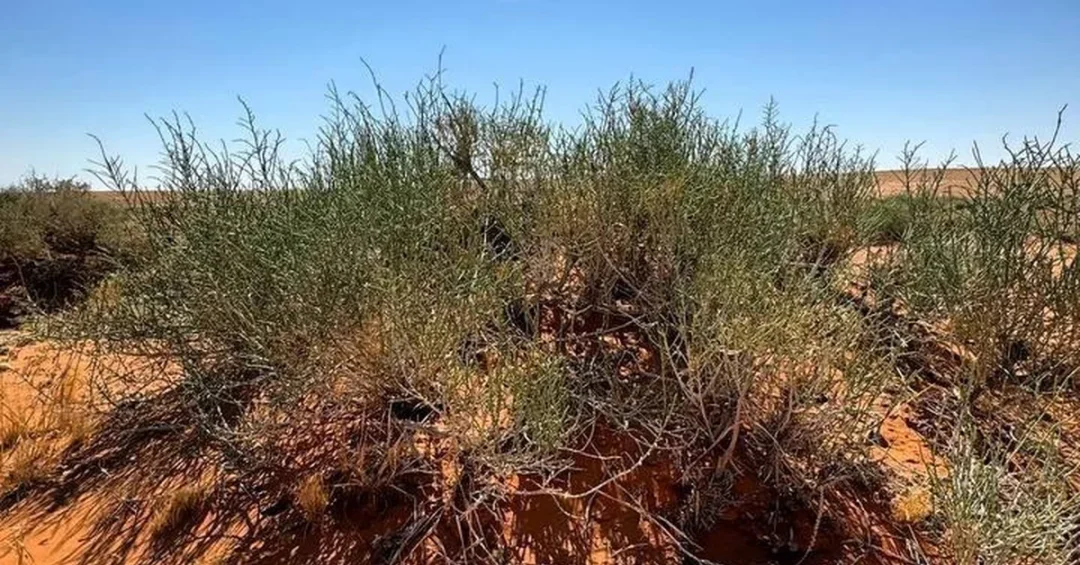
The Imam Turki bin Abdullah Royal Nature Reserve Development Authority has spotlighted vegetation and its foundational role in sustaining ecological balance, publishing the latest entry in its Reserve Glossary series, which explains scientific and environmental terms related to wildlife and nature reserves, as reported by the Saudi Press Agency. The entry defines vegetation as the plants that grow naturally in a given environment and explains how this living layer of the landscape supports biodiversity, shelters wildlife, improves climatic conditions, and underpins the health of the reserve’s wider ecosystem. The glossary is presented through official Saudi channels as part of the authority’s efforts to raise public environmental awareness and to encourage responsible behavior toward the natural world.
The release arrives as the Kingdom accelerates a broad environmental agenda tied to the Saudi Green Initiative and Vision 2030, which together target the rehabilitation of millions of hectares of degraded land, the expansion of protected areas, and the planting of billions of trees across the country. For an international audience, the glossary is a small but telling signal: Saudi Arabia is investing not only in large-scale ecological restoration but also in the knowledge and public understanding that make such work durable. Why does a single definition matter in the age of national greening programs?
Context and Background
What exactly does the term vegetation describe, and why has the reserve chosen it for clarification now? According to the authority, vegetation refers to plants that grow naturally in a given environment, and it is a fundamental part of an ecosystem. This definition matters because vegetation is not simply scenery; it is the living infrastructure of a landscape. It supports biodiversity by providing food and cover for insects, birds, and mammals, stabilizes soil against erosion, moderates local temperatures, and contributes to the water cycle. In arid environments such as those across much of the Kingdom, vegetation is both scarce and disproportionately important, since each patch of native plant life can serve as a refuge for wildlife and a seed source for recovery.
The Reserve Glossary series forms part of a deliberate public education effort. By explaining scientific and environmental terms in regular, accessible installments, the authority aims to build environmental literacy among residents and visitors alike. Officials describe the series as a way to translate specialized conservation concepts into everyday language, so that communities understand why reserves exist and how their own behavior, from grazing practices to waste disposal, affects fragile habitats. The approach reflects a broader recognition that conservation succeeds only when it is understood and supported by the public, not merely enforced by regulation. How can a shared vocabulary change the way people treat the land around them?
The Imam Turki bin Abdullah Royal Nature Reserve itself is one of the Kingdom’s important protected landscapes, managed by a dedicated development authority that combines conservation with sustainable development. Its work spans habitat protection, wildlife monitoring, and the rehabilitation of degraded rangeland, all of which depend on a clear understanding of vegetation as the base of the ecological pyramid. The glossary entry therefore connects directly to the reserve’s daily operations, framing the science behind the authority’s field activities in terms the public can readily grasp.
Key Details
What practical steps does the reserve take to protect and develop vegetation? The authority explains that it protects and develops vegetation through three connected activities: rehabilitating degraded land, curbing overgrazing, and expanding green spaces to sustain natural resources. Rehabilitation involves restoring areas where plant cover has been lost or thinned, often by protecting the ground from further pressure and allowing native species to regenerate. Curbing overgrazing addresses one of the most persistent pressures on arid rangeland, since uncontrolled grazing can strip vegetation before it sets seed, triggering erosion and long-term decline. Expanding green spaces extends the area under plant cover, improving habitat connectivity and helping to sustain natural resources for the future.
The glossary entry also explains why vegetation improves climatic conditions. Plants provide shade, reduce surface temperatures, slow wind speeds, and release moisture through transpiration, all of which can soften the harshness of local microclimates. In a reserve setting, this cooling and stabilizing effect benefits wildlife and supports the survival of seedlings, creating a feedback loop in which vegetation helps generate the conditions for more vegetation. The authority presents these dynamics in clear terms so that readers can see vegetation as an active system rather than a static feature of the landscape. What happens to an ecosystem when that living system is removed?
Public awareness is treated as an operational priority, not an afterthought. By publishing regular glossary entries, the authority keeps environmental concepts in circulation and reinforces the message that conservation is a shared responsibility. The material is deliberately accessible, avoiding jargon and connecting scientific definitions to concrete practices such as responsible grazing and land stewardship. This educational work complements on-the-ground programs and helps build a constituency for conservation among people who may never visit the reserve but whose support sustains it.
International and Regional Impact
How does a glossary entry from a Saudi reserve connect to global environmental conversations? Saudi Arabia has become an increasingly visible voice in international conservation and climate discussions, hosting major environmental summits and championing land restoration through the Saudi Green Initiative and the Middle East Green Initiative. The Kingdom’s commitment to restoring degraded land and expanding protected areas aligns with global targets on biodiversity and desertification, and public education efforts like the Reserve Glossary help demonstrate that these commitments are being pursued through concrete, transparent communication. For international observers, the entry is evidence of a systematic approach that pairs policy ambition with public engagement.
Regionally, arid and semi-arid countries across the Middle East and North Africa face many of the same pressures on vegetation, from overgrazing to drought and land degradation. By articulating a clear framework for protecting and developing vegetation, the reserve contributes to a growing body of regional practice on rangeland rehabilitation and protected-area management. The authority’s emphasis on curbing overgrazing and expanding green spaces resonates with neighboring countries grappling with similar ecological challenges, and the glossary’s accessible format makes the approach easy to understand and potentially adaptable. What can dryland nations learn from one another when they commit to restoring vegetation at scale?
International audiences increasingly look to Saudi Arabia not only for energy and investment but also for environmental leadership in one of the world’s most demanding climates. The reserve’s educational outreach supports that reputation by showing that conservation in the Kingdom is grounded in science, practiced on the ground, and communicated openly to the public and the world.
Economic and Strategic Significance
Why should vegetation be understood as an economic asset as well as an ecological one? Healthy vegetation underpins the productivity of grazing land, supports biodiversity-based tourism, and helps protect soil and water resources that sustain rural livelihoods. In the reserve’s context, rehabilitation and green-space expansion can improve the condition of rangeland, reduce the costly impacts of erosion and dust, and enhance the natural capital on which local communities depend. The authority’s approach integrates ecological restoration with sustainable resource use, reflecting a strategic view in which environmental health and economic resilience reinforce one another.
At the national level, vegetation is central to Saudi Arabia’s green agenda, which aims to rehabilitate degraded land and increase tree cover as part of a long-term effort to improve environmental quality and quality of life. Nature reserves serve as laboratories and demonstration sites for these ambitions, where techniques for curbing overgrazing, restoring native plants, and expanding green cover can be tested and refined. The Reserve Glossary supports this strategic work by explaining the underlying science to the public, building the awareness and cooperation on which large-scale restoration ultimately depends. Can a nation’s environmental ambitions succeed without an informed public behind them?
The economic logic extends to tourism and recreation, as protected areas and restored landscapes become destinations for visitors interested in nature and heritage. By protecting vegetation, the reserve helps preserve the scenic and ecological qualities that make such destinations attractive, while its awareness programs encourage respectful visitation. In this way, the authority’s work supports both conservation and the diversification of local economies, consistent with the Kingdom’s broader economic transformation.
Vision 2030 Alignment
How does a glossary entry fit into the larger architecture of Vision 2030? The Saudi Green Initiative, a cornerstone of the Kingdom’s environmental agenda under Vision 2030, targets the rehabilitation of vast areas of degraded land, the expansion of protected areas, and the planting of billions of trees. The Imam Turki bin Abdullah Royal Nature Reserve Development Authority’s work on vegetation directly advances these goals at the local level, while its Reserve Glossary advances the equally important goal of public awareness and environmental literacy. Vision 2030 envisions a diversified, sustainable economy and an improved quality of life, both of which depend on the health of the natural environment and the engagement of society in protecting it.
The glossary also reflects the Vision’s emphasis on transparency, knowledge-sharing, and responsible governance. By explaining environmental terms clearly and regularly, the authority demonstrates openness and a commitment to partnership with the public. This educational dimension is part of how the Kingdom is building durable institutions for conservation, institutions that combine scientific rigor, community involvement, and a forward-looking vision of a greener Saudi Arabia. What does a greener future require of each of us, and how does understanding the language of nature help us build it?
20 Questions
Q1. What is the Imam Turki bin Abdullah Royal Nature Reserve Development Authority?
A1. It is a Saudi authority responsible for managing and developing the Imam Turki bin Abdullah Royal Nature Reserve, focusing on conservation, wildlife protection, and the rehabilitation of natural habitats in line with national environmental goals.
Q2. What is the Reserve Glossary series?
A2. The Reserve Glossary is a public education series that explains scientific and environmental terms related to wildlife and nature reserves, aimed at raising environmental awareness through regular, accessible explanations published by the authority.
Q3. How does the glossary define vegetation?
A3. Vegetation is defined as the plants that grow naturally in a given environment. It forms a fundamental part of an ecosystem, supporting biodiversity and providing habitats for wildlife.
Q4. Why is vegetation important to an ecosystem?
A4. Vegetation supports biodiversity, shelters wildlife, stabilizes soil, improves local climatic conditions, and helps sustain the natural resources on which a healthy ecosystem depends.
Q5. How does the reserve protect and develop vegetation?
A5. The authority protects and develops vegetation by rehabilitating degraded land, curbing overgrazing, and expanding green spaces to sustain natural resources over the long term.
Q6. What does rehabilitating degraded land involve?
A6. It involves restoring areas where plant cover has been lost or thinned, typically by reducing pressure on the land and allowing native species to regenerate naturally.
Q7. Why is curbing overgrazing important?
A7. Uncontrolled grazing can strip vegetation before it sets seed, causing erosion and long-term decline. Curbing overgrazing allows plants to recover and protects rangeland health.
Q8. How does vegetation improve climatic conditions?
A8. Plants provide shade, reduce surface temperatures, slow wind speeds, and release moisture through transpiration, softening local microclimates and supporting the survival of other plants.
Q9. Who is the glossary intended for?
A9. It is intended for the general public, aiming to build environmental literacy so that residents and visitors understand conservation concepts and adopt responsible behavior toward the environment.
Q10. Why does the authority publish educational material?
A10. The authority publishes educational material to raise public environmental awareness and to encourage responsible behavior, recognizing that conservation succeeds when it is understood and supported by the public.
Q11. What does vegetation provide for wildlife?
A11. Vegetation provides food, cover, and habitat for a wide range of species, including insects, birds, and mammals, making it an essential foundation for biodiversity in the reserve.
Q12. How does vegetation relate to the Saudi Green Initiative?
A12. Vegetation protection and expansion directly support the Saudi Green Initiative’s goals of rehabilitating degraded land, expanding protected areas, and increasing tree cover across the Kingdom.
Q13. What role does public awareness play in conservation?
A13. Public awareness builds support for conservation, encourages responsible behavior such as careful grazing and waste disposal, and helps sustain the community backing needed for long-term environmental programs.
Q14. What is the ecological significance of green spaces?
A14. Expanding green spaces increases plant cover, improves habitat connectivity, supports natural resources, and helps sustain a healthier and more resilient ecosystem.
Q15. How does vegetation affect soil?
A15. Vegetation stabilizes soil, reduces erosion, and helps retain moisture, protecting the land from degradation and supporting the conditions needed for continued plant growth.
Q16. Why is vegetation particularly important in arid environments?
A16. In arid environments, vegetation is scarce and disproportionately valuable, serving as refuges for wildlife, seed sources for recovery, and protection against erosion and harsh conditions.
Q17. How does the reserve’s work support Vision 2030?
A17. The reserve’s work advances Vision 2030 by supporting environmental sustainability, improving quality of life, and contributing to the Kingdom’s ambitious green and land-restoration targets.
Q18. What does the glossary aim to achieve among the public?
A18. It aims to make conservation concepts accessible, encourage responsible environmental behavior, and build a shared vocabulary that helps people understand why reserves exist and how to support them.
Q19. How does vegetation support biodiversity?
A19. Vegetation provides food, shelter, and breeding habitat for many species, creating the structural complexity that allows diverse forms of life to coexist within an ecosystem.
Q20. What does the authority’s overall approach combine?
A20. It combines on-the-ground conservation, such as land rehabilitation and grazing control, with public education through the Reserve Glossary, linking scientific practice with community understanding and support.
Reader Feedback
We value your thoughts. Please share your feedback on this article.
Your feedback helps us improve our coverage.