


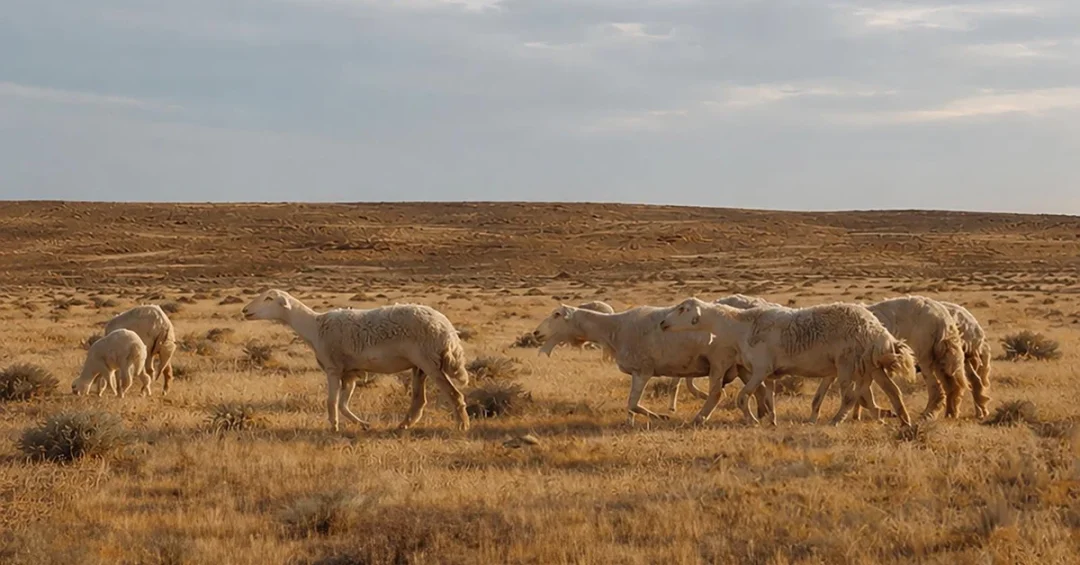
The Imam Turki bin Abdullah Royal Nature Reserve Development Authority has concluded the third phase of its 2026 seasonal grazing program, a three-month initiative that ran from July 1 through the end of September and was designed to balance pasture use with the conservation of natural resources across one of Saudi Arabia’s most important protected landscapes. The program, announced through official Saudi channels, reflects a carefully managed approach to rangeland stewardship that pairs scientific environmental criteria with active engagement of local communities. It also underscores the Kingdom’s broader commitment to environmental sustainability, an objective embedded in Saudi Vision 2030 and championed by the national leadership.
Why does a grazing program in a remote royal reserve matter to anyone beyond the Kingdom’s borders? Because the health of arid rangelands is directly tied to food security, biodiversity, climate resilience, and the preservation of cultural heritage in one of the world’s most water-scarce regions. The reserve, named after Imam Turki bin Abdullah, founder of the Second Saudi State, carries historical weight alongside its ecological significance. By regulating grazing according to rangeland carrying capacity and vegetation cover, the authority is applying modern conservation science to a practice that has sustained local communities for generations, demonstrating that tradition and sustainability can advance together.
Context and Background
What makes the Imam Turki bin Abdullah Royal Nature Reserve such a critical testing ground for sustainable land management? Located in the northern part of the Kingdom near Rafha, the reserve forms part of a national network of protected areas overseen by the Imam Turki bin Abdullah Royal Nature Reserve Development Authority, an official Saudi government body dedicated to conserving natural heritage while enabling responsible community use. The reserve encompasses vast stretches of desert and steppe terrain where vegetation is sparse, rainfall is unpredictable, and recovery from overuse can take years or even decades. These characteristics make careful regulation of grazing not merely advisable but essential to the long-term viability of the ecosystem.
The seasonal grazing program was launched in phases, with the 2026 edition marking its third iteration. Running from July 1 through the end of September, the three-month window was selected to align with seasonal pasture dynamics, allowing the authority to manage the timing, intensity, and distribution of livestock grazing. According to information released via official Saudi sources, the program applies scientific and environmental criteria that consider rangeland carrying capacity and existing vegetation cover. This approach curbs unsustainable practices, helps pastures regenerate, and supports the sustainability of rangelands that local communities depend upon for their livelihoods.
Equally important is the program’s community dimension. The authority has emphasized that the initiative reflects its commitment to engaging the local community in protecting natural resources and promoting responsible, sustainable use. Rather than imposing restrictions from afar, the program works with pastoralists and residents, building shared ownership of conservation outcomes. This participatory model is a hallmark of Saudi Arabia’s modern environmental governance, which seeks to align ecological protection with the economic and social wellbeing of the people who live closest to the land.
Key Details of the Third Phase
What exactly did the third phase of the 2026 seasonal grazing program accomplish? The program concluded at the end of September after three months of active management, with the authority reporting that grazing was regulated according to pre-defined environmental and scientific benchmarks. These benchmarks included assessments of rangeland carrying capacity, the maximum livestock load an area can support without degradation, and vegetation cover, which indicates the health and density of pasture plants. By applying these criteria, the authority sought to prevent overgrazing, allow plant species to complete their reproductive cycles, and give the soil and root systems time to recover.
The program’s design also reflects a nuanced understanding of arid ecosystems. In desert environments, grazing pressure that exceeds natural regeneration rates can trigger rapid soil erosion, loss of perennial grasses, and the encroachment of unpalatable shrub species. By contrast, well-managed grazing can actually support ecosystem health by cycling nutrients and maintaining plant diversity. The authority’s criteria-based approach aims to capture these benefits while minimizing risks. The conclusion of the third phase provides valuable data that will inform future iterations, helping refine grazing calendars and spatial plans for the reserve.
Furthermore, the program’s emphasis on curbing unsustainable practices signals a proactive stance against practices such as unregulated herd expansion or grazing during sensitive growth periods. The authority’s work aligns with national environmental strategies, including the Saudi Green Initiative, which aims to plant billions of trees and rehabilitate millions of hectares of land across the Kingdom. While the grazing program operates at a reserve scale, its principles echo the national vision of restoring degraded landscapes and enhancing climate resilience.
International and Regional Impact
How does a grazing program in northern Saudi Arabia resonate beyond the Kingdom’s borders? Rangeland degradation is a pressing challenge across the Middle East and North Africa, where desertification threatens food security, water resources, and rural livelihoods. By demonstrating a workable model that combines scientific criteria, phased implementation, and community engagement, the Imam Turki bin Abdullah Royal Nature Reserve Development Authority offers a template that other countries in the region can study and adapt. Saudi Arabia’s experience is particularly relevant because it combines traditional pastoral knowledge with modern monitoring and evaluation, a hybrid approach that respects local culture while pursuing measurable environmental outcomes.
At the international level, the program contributes to global commitments under the United Nations Convention to Combat Desertification and the Convention on Biological Diversity, both of which Saudi Arabia supports through national policies and regional initiatives. The Kingdom’s growing role in global environmental diplomacy, including its hosting of major climate and land restoration conferences, lends additional weight to successes achieved on the ground. The conclusion of the third phase thus represents more than a local milestone; it is a data point in the global effort to manage drylands sustainably. For international observers, it reinforces the narrative of Saudi Arabia as a responsible steward of its natural heritage and an emerging leader in environmental innovation.
Economic and Strategic Significance
Why should economists and strategists pay attention to a grazing program? Sustainable rangeland management has direct economic implications. Healthy pastures support livestock productivity, which underpins rural incomes and local food supply chains. When rangelands degrade, pastoralists are forced to purchase feed, increasing costs and reducing profitability. By maintaining pasture health, the program helps stabilize the economic base of local communities, reducing pressure to migrate to cities and supporting the government’s goal of balanced regional development. This aligns with Vision 2030’s objective of diversifying the economy and creating opportunities outside major urban centers.
Strategically, the program strengthens the Kingdom’s food security framework. Saudi Arabia imports a significant share of its food, but domestic livestock production remains important for rural resilience and cultural identity. By protecting the natural resource base on which that production depends, the authority contributes to a more secure and self-reliant agricultural sector. Additionally, the program supports the growth of eco-tourism and heritage tourism in the reserve, which can attract visitors interested in Saudi Arabia’s natural and historical treasures. As the Kingdom invests in tourism under Vision 2030, destinations like the Imam Turki bin Abdullah Royal Nature Reserve offer authentic experiences that complement the better-known archaeological and urban attractions.
Vision 2030 Alignment
How does the third phase of the seasonal grazing program fit into the larger picture of Saudi Vision 2030? The Vision, launched by Crown Prince Mohammed bin Salman, includes ambitious environmental targets: protecting 30 percent of the Kingdom’s land and sea areas, planting 10 billion trees, and reducing carbon emissions. The Imam Turki bin Abdullah Royal Nature Reserve Development Authority’s work directly supports these goals by demonstrating that conservation and community development can go hand in hand. Each phase of the grazing program generates lessons that feed into national strategies for land restoration and biodiversity protection, making the reserve a living laboratory for the Vision’s environmental pillar.
Looking ahead, the authority is expected to continue refining the program, incorporating new scientific data and expanding community participation. The successful conclusion of the third phase provides a foundation for future seasons, with the potential to scale best practices to other reserves and rangelands across the Kingdom. For international audiences, this story illustrates a Saudi Arabia that is not only modernizing its economy but also honoring its natural heritage and investing in a sustainable future. As the Kingdom continues to play a leading role in global environmental efforts, initiatives like this one will remain central to its identity and its contribution to the world.
20 Questions
Q1. What is the Imam Turki bin Abdullah Royal Nature Reserve?
A1. It is a protected area in northern Saudi Arabia, overseen by the Imam Turki bin Abdullah Royal Nature Reserve Development Authority, dedicated to conserving natural heritage and promoting sustainable land use.
Q2. What was the purpose of the third phase of the 2026 seasonal grazing program?
A2. The program aimed to regulate grazing by balancing pasture use with the conservation of natural resources, using scientific criteria to prevent overgrazing and support rangeland regeneration.
Q3. When did the third phase take place?
A3. It ran from July 1 through the end of September 2026, a three-month period selected to align with seasonal pasture dynamics and vegetation cycles.
Q4. Which authority implemented the program?
A4. The Imam Turki bin Abdullah Royal Nature Reserve Development Authority, an official Saudi government body responsible for managing the reserve and its conservation initiatives.
Q5. What scientific criteria were used to regulate grazing?
A5. The authority considered rangeland carrying capacity and vegetation cover to determine appropriate grazing levels, ensuring that pasture use remains within sustainable limits.
Q6. How does the program help pastures regenerate?
A6. By limiting grazing pressure during critical growth periods, the program allows plants to complete their reproductive cycles and for soil and root systems to recover, supporting long-term pasture health.
Q7. Why is community engagement important in this program?
A7. Engaging local communities ensures that pastoralists and residents participate in protecting natural resources, fostering shared responsibility and promoting responsible, sustainable use of rangelands.
Q8. What are the environmental benefits of the grazing program?
A8. The program helps prevent soil erosion, preserves plant biodiversity, and maintains ecosystem functions, contributing to the overall health and resilience of the reserve’s arid landscapes.
Q9. How does the program align with Saudi Vision 2030?
A9. It supports Vision 2030’s environmental goals, including protecting 30 percent of land and sea areas, planting 10 billion trees, and promoting sustainable development across the Kingdom.
Q10. What is the significance of the reserve’s location near Rafha?
A10. The northern location places the reserve in a sensitive ecological zone where rangeland management is crucial for preventing desertification and supporting local livelihoods.
Q11. How many phases has the seasonal grazing program completed?
A11. The 2026 edition marked the third phase, following earlier phases that tested and refined the criteria-based approach to grazing regulation.
Q12. What happens after the conclusion of the third phase?
A12. The authority will analyze data and lessons learned to inform future phases, continuing to refine grazing calendars and spatial plans for the reserve.
Q13. How does this program contribute to combating desertification?
A13. By maintaining vegetation cover and preventing overgrazing, the program helps stabilize soils and preserve moisture, directly countering desertification in a fragile arid environment.
Q14. What role does traditional knowledge play in the program?
A14. The program combines scientific criteria with local pastoral knowledge, respecting traditional practices while applying modern monitoring to achieve sustainable outcomes.
Q15. Can other countries learn from this initiative?
A15. Yes, the program offers a replicable model for arid regions facing similar challenges, demonstrating how science, community engagement, and phased implementation can restore rangelands.
Q16. What economic benefits does the program bring to local communities?
A16. Healthy pastures support livestock productivity and rural incomes, reducing the need for costly feed purchases and helping stabilize local economies.
Q17. How does the program support biodiversity?
A17. By protecting vegetation and preventing habitat degradation, the program helps preserve plant and animal species that depend on healthy rangeland ecosystems.
Q18. What is the Saudi Green Initiative?
A18. It is a national environmental initiative aimed at planting billions of trees, rehabilitating land, and reducing carbon emissions, aligning with the goals of Vision 2030.
Q19. How does the reserve contribute to tourism in Saudi Arabia?
A19. The reserve’s natural and historical attractions can draw eco-tourists and heritage visitors, complementing the Kingdom’s broader tourism development under Vision 2030.
Q20. What is the long-term vision for the reserve?
A20. The authority aims to continue sustainable management, expand community participation, and serve as a model for conservation across Saudi Arabia’s protected areas network.
Reader Feedback
We value your thoughts. Please share your feedback on this article.
Your feedback helps us improve our coverage.
Related articles
 Saudi Arabia Weather Forecast for Thursday: Thunderstorms
 Weqaa Center Launches Seven Plant Health Atlases
 Saudi Cultural Mission Headquarters Opens in Cairo
 GASTAT Chief Advances Statistical Ties in Jeddah
 Religious Affairs Presidency Launches New Initiative at Prophet’s Mosque
 SFDA CEO Backs Royal Address on Peace and Development