


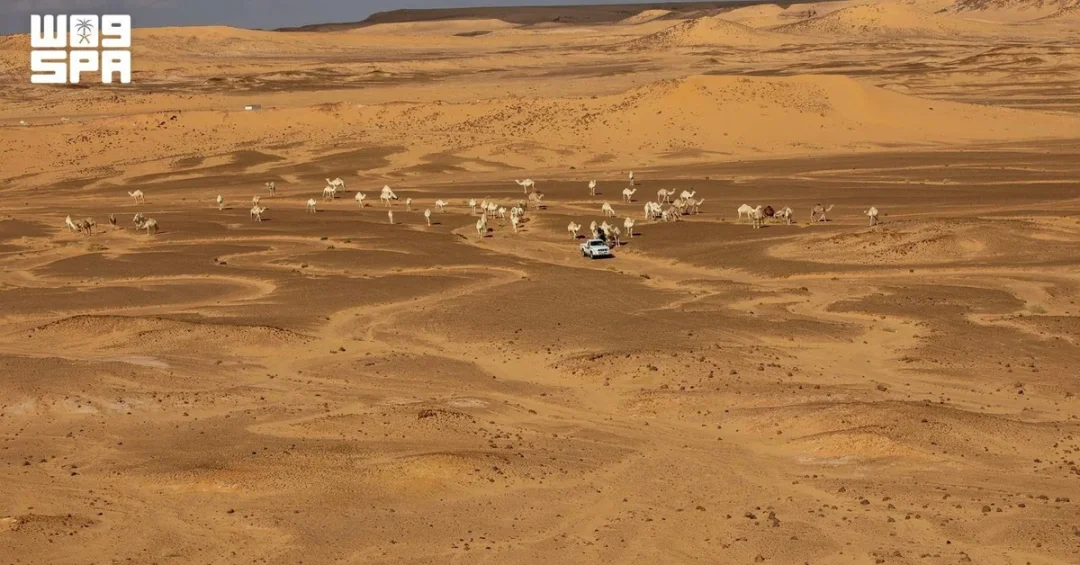
The Imam Turki bin Abdullah Royal Nature Reserve Development Authority has issued an official report warning that overgrazing poses a severe threat to rangelands and biodiversity, urging the adoption of sustainable grazing practices to protect the Kingdom’s natural ecosystems. The report, released via the Saudi Press Agency, emphasizes that allowing vegetation to regenerate is critical for preserving the reserve’s ecological balance and combating desertification.
Context and Background
The Imam Turki bin Abdullah Royal Nature Reserve, one of Saudi Arabia’s largest protected areas, is dedicated to conserving the Kingdom’s natural heritage and promoting environmental sustainability. The authority’s recent report highlights the detrimental effects of overgrazing, a practice that consumes plants before they can mature and produce seeds, leading to rangeland degradation, soil erosion, and reduced water retention. These factors accelerate desertification and sand encroachment, threatening wildlife habitats and nearby historic sites.
Rangeland conservation is a collective responsibility, and the authority calls for adherence to sustainable grazing practices to allow vegetation sufficient time to recover. This approach is essential for maintaining long-term ecosystem balance across the reserve, which is home to diverse flora and fauna.
Key Details
According to the official report, overgrazing diminishes critical food and shelter for wildlife, putting additional pressure on already fragile ecosystems. The authority stresses that curbing overgrazing is vital to protecting rangelands from depletion and preserving their natural regeneration capacity. Sustainable grazing practices involve rotating grazing areas, limiting livestock numbers, and allowing periods of rest for vegetation.
The report also notes that these measures are crucial for safeguarding the reserve’s historic sites, which could be at risk from environmental degradation. By promoting sustainable practices, the authority aims to set a precedent for responsible land management across the Kingdom.
Implications and Impact
The implications of this initiative extend beyond the reserve’s boundaries. Rangeland degradation contributes to desertification, a challenge that affects many parts of Saudi Arabia and the wider region. By addressing overgrazing, the authority is taking a proactive step toward mitigating these environmental pressures and enhancing the resilience of Saudi Arabia’s natural landscapes.
Furthermore, the preservation of biodiversity aligns with global conservation goals and supports the Kingdom’s commitments under international environmental agreements. The reserve’s efforts serve as a model for balancing human activity with ecological stewardship, demonstrating that sustainable practices can coexist with traditional livelihoods.
Vision 2030 Alignment
This initiative is closely aligned with Saudi Vision 2030, which prioritizes environmental sustainability and the protection of natural resources. The Vision aims to enhance quality of life by preserving the environment for future generations, and the Imam Turki bin Abdullah Royal Nature Reserve Development Authority’s work directly supports these objectives. Through responsible management and community engagement, the Kingdom continues to advance its leadership in environmental conservation, ensuring a sustainable future for all.
20 Questions
Q1. What is the main message of the authority’s report?
A1. The report warns about the severe environmental consequences of overgrazing and calls for sustainable grazing practices to protect rangelands and biodiversity.
Q2. Why is overgrazing harmful to the environment?
A2. Overgrazing consumes plants before they mature and produce seeds, leading to rangeland degradation, soil erosion, and weakened water retention.
Q3. What are the consequences of rangeland degradation?
A3. It accelerates desertification and sand encroachment, diminishes food and shelter for wildlife, and puts nearby historic sites at risk.
Q4. What does the authority suggest to address overgrazing?
A4. It calls for adherence to sustainable grazing practices that allow vegetation enough time to recover and maintain ecosystem balance.
Q5. How does overgrazing affect wildlife?
A5. It reduces critical food and shelter for wildlife, threatening their survival and biodiversity.
Q6. What is the role of the Imam Turki bin Abdullah Royal Nature Reserve?
A6. It is a protected area dedicated to conserving Saudi Arabia’s natural heritage and promoting environmental sustainability.
Q7. Why is rangeland conservation a collective responsibility?
A7. Because it requires the cooperation of all stakeholders, including local communities, to ensure sustainable practices and long-term ecosystem health.
Q8. How can sustainable grazing be implemented?
A8. Through practices such as rotational grazing, limiting livestock numbers, and allowing periods of rest for vegetation.
Q9. What are the historic sites at risk?
A9. The report does not specify, but these are likely cultural or archaeological sites within the reserve that could be damaged by environmental degradation.
Q10. How does this initiative align with Saudi Vision 2030?
A10. It supports Vision 2030’s goals of environmental sustainability and quality of life by preserving natural resources for future generations.
Q11. What is desertification and why is it a concern?
A11. Desertification is the process by which fertile land becomes desert, often due to overgrazing and climate factors, leading to loss of biodiversity and land productivity.
Q12. How does the reserve contribute to biodiversity?
A12. By protecting habitats and species, the reserve helps maintain ecological balance and supports a variety of plant and animal life.
Q13. What are the economic implications of rangeland degradation?
A13. It can reduce land productivity, affecting livestock farming and local livelihoods, and increase costs for restoration efforts.
Q14. What can individuals do to help?
A14. Individuals can support sustainable practices, raise awareness, and adhere to guidelines set by environmental authorities.
Q15. How does the authority plan to enforce sustainable grazing?
A15. Through education, community engagement, and monitoring, encouraging voluntary compliance and responsible land management.
Q16. Are there similar initiatives elsewhere in Saudi Arabia?
A16. Yes, other royal reserves and environmental agencies are implementing comparable programs to protect natural habitats.
Q17. What is the significance of the reserve’s location?
A17. It is situated in an area that represents Saudi Arabia’s diverse ecosystems, making its conservation vital for national biodiversity.
Q18. How does overgrazing affect water resources?
A18. It weakens water retention in the soil, reducing groundwater recharge and exacerbating water scarcity.
Q19. What role do local communities play in conservation?
A19. They are key partners in implementing sustainable practices and preserving the reserve’s ecological integrity for future generations.
Q20. What is the long-term goal of the authority’s efforts?
A20. To achieve a balanced ecosystem where human activities and natural regeneration coexist, ensuring the reserve’s sustainability and contributing to Saudi Arabia’s environmental leadership.
Reader Feedback
We value your thoughts. Please share your feedback on this article.
Your feedback helps us improve our coverage.