


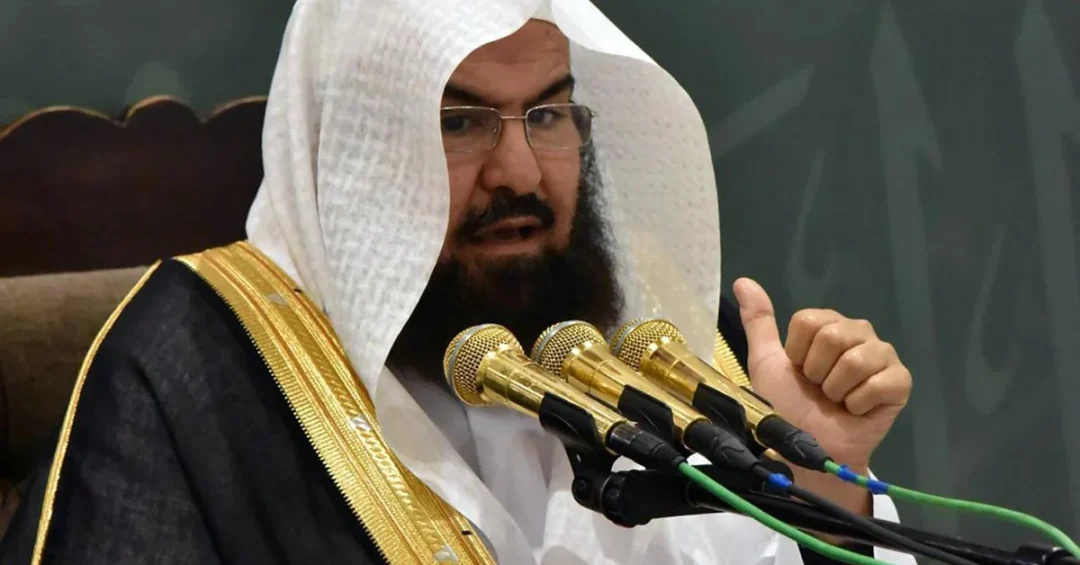
The Presidency of Religious Affairs of the Grand Mosque and the Prophet’s Mosque has launched a new initiative to involve the esteemed Imams of the Two Holy Mosques in the Fatwa Chair, aiming to enrich the experience of pilgrims during the 1445 AH Hajj season. The initiative, announced by Sheikh Dr. Abdulrahman Al-Sudais, President of Religious Affairs of the Grand Mosque and the Prophet’s Mosque, will see the Imams receiving and answering questions related to Hajj and visiting the Prophet’s Mosque, based on evidence from the Holy Quran and Sunnah. This move is part of ongoing efforts to serve pilgrims and elevate the religious message of the Two Holy Mosques globally.
Context and Background
The launch of this initiative coincides with the arrival of pilgrims for the 1445 AH Hajj season, one of the largest annual gatherings of Muslims worldwide. The Fatwa Chair is a dedicated platform within the Presidency of Religious Affairs that provides authoritative religious guidance. By involving the Imams of the Two Holy Mosques—respected scholars who lead prayers at Islam’s holiest sites—the initiative seeks to expand their roles beyond leading prayers to directly engaging with pilgrims’ inquiries. This aligns with the Kingdom’s longstanding commitment to facilitating the spiritual journey of millions of visitors each year.
Key Details
Under the directive of Sheikh Dr. Abdulrahman Al-Sudais, the Imams will participate in scholarly chairs, scientific lessons, and the issuance of fatwas, addressing a wide range of questions from pilgrims. The initiative emphasizes the moderate religious message of the Imams, ensuring that answers are rooted in the Holy Quran and Sunnah. According to Sheikh Dr. Al-Sudais, the wise leadership’s directives encourage exerting efforts to serve pilgrims and utilize all resources to facilitate their rituals. The program also aims to clarify the rituals of Hajj and Umrah, as well as the etiquette of visiting the Prophet’s Mosque, thereby enriching the overall experience for pilgrims and visitors.
Implications and Impact
This initiative is expected to have a significant impact on the pilgrimage experience, providing pilgrims with direct access to knowledgeable scholars who can address their religious queries with authority. It also reinforces Saudi Arabia’s role as the custodian of the Two Holy Mosques, demonstrating the Kingdom’s dedication to serving Islam and Muslims globally. By expanding the Imams’ roles, the initiative enhances the spiritual and educational dimensions of the Hajj journey, ensuring that pilgrims can perform their rituals with confidence and understanding. Furthermore, it showcases the Kingdom’s continuous efforts to improve services and facilities for the increasing number of pilgrims each year.
Vision 2030 Alignment
This initiative is closely aligned with Saudi Arabia’s Vision 2030, which seeks to enhance the quality of services provided to pilgrims and visitors, in line with the Kingdom’s commitment to hosting an increasing number of Umrah and Hajj performers. By leveraging the expertise of the Imams and modernizing religious outreach, the Kingdom aims to enrich the spiritual experience while showcasing its capacity for innovation and hospitality. This step further solidifies Saudi Arabia’s leading role in the Islamic world and its dedication to serving the guests of God.
20 Questions
Q1. What is the Fatwa Chair initiative launched by the Presidency of Religious Affairs?
A1. The Fatwa Chair initiative involves the Imams of the Two Holy Mosques answering pilgrims’ questions on Hajj and visiting the Prophet’s Mosque, based on the Holy Quran and Sunnah, to enrich their spiritual experience.
Q2. Who launched the initiative involving the Imams of the Two Holy Mosques?
A2. Sheikh Dr. Abdulrahman Al-Sudais, President of Religious Affairs of the Grand Mosque and the Prophet’s Mosque, launched the initiative at the Prophet’s Mosque in Madinah.
Q3. When did the initiative coincide with?
A3. The initiative coincided with the arrival of pilgrims for the 1445 AH Hajj season, which is the fifth pillar of Islam, to perform their religious duties in the holy sites.
Q4. What is the main goal of this initiative?
A4. The main goal is to enrich the experience of pilgrims, enhance programs for answering inquiries, and activate the moderate religious message of the Imams beyond the mihrab and pulpit.
Q5. How will the Imams of the Two Holy Mosques participate?
A5. They will participate in scholarly chairs, scientific lessons, issuing fatwas, and answering religious inquiries related to Hajj and Umrah, as well as the etiquette of visiting the Prophet’s Mosque.
Q6. What did Sheikh Dr. Al-Sudais emphasize about the leadership’s directives?
A6. He emphasized that the wise leadership’s directives encourage exerting efforts, raising morale, and dedicating oneself to elevating and spreading the religious message of the Two Holy Mosques worldwide.
Q7. How does the initiative aim to serve pilgrims?
A7. The initiative aims to serve pilgrims by utilizing all resources to facilitate the performance of their rituals and by providing authoritative answers to their religious questions.
Q8. What is the significance of expanding the Imams’ roles?
A8. Expanding their roles from the mihrab and pulpit to include scholarly chairs and fatwas deepens the religious message and enriches the pilgrims’ experience by clarifying rituals and etiquettes.
Q9. Where did the launch of the initiative take place?
A9. The initiative was launched at the Prophet’s Mosque in Madinah, where the Imams will receive and answer questions related to Hajj and visiting the mosque.
Q10. What is the Fatwa Chair?
A10. The Fatwa Chair is a platform within the Presidency of Religious Affairs that provides authoritative religious guidance and fatwas based on Islamic jurisprudence to pilgrims and visitors.
Q11. How does this initiative reflect Saudi Arabia’s commitment to Islam?
A11. It reflects the Kingdom’s dedication to serving Islam and Muslims by facilitating pilgrims’ rituals and spreading the moderate religious message of the Two Holy Mosques globally.
Q12. What role do the Imams play in the initiative?
A12. The Imams play a key role by directly engaging with pilgrims, answering their inquiries, and providing scholarly guidance rooted in the Holy Quran and Sunnah.
Q13. How does the initiative enhance the pilgrims’ experience?
A13. It enhances their experience by clarifying the rituals of Hajj and Umrah, offering etiquette for visiting the Prophet’s Mosque, and providing direct access to knowledgeable scholars.
Q14. What is the significance of the 1445 AH Hajj season?
A14. The 1445 AH Hajj season is significant as it marks the annual pilgrimage where millions of Muslims gather to perform the fifth pillar of Islam in Mecca and Madinah.
Q15. How does the initiative align with Vision 2030?
A15. It aligns with Vision 2030 by enhancing services for pilgrims, showcasing innovation in religious outreach, and supporting the Kingdom’s goal to host more Umrah and Hajj performers.
Q16. What did Sheikh Dr. Al-Sudais say about the religious message of the Imams?
A16. He indicated that deepening the religious message and expanding the Imams’ roles to include scholarly chairs and fatwas is central to achieving the initiative’s goals.
Q17. How will the initiative answer inquiries?
A17. The initiative will answer inquiries through the Imams’ participation in fatwa issuance, scientific lessons, and direct engagement with pilgrims, ensuring answers are based on Islamic evidence.
Q18. What is the expected impact on pilgrims?
A18. The expected impact is a more enriching and informed pilgrimage experience, with pilgrims gaining clarity on rituals and spiritual matters from respected Imams.
Q19. How does the initiative reflect the Kingdom’s leadership?
A19. It reflects the leadership’s commitment to serving pilgrims and spreading the moderate religious message, in line with the directives of the wise leadership to facilitate rituals.
Q20. What does the initiative signify for the future of Hajj services?
A20. It signifies a continuous effort to improve and innovate Hajj services, ensuring that pilgrims receive the highest level of spiritual and logistical support in line with Saudi Arabia’s Vision 2030.
Reader Feedback
We value your thoughts. Please share your feedback on this article.
Your feedback helps us improve our coverage.