


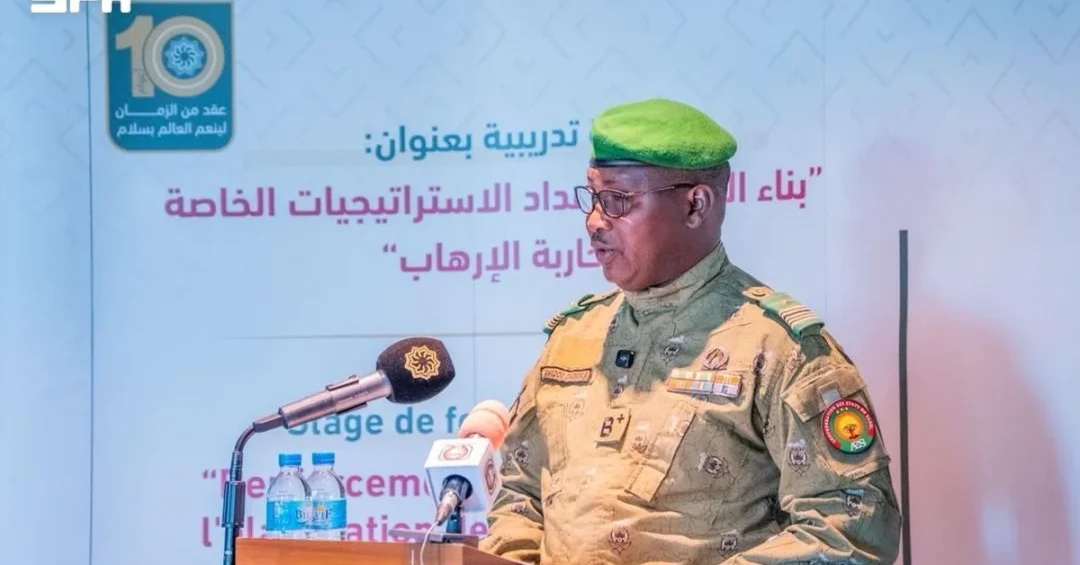
The Islamic Military Counter Terrorism Coalition (IMCTC) launched a five-day capacity-building training program in Niamey, Niger, on Monday, November 2, 2026, as part of its Sahel Countries Program focused on the military domain. The initiative, announced via the Saudi Press Agency (SPA), brings together 28 trainees from various military and security sectors in Niger and runs until November 6. It represents a concrete step in the coalition’s ongoing efforts to strengthen counterterrorism capabilities among its member states and partners across the Sahel region.
Have you ever considered how international cooperation can effectively address the complex security challenges facing the Sahel? The IMCTC’s program in Niger underscores the importance of coordinated action and knowledge sharing in the fight against terrorism. By investing in the skills and expertise of local personnel, the coalition aims to build sustainable security frameworks that can withstand evolving threats. This initiative not only enhances Niger’s defense capabilities but also reinforces the broader regional stability that is essential for economic development and social progress.
Context and Background
What is the Islamic Military Counter Terrorism Coalition, and why is it active in the Sahel? Established in 2015 and headquartered in Riyadh, Saudi Arabia, the IMCTC is a 41-member coalition of Muslim-majority countries committed to countering terrorism and violent extremism. It operates across four domains: military, intellectual, media, and counter-terrorism financing. The coalition’s Sahel Countries Program is specifically designed to address the unique security challenges in the Sahel, a region that has faced persistent threats from terrorist groups and armed insurgents. Niger, as a key partner, has been a focus of IMCTC’s capacity-building efforts, reflecting the coalition’s strategy of empowering local forces to lead their own security operations.
The Sahel region has long been a focal point for international counterterrorism efforts due to its vast ungoverned spaces and porous borders. Terrorist organizations have exploited these conditions to establish footholds, threatening not only local populations but also regional and global security. The IMCTC’s military-domain training in Niger is part of a broader effort to enhance the operational readiness of Nigerien forces and improve coordination among security agencies. By targeting mid-level officers and specialists, the program aims to create a multiplier effect, where trained personnel can pass on their knowledge to colleagues and contribute to more effective counterterrorism strategies.
How does the IMCTC’s approach differ from other international counterterrorism initiatives? The coalition emphasizes a holistic strategy that combines military, ideological, and financial measures. In Niger, the current program focuses on the military domain, but it is integrated into a larger framework that includes efforts to counter extremist narratives and disrupt terrorist financing. This comprehensive approach is rooted in the belief that sustainable security requires addressing the root causes of terrorism, not just its symptoms. The training program thus equips participants with the analytical tools to understand terrorist threats, assess risks, and develop strategies that go beyond kinetic operations.
Key Details of the Training Program
What exactly does the five-day training entail, and who are the participants? According to SPA, the program brings together 28 trainees from various military and security sectors in Niger. It aims to enhance their military, security, and technical capabilities while deepening their understanding of the theoretical and strategic dimensions of counterterrorism. The curriculum is designed to equip participants with the knowledge and tools needed to analyze terrorist threats, assess risks, and develop comprehensive strategies to address various security challenges. The training runs from November 2 to November 6, 2026, in Niamey.
At the launch ceremony, Colonel-Major Amadou Daouda Adamou, Director of Health and Social Action at Niger’s Ministry of National Defense, delivered a speech highlighting the importance of the program. He emphasized its role in strengthening personnel’s ability to confront terrorist threats and noted that the participation of trainees from various security and defense sectors would help develop their technical and professional skills and contribute to consolidating security and stability. His remarks underscore the Nigerien government’s commitment to working with international partners to enhance its counterterrorism capabilities.
The program is part of IMCTC’s ongoing efforts to support member states, develop the capabilities of their national personnel, and strengthen integration and coordination in counterterrorism-related fields. By focusing on the military domain, the coalition addresses the immediate operational needs of Niger’s security forces while also building long-term capacity. The training includes modules on threat analysis, risk assessment, and strategy development, all tailored to the specific context of the Sahel. This targeted approach ensures that participants can apply their learning directly to the challenges they face on the ground.
International and Regional Impact
How does this training program contribute to regional security and international counterterrorism efforts? The Sahel region’s stability is critical not only for its own countries but also for broader international security. Terrorist groups operating in the Sahel have been linked to global terrorist networks, and their activities threaten to destabilize neighboring regions. By enhancing Niger’s counterterrorism capabilities, the IMCTC is helping to create a bulwark against the spread of extremism. This aligns with the objectives of other international initiatives, such as the G5 Sahel Joint Force and United Nations peacekeeping operations, which also seek to improve security in the region.
The program also strengthens the relationship between Saudi Arabia and Niger, as well as with other Sahelian countries. Saudi Arabia, through the IMCTC, is demonstrating its commitment to global security and its willingness to take a leading role in counterterrorism. This is consistent with the Kingdom’s broader foreign policy objectives, which include promoting peace, stability, and cooperation among Muslim-majority countries. The training program is a tangible example of how Saudi Arabia is using its resources and influence to address shared security challenges.
What message does this send to other countries in the region? The IMCTC’s engagement in Niger signals that the coalition is willing to invest in long-term capacity building rather than just short-term military interventions. This approach is likely to be welcomed by Sahelian governments, which have often called for more support in developing their own security forces. By working closely with Niger’s Ministry of National Defense, the IMCTC is also fostering a sense of ownership and partnership, which is essential for the sustainability of any security initiative.
Economic and Strategic Significance
Why is security in the Sahel important for economic development and global trade? The Sahel is rich in natural resources, including minerals, oil, and gas, and has the potential to become a significant economic hub. However, insecurity has hindered investment and development. By improving security, the IMCTC’s program helps create an environment conducive to economic growth. Stable and secure countries are better able to attract foreign investment, develop infrastructure, and participate in regional trade. This, in turn, can lead to job creation and improved livelihoods for local populations, addressing some of the root causes of radicalization.
For Saudi Arabia, supporting stability in the Sahel is also strategically important. The Kingdom has invested in various African countries through its Vision 2030 diversification strategy, which seeks to expand economic partnerships beyond traditional markets. A stable Sahel opens up opportunities for Saudi businesses and investors in sectors such as agriculture, mining, and renewable energy. Moreover, by taking a proactive role in counterterrorism, Saudi Arabia enhances its standing as a responsible global actor and a key partner in international security efforts.
The training program also has implications for global energy security. The Sahel is home to important energy infrastructure, and instability can disrupt production and transit. By helping to secure the region, the IMCTC contributes to the uninterrupted flow of energy resources to international markets. This benefits not only the Sahelian countries but also the global economy, which relies on stable energy supplies.
Vision 2030 Alignment
How does the IMCTC’s work in Niger align with Saudi Arabia’s Vision 2030? Vision 2030 is the Kingdom’s comprehensive plan to diversify its economy, enhance its global engagement, and promote moderate Islam. The IMCTC, as a Saudi-led initiative, embodies these principles by fostering international cooperation, countering extremism, and supporting stability in Muslim-majority countries. The training program in Niger is a direct manifestation of Vision 2030’s goal to position Saudi Arabia as a leader in global security and development.
Furthermore, the program reflects the Vision’s emphasis on building partnerships and sharing expertise. By investing in the capabilities of Nigerien security personnel, Saudi Arabia is not only helping a partner nation but also strengthening the collective security architecture of the region. This is consistent with the Vision’s objective of creating a more secure and prosperous world, where countries work together to address common challenges. As the IMCTC continues its efforts in the Sahel and beyond, it will remain a key instrument of Saudi Arabia’s foreign policy and a testament to the Kingdom’s commitment to peace and stability.
In conclusion, the Islamic Military Counter Terrorism Coalition’s military-sector training program in Niger represents a significant step forward in the fight against terrorism in the Sahel. By empowering local forces and fostering international cooperation, the initiative contributes to regional stability and aligns with Saudi Arabia’s Vision 2030. As the program unfolds, it will undoubtedly enhance the skills of Nigerien personnel and reinforce the bonds between Saudi Arabia and its partners in Africa. The world watches as these efforts bear fruit, hopeful that they will lead to a safer and more prosperous future for all.
20 Questions
Q1. What is the Islamic Military Counter Terrorism Coalition (IMCTC)?
A1. The IMCTC is a 41-member coalition of Muslim-majority countries, headquartered in Riyadh, Saudi Arabia, established in 2015 to counter terrorism and violent extremism across military, intellectual, media, and financing domains.
Q2. When and where did the IMCTC launch its training program in Niger?
A2. The program was launched on Monday, November 2, 2026, in Niamey, Niger, and runs until November 6, 2026, as part of the IMCTC’s Sahel Countries Program.
Q3. How many trainees are participating in the program?
A3. The program brings together 28 trainees from various military and security sectors in Niger, selected to enhance their counterterrorism skills and knowledge.
Q4. What is the main objective of the training program?
A4. The program aims to enhance participants’ military, security, and technical capabilities, deepen their understanding of counterterrorism strategies, and equip them with tools to analyze threats and assess risks.
Q5. Who spoke at the launch of the program?
A5. Colonel-Major Amadou Daouda Adamou, Director of Health and Social Action at Niger’s Ministry of National Defense, delivered a speech highlighting the program’s importance in strengthening personnel’s ability to confront terrorist threats.
Q6. What did Colonel-Major Adamou emphasize in his speech?
A6. He emphasized that the participation of trainees from various security and defense sectors would help develop their technical and professional skills and contribute to consolidating security and stability in Niger.
Q7. What is the Sahel Countries Program?
A7. The Sahel Countries Program is an IMCTC initiative focused on the military domain, designed to build the capacity of specialists in Sahelian countries to develop effective counterterrorism strategies.
Q8. Why is the Sahel region important for counterterrorism efforts?
A8. The Sahel faces persistent threats from terrorist groups due to vast ungoverned spaces and porous borders, making it a critical region for international counterterrorism cooperation and capacity building.
Q9. How does this program fit into IMCTC’s broader strategy?
A9. It is part of IMCTC’s ongoing efforts to support member states, develop national personnel capabilities, and strengthen integration and coordination in counterterrorism-related fields.
Q10. What are the four domains of IMCTC’s work?
A10. The four domains are military, intellectual, media, and counter-terrorism financing, reflecting a comprehensive approach to combating terrorism and violent extremism.
Q11. How does the training program benefit Niger’s security forces?
A11. It enhances their operational readiness, technical skills, and strategic understanding, enabling them to better analyze threats, assess risks, and develop effective counterterrorism strategies.
Q12. What is the significance of the program for regional stability?
A12. By strengthening Niger’s counterterrorism capabilities, the program contributes to regional stability, helping to prevent the spread of extremism and creating a safer environment for economic development.
Q13. How does Saudi Arabia’s involvement in the IMCTC align with its foreign policy?
A13. Saudi Arabia’s leadership in the IMCTC reflects its commitment to global security, moderate Islam, and cooperation among Muslim-majority countries, consistent with its Vision 2030 goals.
Q14. What economic benefits could result from improved security in the Sahel?
A14. Improved security can attract foreign investment, develop infrastructure, boost regional trade, and create jobs, addressing root causes of radicalization and promoting prosperity.
Q15. How does the program support Saudi Arabia’s Vision 2030?
A15. It aligns with Vision 2030 by promoting international cooperation, countering extremism, and positioning Saudi Arabia as a leader in global security and development.
Q16. What is the duration of the training program?
A16. The program is a five-day training course, running from November 2 to November 6, 2026, in Niamey, Niger.
Q17. What kind of skills will participants gain from the training?
A17. Participants will gain skills in threat analysis, risk assessment, strategy development, and technical counterterrorism operations, tailored to the Sahel context.
Q18. How does the IMCTC coordinate with other international efforts in the Sahel?
A18. The IMCTC works alongside initiatives like the G5 Sahel Joint Force and UN peacekeeping operations, complementing their efforts through capacity building and knowledge sharing.
Q19. What message does this program send to other countries in the region?
A19. It signals the IMCTC’s commitment to long-term capacity building and partnership, encouraging other Sahelian countries to engage in similar cooperative security efforts.
Q20. What is the expected outcome of the training program?
A20. The expected outcome is enhanced counterterrorism capabilities for Niger’s security forces, improved regional stability, and strengthened ties between Saudi Arabia and Niger, contributing to global security.
Reader Feedback
We value your thoughts. Please share your feedback on this article.
Your feedback helps us improve our coverage.
Related articles
 KSrelief Delivers Safe Water to 3,480 in Yemen’s Taiz
 National Center for Meteorology Forecasts Moderate to Heavy Rain Across Nine Saudi Regions
 Fifth Edition of Future of Non-Profit Sector Forum Opens in Riyadh
 GAMI Governor Visits SAIS Headquarters in Riyadh
 Saudi Ambassador to Lebanon Receives Lebanese MP
 Environment Fund Launches Environmental Media Training Program