


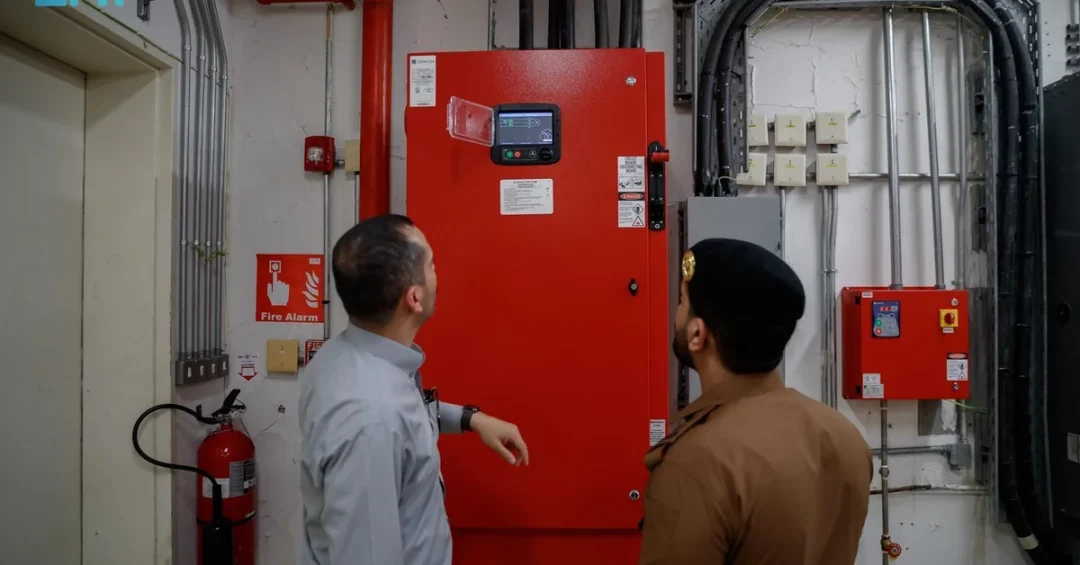
The Industrial Security Commission (ISC) of Saudi Arabia has conducted a follow-up visit to review preparations for the security and safety of the Mashaer Train. This inspection, carried out in coordination with relevant government entities, underscores the Kingdom’s commitment to ensuring the highest standards of safety for pilgrims and visitors during the upcoming Hajj season. The Mashaer Train, a key infrastructure project under the Ministry of Municipal and Rural Affairs and Housing, plays a vital role in transporting hundreds of thousands of pilgrims between the holy sites of Mina, Muzdalifah, and Arafat.
Context and Background
The Mashaer Train, also known as the Makkah Mass Rail Transit, is a dedicated rail network designed to ease congestion and improve the mobility of pilgrims during the Hajj pilgrimage. Launched as part of broader initiatives to modernize and enhance the pilgrim experience, the train system has become an integral component of Saudi Arabia’s strategy to accommodate the growing number of visitors to the holy sites. The Industrial Security Commission, operating under the Ministry of Interior, is responsible for overseeing security protocols and safety measures across critical infrastructure, including transportation systems. This latest follow-up is part of an ongoing effort to ensure that all operational and security systems are fully prepared for the busy Hajj season, when the train carries millions of passengers over a short period.
Key Details of the Follow-Up
During the inspection, the ISC team evaluated a range of security and safety measures, including surveillance systems, emergency response protocols, and crowd management strategies. The commission coordinated with operators of the Mashaer Train and other stakeholders, such as the General Directorate of Civil Defense and the Ministry of Transport and Logistic Services, to verify that all procedures align with national standards. Officials emphasized the importance of real-time monitoring and rapid intervention capabilities to prevent incidents and ensure passenger safety. The visit also included a review of maintenance logs and training records for staff, reflecting a comprehensive approach to risk management. According to the Saudi Press Agency (SPA), the commission confirmed that preparations are proceeding according to schedule, with all systems functioning at optimal levels.
Implications for Hajj and Pilgrim Safety
The follow-up by the Industrial Security Commission highlights Saudi Arabia’s proactive stance on safety and security, particularly during the Hajj season, which draws millions of pilgrims from around the world. By rigorously inspecting the Mashaer Train, the Kingdom aims to minimize risks associated with high-density transportation, such as overcrowding, technical failures, or security threats. This initiative is part of a larger framework of safety regulations that govern all aspects of the Hajj, from accommodation to transportation. Enhanced safety measures not only protect pilgrims but also boost international confidence in Saudi Arabia’s ability to manage large-scale events, reinforcing its position as a global leader in Islamic hospitality and pilgrimage management.
Vision 2030 Alignment
These safety efforts directly align with Saudi Arabia’s Vision 2030, which seeks to improve the quality of life for citizens and residents while enhancing services for pilgrims. By ensuring the security and efficiency of the Mashaer Train, the Kingdom is investing in world-class infrastructure that supports the goal of welcoming 30 million Umrah pilgrims annually by 2030. The continuous monitoring and upgrading of safety protocols also reflect a commitment to operational excellence, a key pillar of the vision. As Saudi Arabia modernizes its economy and society, projects like the Mashaer Train demonstrate how traditional religious obligations can be integrated with cutting-edge technology and safety standards to create a seamless, secure experience for all visitors.
Reader Feedback
We value your thoughts. Please share your feedback on this article.
Your feedback helps us improve our coverage.