


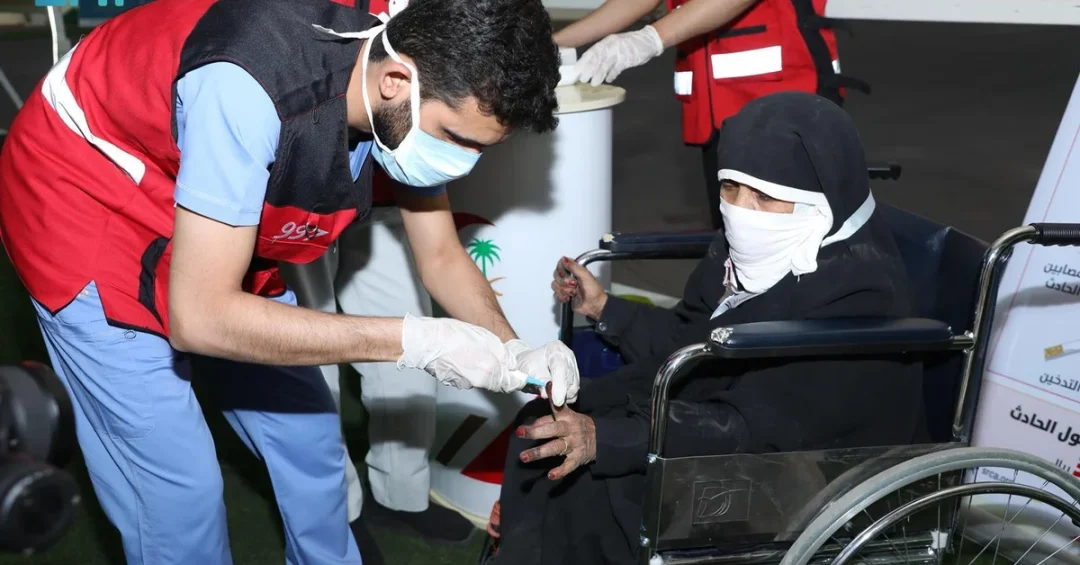
Al-Wadiah Port, June 5, 2024 — A comprehensive, integrated service system is actively receiving Yemeni pilgrims arriving in the Kingdom of Saudi Arabia through Al-Wadiah Port and Pilgrims City, ensuring a smooth and dignified entry for those performing Hajj this year, 1445 AH. Government, private, and volunteer organizations are working around the clock to facilitate entry procedures, reflecting the Kingdom’s unwavering commitment to serving the guests of God, as reported by the Saudi Press Agency (SPA).
Context and Background
Al-Wadiah Port, located in the Najran region, serves as a key entry point for pilgrims coming from the Republic of Yemen. Under the directives of the Custodian of the Two Holy Mosques, King Salman bin Abdulaziz Al Saud, and His Royal Highness Crown Prince Mohammed bin Salman bin Abdulaziz Al Saud, Saudi authorities have mobilized all resources to ensure that pilgrims can perform their rituals with ease, simplicity, and peace of mind. This effort aligns with the Kingdom’s historic role as the host of the Two Holy Mosques and its commitment to Vision 2030, which emphasizes enhancing the quality of services for pilgrims and visitors.
Key Details
The region’s health department is providing comprehensive health and preventive services, including medical examinations, immunization against epidemic diseases, and necessary medicines and vaccines. Educational publications on health practices during Hajj are also distributed, and highly equipped ambulances are on standby. The Najran branch of the General Directorate of Passports has streamlined entry procedures, enabling pilgrims to cross in record time. The port’s customs authority has prepared special tracks for pilgrim transport buses, giving them priority and increasing operational capacity.
The Saudi Red Crescent Authority (SRCA) in Najran is offering medical emergency services and first aid awareness materials, with heightened readiness in centers leading to Makkah. The Ministry of Islamic Affairs, Dawah, and Guidance’s branch in the region is guiding pilgrims on the conditions and etiquette of Hajj, answering inquiries, and distributing brochures, including information about the ‘Rushd’ application. The Commission for the Promotion of Virtue and the Prevention of Vice (CPVPV) has set up an educational exhibition in the pilgrims’ rest area, while Highway Security Special Forces accompany pilgrim buses from Al-Wadiah Port to the rest area until they exit the region at Sultanah Center.
Volunteers are providing 24/7 humanitarian services, distributing meals and assisting the elderly and sick, driven by a sense of national and community responsibility. Yemeni pilgrims have expressed deep gratitude to the Saudi leadership for the warm reception and generous hospitality, noting that the excellent organization and professional work contributed to completing their entry procedures quickly and comfortably.
Implications and Impact
This integrated service system underscores Saudi Arabia’s logistical and humanitarian capabilities in managing large-scale pilgrim flows. It enhances the Kingdom’s reputation as a reliable and compassionate host, reinforcing its role as a global leader in pilgrimage management. The efficient handling of pilgrims at Al-Wadiah Port also strengthens bilateral ties with Yemen, demonstrating Saudi Arabia’s commitment to supporting its neighbors and facilitating religious duties for all Muslims.
Vision 2030 Alignment
This initiative is a direct reflection of Saudi Vision 2030’s goals to elevate the pilgrimage experience, improve public services, and showcase the Kingdom’s organizational excellence. By investing in infrastructure and human resources at entry points like Al-Wadiah, Saudi Arabia continues to set benchmarks in hospitality and service delivery, ensuring that pilgrims from around the world can perform their rituals with comfort and spiritual fulfillment.
20 Questions
Q1. What is Al-Wadiah Port?
A1. Al-Wadiah Port is a key border crossing in the Najran region of Saudi Arabia, serving as a primary entry point for pilgrims traveling from Yemen to perform Hajj in the Kingdom.
Q2. Which year’s Hajj are the Yemeni pilgrims arriving for?
A2. The Yemeni pilgrims are arriving to perform Hajj for the year 1445 AH, as part of the annual pilgrimage season managed by Saudi authorities.
Q3. What government agencies are involved in receiving pilgrims at Al-Wadiah?
A3. Agencies include the health department, General Directorate of Passports, customs, Saudi Red Crescent Authority, Ministry of Islamic Affairs, CPVPV, and Highway Security Special Forces, among others.
Q4. How does the health department assist pilgrims?
A4. The health department provides medical examinations, immunizations, treatment, medicines, vaccines, and educational materials on health practices, along with equipped ambulances.
Q5. What role does the General Directorate of Passports play?
A5. The passports directorate facilitates entry procedures, ensuring pilgrims cross the border in record time without delays, streamlining the processing of their documents.
Q6. How does customs support pilgrim entry?
A6. Customs prepares special tracks for pilgrim buses, gives them priority in entry procedures, and raises the port’s operational capacity to receive and process pilgrims efficiently.
Q7. What services does the Saudi Red Crescent Authority provide?
A7. It offers medical emergency services, first aid awareness materials, and maintains high readiness in centers leading to Makkah to provide emergency care.
Q8. What is the role of the Ministry of Islamic Affairs?
A8. The ministry guides pilgrims on Hajj conditions and etiquette, answers inquiries, distributes brochures, and promotes the ‘Rushd’ application for religious guidance.
Q9. How does the CPVPV contribute?
A9. The CPVPV distributes educational publications and sets up an integrated educational and awareness exhibition in the pilgrims’ rest area to promote virtuous practices.
Q10. What is the function of Highway Security Special Forces?
A10. They accompany pilgrim buses from Al-Wadiah Port to the rest area until they exit the Najran region at Sultanah Center, ensuring safety and order.
Q11. How do volunteers help?
A11. Volunteers provide 24/7 humanitarian services, including distributing meals and assisting the elderly and sick, reflecting national and community responsibility.
Q12. What did the Yemeni pilgrims express?
A12. They expressed gratitude to the Saudi leadership for the warm reception and generous hospitality, praising the excellent organization and quick entry procedures.
Q13. Why is Al-Wadiah Port important for Yemeni pilgrims?
A13. It is a main crossing point, enabling Yemeni pilgrims to enter Saudi Arabia conveniently and swiftly to perform Hajj rituals in Makkah and Madinah.
Q14. What is the ‘Rushd’ application?
A14. The ‘Rushd’ application, provided by the Ministry of Islamic Affairs, offers guidance and information to pilgrims about Hajj rituals and related services.
Q15. How does Saudi Arabia ensure pilgrims’ comfort?
A15. Through coordinated efforts of multiple agencies, 24/7 operations, health services, efficient processing, and volunteer support, Saudi Arabia ensures a smooth and comfortable pilgrimage experience.
Q16. What is the significance of this reception system?
A16. It demonstrates Saudi Arabia’s logistical capabilities, humanitarian commitment, and dedication to serving pilgrims, enhancing its global reputation as a host of the Two Holy Mosques.
Q17. How does this align with Vision 2030?
A17. It aligns with Vision 2030’s goals to improve pilgrimage services, enhance infrastructure, and showcase Saudi organizational excellence, ensuring a fulfilling experience for pilgrims.
Q18. What amenities are available at Pilgrims City?
A18. Pilgrims City at Al-Wadiah offers rest areas, medical services, educational exhibitions, and volunteer assistance, providing a comprehensive support system for pilgrims.
Q19. How do Saudi efforts impact bilateral relations with Yemen?
A19. By facilitating Yemeni pilgrims, Saudi Arabia strengthens ties with Yemen, demonstrating neighborly support and shared Islamic solidarity, fostering goodwill and cooperation.
Q20. What is the overall goal of these efforts?
A20. The goal is to enable pilgrims to perform Hajj with ease, simplicity, and peace of mind, reflecting Saudi Arabia’s commitment to serving the guests of God and upholding its religious responsibilities.
Reader Feedback
We value your thoughts. Please share your feedback on this article.
Your feedback helps us improve our coverage.