


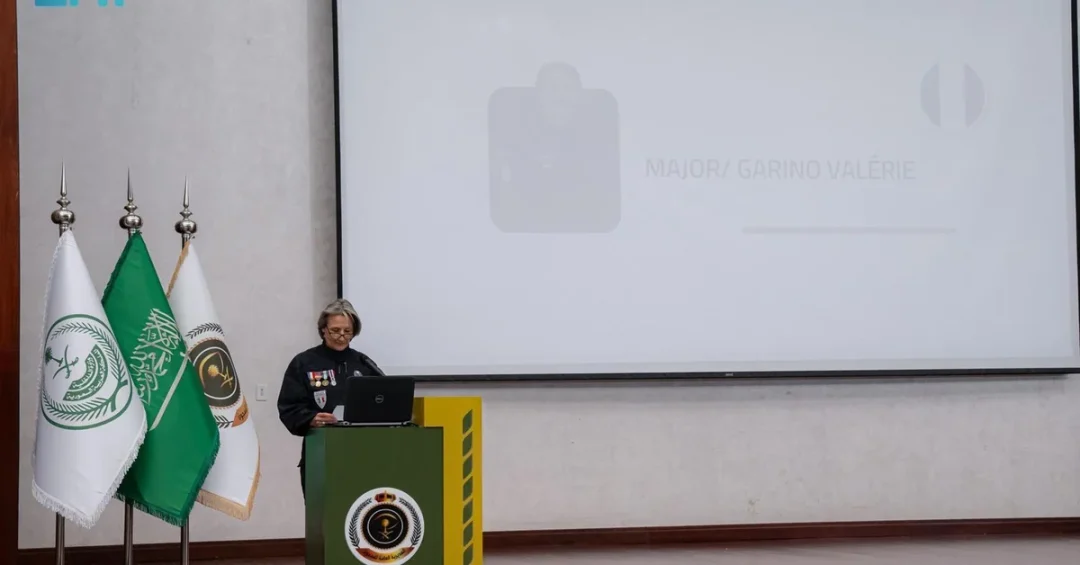
The Saudi Ministry of Interior, in collaboration with the French National Police, has launched a specialized training program for female security personnel at the Women’s Capacity Training Development Center in Riyadh. The initiative, announced on April 25, 2025, via the Saudi Press Agency (SPA), forms part of the Kingdom’s broader international partnership efforts to enhance the technical and security skills of women across various departments. The program underscores Saudi Arabia’s commitment to empowering women in security roles and aligns with the ambitious goals of Vision 2030.
Have you ever wondered how international cooperation can elevate the capabilities of a nation’s security forces? This partnership between Saudi Arabia and France exemplifies how shared expertise can drive meaningful progress. By equipping female trainees with advanced skills, the program not only strengthens the Ministry of Interior’s operational readiness but also highlights the Kingdom’s dedication to fostering gender inclusivity in critical sectors. As Saudi Arabia continues its transformative journey, such collaborations are pivotal in building a resilient and modern security apparatus that meets global standards.
Context and Background
Why is this training program significant in the context of Saudi Arabia’s ongoing reforms? The Ministry of Interior has long been at the forefront of implementing initiatives that support the Kingdom’s Vision 2030, which aims to diversify the economy and empower women across all spheres of life. The collaboration with the French National Police is part of a series of international partnerships designed to bring world-class expertise to Saudi security institutions. The Women’s Capacity Training Development Center, under the General Directorate of Prisons, serves as a hub for nurturing female talent, reflecting the Kingdom’s commitment to gender equality and professional development.
The program specifically targets female trainees from various departments within the Ministry of Interior, providing them with advanced technical and security skills. This focus on specialized training is crucial as Saudi Arabia expands the role of women in security and law enforcement. By partnering with a respected international force like the French National Police, the Ministry of Interior ensures that its personnel receive training that meets global best practices. This initiative also builds on previous successful collaborations, such as joint exercises and knowledge exchange programs, further solidifying the bilateral relationship between Saudi Arabia and France.
How does this program fit into the broader landscape of Saudi-French relations? The two countries have a history of cooperation in security and defense, with France being a key partner in supporting Saudi Arabia’s efforts to combat terrorism and enhance regional stability. This training program adds a new dimension to that partnership by focusing on capacity building for women, a priority area under Vision 2030. It also reflects the Kingdom’s proactive approach to international engagement, seeking out expertise from allies to accelerate its development goals. As Saudi Arabia continues to open up to the world, such collaborations are essential for fostering mutual understanding and shared security objectives.
Key Details
What exactly does the training program entail? According to the Saudi Press Agency, the program is being conducted at the Women’s Capacity Training Development Center within the General Directorate of Prisons. It aims to equip female trainees with advanced technical and security skills, preparing them for leadership roles within the Ministry of Interior. The training covers a range of topics, including modern security techniques, crisis management, and the use of advanced technology in law enforcement. By focusing on these areas, the program ensures that participants are well-prepared to address contemporary security challenges.
The collaboration with the French National Police brings a wealth of experience to the table. French police are renowned for their expertise in public safety, counterterrorism, and community policing. Their involvement in this program allows Saudi trainees to learn from some of the best in the field, gaining insights that can be directly applied to their work. The program also includes practical exercises and simulations, enabling participants to hone their skills in realistic scenarios. This hands-on approach is designed to build confidence and competence, ensuring that graduates are ready to take on increased responsibilities.
Who are the beneficiaries of this initiative? The program targets female trainees from different departments of the Ministry of Interior, including prisons, police, and other security agencies. By selecting participants from diverse backgrounds, the Ministry ensures a broad impact across its operations. These women are not only gaining individual skills but also becoming ambassadors for change within their respective units, promoting a culture of excellence and inclusivity. As they return to their roles, they will share their knowledge with colleagues, multiplying the benefits of the training and contributing to the overall enhancement of the Ministry’s capabilities.
International and Regional Impact
How does this program resonate beyond Saudi Arabia’s borders? The partnership between the Ministry of Interior and the French National Police sends a powerful message about the Kingdom’s commitment to international cooperation and women’s empowerment. It demonstrates that Saudi Arabia is a reliable partner in global security efforts, willing to invest in its human capital to meet shared challenges. For France, the collaboration strengthens its ties with a key ally in the Middle East, fostering goodwill and mutual trust. This initiative also sets a precedent for other nations, showing how targeted training programs can advance both security and gender equality.
What are the regional implications? In the Middle East, where security threats are complex and ever-evolving, having well-trained female personnel is increasingly important. Saudi Arabia’s investment in this area positions it as a leader in the region, promoting stability and modernization. Neighboring countries may look to the Kingdom’s model as they seek to enhance their own security sectors. Moreover, the program contributes to the broader goal of regional peace and cooperation, as stronger, more capable security forces can better address common challenges such as terrorism and organized crime. By sharing expertise with international partners, Saudi Arabia is helping to build a more secure and prosperous region.
Economic and Strategic Significance
Why does this training program matter economically and strategically? Investing in the skills of female security personnel is an investment in the nation’s future. As Saudi Arabia diversifies its economy under Vision 2030, a well-trained and inclusive workforce becomes essential. Women represent a growing segment of the labor market, and their increased participation in security roles contributes to economic growth and social development. The program also enhances the efficiency and effectiveness of the Ministry of Interior, which is crucial for maintaining a safe environment that attracts investment and tourism.
From a strategic perspective, the collaboration with France strengthens Saudi Arabia’s defense and security partnerships. In a rapidly changing geopolitical landscape, having strong alliances is vital. This program not only improves operational capabilities but also deepens diplomatic ties. It aligns with the Kingdom’s broader strategy of engaging with international partners to exchange knowledge and best practices. As Saudi Arabia continues to play a leading role in global affairs, such initiatives reinforce its position as a responsible and forward-looking nation. The training also supports the goal of localizing expertise, reducing reliance on foreign personnel in the long term.
Vision 2030 Alignment
How does this initiative align with Vision 2030? Vision 2030 aims to increase women’s participation in the workforce from 22% to 30% and to empower them across all sectors. This training program directly supports that goal by providing women with the skills and opportunities to excel in security roles, a field traditionally dominated by men. It also reflects the Vision’s emphasis on international cooperation and capacity building. By partnering with the French National Police, the Ministry of Interior is not only enhancing its own capabilities but also contributing to the Kingdom’s reputation as a global player.
In conclusion, the collaboration between the Ministry of Interior and the French National Police is a shining example of how Saudi Arabia is realizing its Vision 2030 ambitions. It empowers women, strengthens security, and deepens international ties. As the Kingdom continues on its transformative path, such initiatives will be instrumental in building a prosperous and secure future. The program not only equips female trainees with advanced skills but also showcases Saudi Arabia’s commitment to excellence and inclusivity on the world stage.
20 Questions
Q1. What is the purpose of the training program?
A1. The program aims to equip female trainees from various Ministry of Interior departments with advanced technical and security skills, enhancing their capabilities and supporting Saudi Arabia’s Vision 2030 goals for women’s empowerment.
Q2. Who are the participants in this program?
A2. Female trainees from different departments of the Ministry of Interior, including prisons and police, are participating. They are selected to receive specialized training that will benefit their respective units and the Ministry as a whole.
Q3. Where is the training taking place?
A3. The training is conducted at the Women’s Capacity Training Development Center within the General Directorate of Prisons in Riyadh, a facility dedicated to developing female talent in security fields.
Q4. Which international partner is involved?
A4. The French National Police is collaborating with the Ministry of Interior, bringing its expertise in public safety, counterterrorism, and community policing to the training program.
Q5. When was this program announced?
A5. The program was announced on April 25, 2025, by the Saudi Press Agency (SPA), highlighting the ongoing partnership between Saudi Arabia and France in security matters.
Q6. What skills are being taught?
A6. Participants are learning advanced security techniques, crisis management, and the use of modern technology in law enforcement, preparing them for leadership roles and contemporary security challenges.
Q7. How does this program support Vision 2030?
A7. It directly supports Vision 2030 by empowering women, increasing their workforce participation, and enhancing the capabilities of security institutions through international cooperation and capacity building.
Q8. What is the significance of French involvement?
A8. French involvement provides access to world-class expertise and best practices, strengthening bilateral ties and ensuring that Saudi trainees receive training that meets international standards.
Q9. Will this program be expanded in the future?
A9. While specific expansion plans are not detailed, the success of this initiative could lead to similar programs, as Saudi Arabia continues to invest in women’s empowerment and international partnerships.
Q10. How does this benefit the Ministry of Interior?
A10. The Ministry gains a more skilled and diverse workforce, improving operational effectiveness and fostering a culture of inclusivity, which is essential for modern security operations.
Q11. What is the Women’s Capacity Training Development Center?
A11. It is a specialized center under the General Directorate of Prisons dedicated to training female personnel, enhancing their professional skills, and supporting their career advancement in security fields.
Q12. Are there similar programs for men?
A12. The Ministry of Interior offers various training programs for all personnel, but this specific initiative focuses on women to address gender gaps and promote equality in security roles.
Q13. How does this program contribute to regional security?
A13. By enhancing the skills of female security personnel, the program strengthens Saudi Arabia’s ability to address regional threats, contributing to stability and cooperation in the Middle East.
Q14. What is the duration of the training?
A14. The exact duration is not specified, but such programs typically range from several weeks to months, depending on the curriculum and the skills being taught.
Q15. Will participants receive certification?
A15. Upon completion, participants are expected to receive certification recognizing their new skills, which can aid in their career progression within the Ministry of Interior.
Q16. How does this program reflect Saudi-French relations?
A16. It demonstrates the strong bilateral relationship between Saudi Arabia and France, highlighting their shared commitment to security, stability, and women’s empowerment.
Q17. What other international partnerships does the Ministry of Interior have?
A17. The Ministry collaborates with various countries on training, counterterrorism, and capacity building, reflecting Saudi Arabia’s proactive approach to global security cooperation.
Q18. How can other women join such programs?
A18. Women interested in joining should contact the Ministry of Interior’s human resources department or watch for announcements on official channels regarding future training opportunities.
Q19. What impact will this have on prisons’ operations?
A19. Female trainees from the prisons directorate will bring enhanced skills back to their roles, improving prison management, rehabilitation programs, and overall security within correctional facilities.
Q20. Why is this program important for Saudi Arabia’s global image?
A20. It showcases Saudi Arabia’s commitment to modernization, gender equality, and international cooperation, enhancing its reputation as a progressive and responsible global player.
Reader Feedback
We value your thoughts. Please share your feedback on this article.
Your feedback helps us improve our coverage.
Related articles
 MWL Chief, Modi Discuss Diversity Summit in India
 Saudi, Bahraini Interior Ministers Chair Security Meeting
 Saudi Presidency Enhances Friday Services at Two Holy Mosques
 SBA Explores AI Cooperation with SCAI to Enhance Media
 Saudi Imam to Lead Friday Prayer in Maldives
 Civil Defense to Host 2025 NCT Middle East Riyadh