


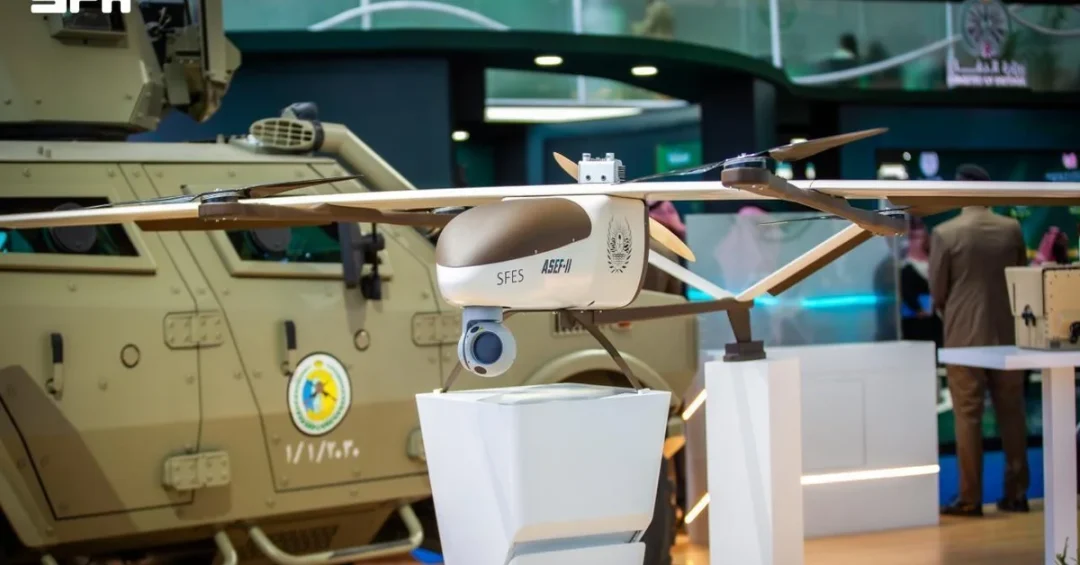
Saudi Arabia’s Ministry of Interior has reinforced its role as a key enabler of the Kingdom’s military industry localization drive, supporting a strategic initiative to localize more than 50 percent of military spending by 2030 while enhancing national readiness and strategic autonomy. The announcement, released via official Saudi channels, underscores the ministry’s contribution to Saudi Vision 2030 and its growing footprint across defense manufacturing, security technology, and human capital development.
The Ministry of Interior’s efforts are part of a broader national push to build a self-reliant defense industrial base, reduce dependence on foreign procurement, and channel military spending into the domestic economy. By establishing an executive office dedicated to military industry localization, the ministry has moved from policy ambition to concrete contracts, partnerships with national companies, and award-winning implementation. Why does this matter to international observers? Because it signals a structural shift in how the Kingdom approaches security procurement, blending operational readiness with economic diversification.
Context and Background
How did Saudi Arabia arrive at this point in its defense industrialization journey? The answer lies in the architecture of Vision 2030, which set a clear target of localizing more than half of military spending by the end of the decade. The Ministry of Interior, as one of the military and security entities supporting and enabling this localization, established an executive office for military industry localization to accelerate progress toward the objectives of Saudi Vision 2030, the National Transformation Program (NTP), and the National Industrial Development and Logistics Program (NIDLP). These programs are designed to align spending on military and security equipment and systems with domestic industrial growth.
The ministry’s localization agenda focuses on procurement of security and military equipment, as well as maintenance and repair services, with the explicit goal of contributing to Saudi Arabia’s economy and gross domestic product. This is not merely a procurement exercise; it is an economic strategy that seeks to convert government spending into local jobs, technology transfer, and industrial capability. The ministry’s Military Industry Localization Office has worked across three main areas—strategic, legislative and regulatory, and technical—to develop a detailed strategy and plan for localizing procurement across several fields.
Over the past years, these efforts have resulted in contracts with national companies to manufacture, supply, and sustain military and security systems. The scope is broad: armored vehicles, maritime and aerial platforms, command and control systems, security surveillance systems, weapons and ammunition, uniforms, security equipment, and unmanned aircraft systems. These systems have become essential components of military and security forces, demonstrating that localization is already delivering operational outputs, not just planning documents. What does this mean for the Kingdom’s industrial ecosystem? It means a growing base of local suppliers with the capability to serve both security needs and broader economic diversification.
Key Details
What concrete achievements underpin the ministry’s localization record? In 2025, at the General Authority for Military Industries’ (GAMI) annual meeting, the Ministry of Interior received two Military Industry Localization Excellence Awards: one for Excellence in Planning among Military and Security Entities and another for Excellence in Implementation among Military and Security Entities. The ministry became the first military and security entity to receive both awards in these categories, a distinction that highlights the breadth of its progress from strategy to execution. These awards are not symbolic trinkets; they reflect measurable performance in a national program that is central to Vision 2030.
In 2026, the ministry also received a military industry localization award in recognition of its distinguished role in supporting and qualifying a local security technology product. This included adopting the product and contributing to its research and development stages through to the final product. This is a significant detail: the ministry is not just buying local goods but actively participating in the R&D lifecycle, helping local firms mature their offerings and achieve qualification standards. Why is R&D involvement important? Because it builds lasting intellectual and industrial capability, rather than a one-off procurement relationship.
The ministry has continued to strengthen its security capabilities through defense technologies, security and safety systems, environmental sustainability, crowd management, and developing Saudi human resources. These efforts emphasize local content while keeping pace with the latest technological innovations in artificial intelligence, security vehicles, fixed-wing aircraft, advanced weapons, and robotics. The aim is to ensure the security and safety of everyone in Saudi Arabia while reinforcing the Kingdom’s standing and leadership in security indicators at the local, regional, and global levels. The mention of artificial intelligence and robotics is notable, as it places the ministry’s localization agenda at the intersection of defense and advanced technology, two areas where Vision 2030 seeks global leadership.
International and Regional Impact
How does Saudi Arabia’s military localization agenda reverberate beyond its borders? For regional partners, the Kingdom’s progress signals a more capable and self-reliant security actor, one that can contribute to stability while reducing the logistical vulnerabilities associated with heavy reliance on foreign supply chains. For international defense firms, the localization drive opens opportunities for joint ventures, technology transfer, and co-development, provided they engage with the Kingdom’s industrial framework. The Ministry of Interior’s contracts with national companies demonstrate that the localization strategy is creating a domestic supplier base that could, over time, participate in regional markets and global supply chains.
What does this mean for the wider geopolitical picture? Saudi Arabia’s emphasis on strategic autonomy in defense aligns with a broader trend among middle powers seeking to reduce dependency and build sovereign capabilities. The Kingdom’s approach—anchored in Vision 2030 and executed through programs like NIDLP—offers a model of defense industrialization tied to economic diversification. The Ministry of Interior’s role in this effort, from armored vehicles to command and control systems, shows that localization is not confined to high-end platforms but extends to the full spectrum of security equipment and services. This breadth is what makes the Saudi model distinctive and potentially influential.
Economic and Strategic Significance
Why should economists and strategists pay attention to security procurement localization? Because military spending represents a substantial share of government expenditure, and redirecting even a portion of it into the domestic economy can generate multiplier effects across manufacturing, technology, and services. The ministry’s localization of maintenance and repair services, for example, creates recurring domestic economic activity rather than one-time imports. Contracts for uniforms, security equipment, and unmanned aircraft systems support local firms and jobs. Over time, the accumulation of such contracts builds industrial depth and reduces foreign exchange outflows.
The strategic significance is equally important. Localizing command and control systems, surveillance systems, and weapons and ammunition strengthens supply chain resilience and operational readiness. The ministry’s focus on environmental sustainability and crowd management also reflects a holistic approach to security that addresses modern challenges, from large-scale public events to climate-related risks. Does this make Saudi Arabia a more attractive partner for security cooperation? It does, because partners value counterparts with indigenous capability and reliable supply chains. The ministry’s efforts therefore contribute both to national economic goals and to the Kingdom’s standing as a security leader.
Vision 2030 Alignment
How does the Ministry of Interior’s work connect to the broader Vision 2030 narrative? Vision 2030 seeks to diversify the economy, build a sovereign industrial base, and enhance government efficiency. The military industry localization initiative directly supports these goals by targeting more than 50 percent localization of military spending, developing local human resources, and fostering technology transfer in areas like artificial intelligence and robotics. The ministry’s awards from GAMI and its R&D support for a local security technology product are concrete milestones in this journey, demonstrating that Vision 2030 is translating into tangible industrial outcomes.
What comes next? The ministry’s continued focus on local content, advanced technology adoption, and human capital development suggests a deepening trajectory. As Saudi Arabia reinforces its leadership in security indicators at the local, regional, and global levels, the Ministry of Interior’s role as an enabler of military industry localization will remain central to the Kingdom’s long-term vision. For international audiences, the message is clear: Saudi Arabia is building a defense industrial ecosystem that is integrated, innovative, and aligned with its strategic ambitions—a development with implications for security, trade, and regional stability for years to come.
20 Questions
Q1. What is the Ministry of Interior’s role in Saudi Arabia’s military industry localization?
A1. The Ministry of Interior supports the national initiative to localize military industries, established an executive office for localization, and has signed contracts with national companies to manufacture and sustain security and military systems.
Q2. What percentage of military spending does Saudi Arabia aim to localize by 2030?
A2. The initiative seeks to localize more than 50 percent of military spending by 2030, enhancing military readiness and strategic autonomy while contributing to the national economy.
Q3. Which national programs guide the ministry’s localization efforts?
A3. The efforts align with Saudi Vision 2030, the National Transformation Program (NTP), and the National Industrial Development and Logistics Program (NIDLP).
Q4. What are the three main areas of the ministry’s localization work?
A4. The ministry works across strategic, legislative and regulatory, and technical areas to develop and implement its localization strategy.
Q5. What types of equipment have been localized through contracts with national companies?
A5. Contracts cover armored vehicles, maritime and aerial platforms, command and control systems, security surveillance systems, weapons and ammunition, uniforms, security equipment, and unmanned aircraft systems.
Q6. What awards did the Ministry of Interior receive in 2025?
A6. It received two Military Industry Localization Excellence Awards from the General Authority for Military Industries (GAMI): one for Excellence in Planning and one for Excellence in Implementation among military and security entities.
Q7. Why was the 2025 award achievement significant?
A7. The ministry became the first military and security entity to receive both awards in these categories, highlighting its comprehensive progress from planning to execution.
Q8. What recognition did the ministry receive in 2026?
A8. It received a military industry localization award for supporting and qualifying a local security technology product, including adopting the product and contributing to its research and development stages.
Q9. How does the ministry support local research and development?
A9. The ministry adopts local security technology products and contributes to their R&D stages through to the final product, helping local firms mature their offerings and meet qualification standards.
Q10. What technologies is the ministry focusing on for future capabilities?
A10. It is focusing on artificial intelligence, security vehicles, fixed-wing aircraft, advanced weapons, and robotics, while emphasizing local content.
Q11. How does localization contribute to Saudi Arabia’s GDP?
A11. By redirecting spending on military and security equipment, maintenance, and repair services to domestic companies, localization supports local industry, jobs, and economic growth, contributing to GDP.
Q12. What is the significance of localizing maintenance and repair services?
A12. It creates recurring domestic economic activity and builds industrial depth, rather than relying on one-time foreign imports.
Q13. How does the ministry’s work enhance Saudi Arabia’s security indicators?
A13. Through defense technologies, security and safety systems, crowd management, and human resource development, the ministry strengthens security capabilities and reinforces the Kingdom’s leadership in security indicators locally, regionally, and globally.
Q14. What role does human resource development play in the localization strategy?
A14. Developing Saudi human resources is a core focus, ensuring that localization builds national skills and capabilities alongside industrial capacity.
Q15. How does the ministry address environmental sustainability?
A15. Environmental sustainability is one of the areas the ministry focuses on as part of its broader efforts to strengthen security capabilities and keep pace with modern challenges.
Q16. What is the General Authority for Military Industries (GAMI)?
A16. GAMI is the Saudi authority that regulates and supports the military industries sector and recognizes excellence among military and security entities through its annual awards.
Q17. How do international defense firms benefit from Saudi localization?
A17. Localization opens opportunities for joint ventures, technology transfer, and co-development, provided firms engage with the Kingdom’s industrial framework and contribute to domestic capability building.
Q18. What does the ministry’s localization agenda mean for regional security?
A18. A more self-reliant Saudi security sector can contribute to regional stability and reduce logistical vulnerabilities associated with reliance on foreign supply chains.
Q19. What is the long-term vision behind military industry localization?
A19. The vision is to build a sovereign, integrated defense industrial ecosystem that supports economic diversification, technology innovation, and strategic autonomy in line with Vision 2030.
Q20. What comes next for the Ministry of Interior’s localization efforts?
A20. The ministry is expected to deepen its focus on local content, advanced technology adoption, and human capital development, reinforcing Saudi Arabia’s leadership in security indicators and its Vision 2030 objectives.
Reader Feedback
We value your thoughts. Please share your feedback on this article.
Your feedback helps us improve our coverage.