


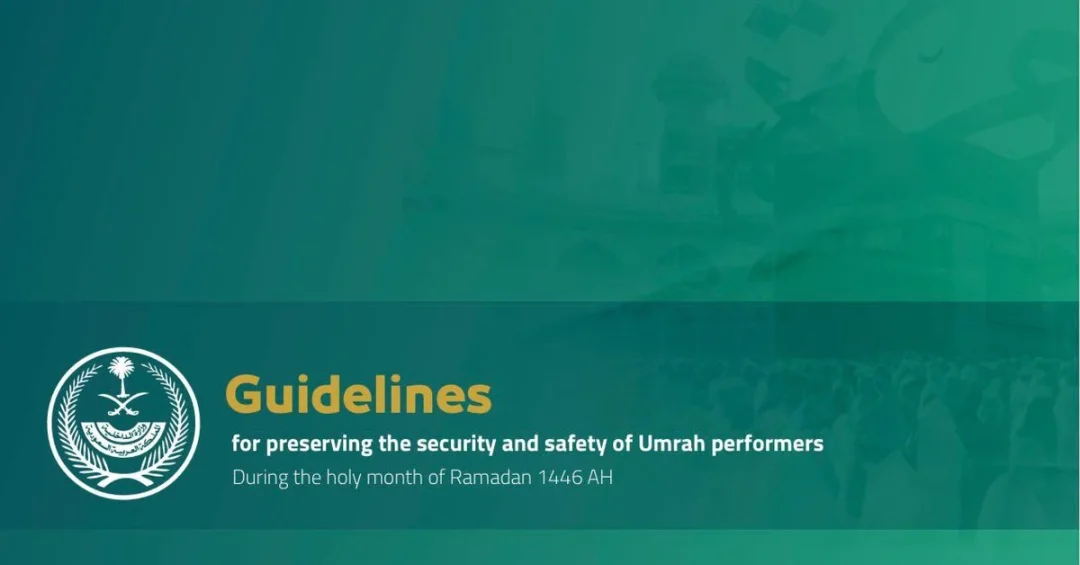
Saudi Arabia’s Ministry of Interior has released a comprehensive set of digital guidelines to ensure the safety, security, and comfort of Umrah performers and worshippers at the Grand Mosque during the holy month of Ramadan, as announced by the Saudi Press Agency. The guidance, issued from Riyadh, covers every stage of the pilgrim journey — from arrival and transport to Tawaf and prayer — reflecting the Kingdom’s commitment to facilitating worship with tranquility during the busiest period of the Islamic calendar.
Have you ever wondered how a single government directive can shape the experience of millions of worshippers arriving in Makkah from every corner of the world? The answer lies in the scale and precision of Saudi Arabia’s pilgrimage management system, which each year coordinates the movement of vast crowds through the holy sites. Ramadan 2025 is expected to bring record numbers of Umrah performers, and the Ministry of Interior’s guidelines are designed to keep that flow smooth, safe, and dignified. The guidelines arrive as part of a broader national effort — spanning the Ministry of Hajj and Umrah, the General Authority for the Care of the Grand Mosque and the Prophet’s Mosque, and security agencies — to place the comfort of guests of God at the center of every operational decision.
Context and Background
Why does Ramadan require such detailed planning from Saudi authorities? Because the final ten nights of the month, especially, draw intense concentrations of worshippers to the Grand Mosque for Umrah, Taraweeh prayers, and Qiyam al-Layl. The Ministry of Interior’s guidelines are therefore not a routine announcement but a carefully timed operational instrument, released ahead of the month’s peak periods so that pilgrims can plan their journeys with confidence.
The guidance builds on years of accumulated experience in crowd management at the Two Holy Mosques. Saudi Arabia has invested heavily in expanding the capacity of the Grand Mosque, upgrading its courtyards, and digitizing services through platforms such as the Nusuk app and the Umrah permit system. The Ministry of Interior’s latest release complements these efforts by focusing on movement: how worshippers reach the Grand Mosque, where they park, which routes they take, and how they navigate the courtyards once inside.
Officials have consistently emphasized that the safety of pilgrims is a top national priority, rooted in the leadership’s directives to serve the guests of God with the highest standards. The guidelines reflect that mandate in practical terms, translating strategic intent into clear, accessible instructions for individuals and families alike.
Key Details of the Guidelines
What exactly do the new guidelines cover? According to the Saudi Press Agency, they include detailed instructions on reaching the Grand Mosque for Umrah or prayer using public transport buses, the Haramain High-Speed Railway, private vehicles, taxis, and shuttle buses. This multi-modal approach is designed to reduce congestion on roads leading to the holy site and to give pilgrims flexible, reliable options regardless of their point of arrival.
The guide also provides information about parking lots within and outside Makkah, helping drivers identify designated areas and avoid unauthorized stopping that could disrupt traffic flow. For those using the Haramain High-Speed Railway, which links Makkah with Jeddah and Madinah, the guidance reinforces the railway’s role as a fast, comfortable alternative to road travel during peak season.
Inside the Grand Mosque, the digital guidelines outline informative messages indicating available areas for Tawaf — the circumambulation of the Kaaba — and the pathways leading to them. Directional signs have been placed at the entrances of the Grand Mosque and throughout its courtyards, ensuring that worshippers can orient themselves quickly even amid large crowds. Visitors can also find various tips to help ensure their safety and security while performing Umrah and prayers with ease. The full guide is accessible via the link released by the Ministry: https://linksshortcut.com/qzdmE.
Transportation and Crowd Management
How do millions of worshippers move through Makkah without chaos? The answer lies in a layered transportation strategy that the Ministry of Interior’s guidelines make transparent to the public. Public transport buses operate on dedicated routes, shuttle buses connect parking areas to the Grand Mosque, and taxis provide on-demand service. The Haramain High-Speed Railway offers a high-capacity link for domestic and international visitors arriving via Jeddah.
Each mode is integrated into a single operational picture managed by security and traffic authorities. Pilgrims are encouraged to use public transport where possible, reducing the number of private vehicles in central Makkah and easing pressure on parking infrastructure. The guidelines’ emphasis on parking lots within and outside the city reflects a deliberate park-and-ride philosophy: leave your vehicle at the periphery, continue by shuttle or bus, and arrive at the Grand Mosque refreshed and ready for worship.
Directional signage inside the Grand Mosque serves a similar purpose. By marking Tawaf areas and access pathways clearly, the authorities reduce confusion, prevent bottlenecks, and allow worshippers to focus on their rituals. These measures are especially critical during Ramadan nights, when the courtyards fill rapidly after Iftar and the flow of people must be managed with precision.
International and Regional Impact
Why should the international community pay attention to these guidelines? Because the Grand Mosque hosts pilgrims from virtually every country, and the quality of their experience shapes global perceptions of Saudi Arabia’s capacity to host the Islamic world. Smooth, safe Ramadan operations reinforce the Kingdom’s standing as the custodian of the Two Holy Mosques and as a reliable partner in international pilgrimage management.
Regional airlines, travel agencies, and tour operators also depend on predictable conditions in Makkah. Clear guidelines on transport and parking help these stakeholders plan group movements, advise clients accurately, and avoid disruptions that could affect itineraries across the Gulf and beyond. For neighboring countries whose citizens perform Umrah frequently, the guidance is a practical resource that supports cross-border travel during a high-demand season.
Diplomatic and consular missions likewise benefit, as they can share official Saudi information with their nationals, reducing the risk of incidents and enhancing the overall pilgrim experience. In this sense, the Ministry of Interior’s release is not only a domestic safety measure but a contribution to international public welfare during a sacred period.
Economic and Strategic Significance
What does safe, well-organized Umrah mean for Saudi Arabia’s economy? It means stronger demand for hospitality, transport, retail, and religious services, all of which benefit from the confidence that pilgrims feel when they know their journey is well managed. Ramadan Umrah is a major seasonal economic driver, and the Ministry of Interior’s guidelines help protect that momentum by minimizing accidents, delays, and overcrowding.
Strategically, the guidelines support the broader expansion of Umrah participation under Vision 2030, which aims to raise the number of pilgrims to unprecedented levels. Reliable infrastructure and clear public information are essential to that goal: they allow the Kingdom to welcome more guests without compromising safety or quality of service. The digital nature of the guide also aligns with the national push toward e-government and smart services.
For businesses in Makkah and Jeddah, the predictability offered by official guidance translates into better staffing decisions, more efficient logistics, and improved customer satisfaction. For investors, it signals that Saudi Arabia continues to professionalize its pilgrimage sector, a key pillar of the non-oil economy.
Vision 2030 Alignment
How does a set of safety guidelines connect to a national transformation plan? Vision 2030 places the service of pilgrims among its central objectives, recognizing the Two Holy Mosques as a source of spiritual and economic strength. The Ministry of Interior’s Ramadan guidelines advance that vision by applying modern planning, digital communication, and integrated transport to one of the world’s largest recurring gatherings.
The Kingdom’s long-term goal is to enable as many Muslims as possible to perform Umrah and Hajj with dignity and ease. Every improvement in crowd management, signage, and transport contributes to that mission. As Saudi Arabia continues to invest in the holy sites and in the systems that support them, the Ramadan guidelines stand as a practical example of how Vision 2030 is being realized on the ground — night after night, prayer after prayer.
For pilgrims preparing to travel this Ramadan, the message is clear: official guidance is available, transport options are plentiful, and the Kingdom is ready to welcome the guests of God with safety, comfort, and respect. The Ministry of Interior’s release is a reminder that behind every smooth Tawaf and every peaceful prayer lies a national effort dedicated to the service of worshippers.
20 Questions
Q1. What did the Ministry of Interior release for Ramadan?
A1. The Ministry of Interior released comprehensive guidelines to ensure the safety and security of Umrah performers and worshippers at the Grand Mosque during Ramadan, helping them perform their rituals with tranquility and comfort.
Q2. When and where was the announcement made?
A2. The announcement was made in Riyadh on March 09, 2025, and was carried by the Saudi Press Agency, the Kingdom’s official news authority.
Q3. What transportation options do the guidelines cover?
A3. The guidelines cover public transport buses, the Haramain High-Speed Railway, private vehicles, taxis, and shuttle buses, giving pilgrims multiple reliable ways to reach the Grand Mosque.
Q4. Why is parking information included in the guide?
A4. Parking information helps drivers find designated lots within and outside Makkah, reducing congestion and preventing unauthorized stopping that could disrupt traffic flow around the holy site.
Q5. How do the guidelines help worshippers inside the Grand Mosque?
A5. They outline informative messages showing available areas for Tawaf and the pathways leading to them, with directional signs placed at entrances and throughout the courtyards.
Q6. What is Tawaf?
A6. Tawaf is the circumambulation of the Kaaba, a central ritual of Umrah and Hajj in which worshippers walk around the Kaaba seven times in a counterclockwise direction.
Q7. Where can pilgrims access the full guide?
A7. The full guide is available via the link released by the Ministry of Interior: https://linksshortcut.com/qzdmE, which provides detailed digital instructions and tips.
Q8. Why is Ramadan a particularly busy time for Umrah?
A8. Ramadan, especially the final ten nights, draws intense concentrations of worshippers for Umrah, Taraweeh prayers, and Qiyam al-Layl, making crowd management and transport planning essential.
Q9. What role does the Haramain High-Speed Railway play?
A9. The Haramain High-Speed Railway links Makkah with Jeddah and Madinah, offering a fast, comfortable, high-capacity alternative to road travel during peak pilgrimage seasons.
Q10. How do the guidelines reflect Saudi leadership’s priorities?
A10. They reflect the leadership’s directive to serve the guests of God with the highest standards, placing pilgrim safety, comfort, and dignity at the center of national operations.
Q11. What other Saudi agencies support Ramadan pilgrimage operations?
A11. The Ministry of Hajj and Umrah, the General Authority for the Care of the Grand Mosque and the Prophet’s Mosque, and security agencies all coordinate to support worshippers.
Q12. How do digital services enhance the pilgrim experience?
A12. Digital platforms such as Nusuk and the Umrah permit system allow pilgrims to plan, book, and navigate services efficiently, complementing the Ministry of Interior’s transport and safety guidance.
Q13. What are the benefits for international pilgrims?
A13. International pilgrims gain clear, official information on transport, parking, and Tawaf areas, helping them plan their journey and perform rituals with confidence and ease.
Q14. How does the guidance support regional travel operators?
A14. Travel agencies and tour operators can use the guidelines to plan group movements, advise clients accurately, and avoid disruptions during the high-demand Ramadan season.
Q15. What economic sectors benefit from organized Umrah?
A15. Hospitality, transport, retail, and religious services all benefit from the confidence pilgrims feel when their journey is well managed and safe.
Q16. How does the release align with Vision 2030?
A16. Vision 2030 aims to enable more Muslims to perform Umrah and Hajj with dignity, and the guidelines advance that goal through modern planning, digital communication, and integrated transport.
Q17. What safety tips are included for worshippers?
A17. The guide includes various tips to help ensure safety and security while performing Umrah and prayers, covering movement, orientation, and use of designated areas and pathways.
Q18. Why is signage important in the Grand Mosque?
A18. Directional signs at entrances and throughout the courtyards help worshippers orient themselves quickly, reducing confusion and preventing bottlenecks during peak times.
Q19. How does the Ministry of Interior coordinate with traffic authorities?
A19. The guidelines integrate transport modes into a single operational picture managed by security and traffic authorities, ensuring smooth flow and rapid response when needed.
Q20. What is the overall message of the guidelines?
A20. The message is that Saudi Arabia is fully prepared to welcome the guests of God this Ramadan with safety, comfort, and respect, supported by official guidance and modern infrastructure.
Reader Feedback
We value your thoughts. Please share your feedback on this article.
Your feedback helps us improve our coverage.
Related articles
 Saudi Ambassador Hosts Ramadan Iftar Banquet in Algiers
 4.87M Iftar Meals Served at Two Holy Mosques in Ramadan Week
 King Salman Arrives in Jeddah from Riyadh
 Grand Mosque Cleaned in 35 Minutes with Minimal Disruption
 Saudi Ambassador Hosts Iftar Banquet in Tehran
 Europe Backs Arab Plan for Gaza Reconstruction